
“How to stretch out jeans” is the denim drama nobody saw coming—because who knew a little fabric rebellion could cost brands millions?
For workwear manufacturers, this isn’t just a bad day—it’s a profit-apocalypse. But here’s the kicker: you don’t need a magic wand (or a new fabric). Just some denim whisperer tricks. Think ice-and-stretch hacks for instant relief, or pre-washed weaves that say “I’ll adapt, darling” to every body type.
Below, we unpack methods balancing cost and scalability. This is your playbook for turning denim disasters into “Why didn’t I think of that?” wins. Let’s get stretchy.
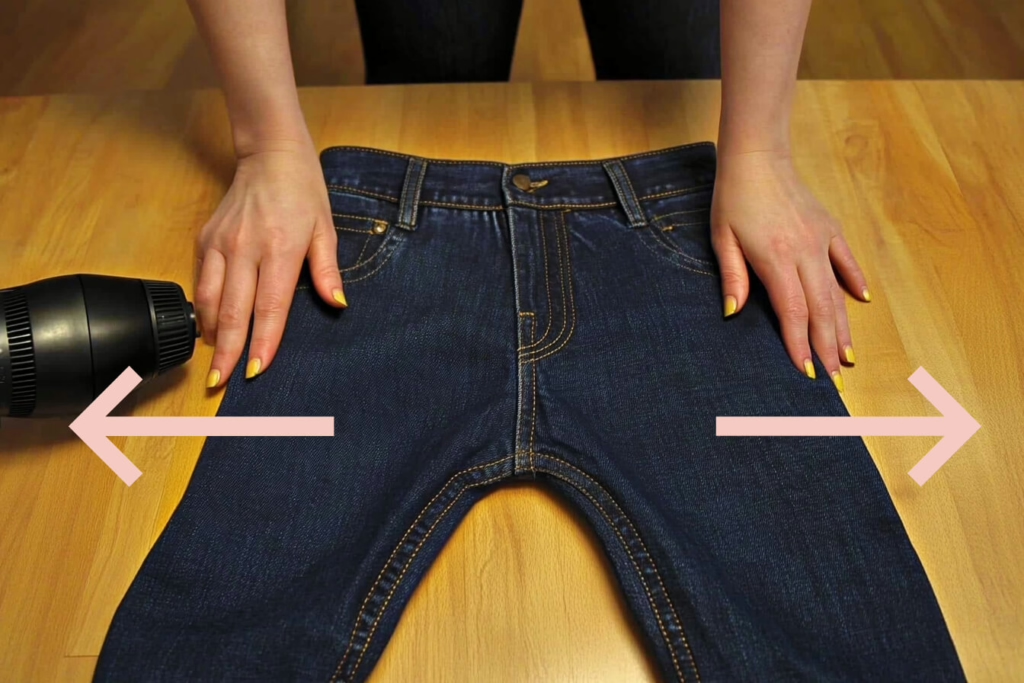
Table of Contents
Preview Table
| Method | How It Works | Pros | Cons | Best For |
|---|---|---|---|---|
| Wet Stretching | Soak jeans in water (hot/cold), wear while damp, and air-dry. | – Gentle on fabric – Even stretching | – Time-consuming – Risk of overstretching | Breaking in rigid denim or achieving subtle overall expansion. |
| Heat-Based Stretching | Apply heat (steam, hairdryer, iron) to loosen fibers; stretch while warm. | – Quick results – Targets specific areas | – Risk of scorching – Temporary for some fabrics | Spot-stretching tight knees/hips or reviving shrunken denim. |
| Movement-Based | Perform squats, lunges, or stretches while wearing jeans to loosen fibers. | – Free – No tools required | – Limited stretch – Fatigue-inducing | Minor adjustments (e.g., thigh/seat areas) during daily wear. |
| Professional Techniques | Industrial steaming, mechanical stretching machines, or tailor alterations. | – Precise, lasting results – Bulk-friendly | – High cost – Requires equipment/expertise | Workwear brands needing consistent, large-scale stretching or custom fits. |
Understanding Denim Stretch
It’s simple – it depends on what the jeans are made of and how they’re woven.
▶ Understanding Denim Stretch
Traditional denim is made from 100% cotton and has minimal stretch. In contrast, stretch denim contains 1-3% elastane or spandex, which provides varying levels of stretch:
- 1-2% elastane: Offers a slight stretch, ideal for those who want a bit of flexibility without compromising the classic denim feel.
- 2-3% elastane: Provides moderate stretch, suitable for everyday wear as it balances comfort and structure.
- 3-4% elastane: Delivers high stretch, perfect for active lifestyles or roles that require a lot of movement.
- 4%+ elastane: Offers super stretch, great for fashion-forward designs or specific work environments where flexibility is key.
Stretch denim keeps 97-99% of its original shape after stretching. This is due to the elastic recovery of elastane fibers. The jeans will stretch to fit your body. When you take them off, they snap back into shape. This keeps their fit over time.
▶ Factors Affecting Stretch
- Fiber content: The blend of cotton and synthetic fibers impacts stretch. Cotton stretches naturally but goes back to its original shape after washing. In contrast, synthetic blends like polyester make the fabric more durable and help it keep its shape better.
- Weave tightness: Tighter weaves reduce stretch, while looser weaves allow for more flexibility. A looser weave can make the fabric feel softer and more comfortable, but it may also reduce the overall durability.
- Fabric weight: Lighter denim tends to stretch more than heavier denim. This is because lighter denim often has a looser weave and less dense fabric, making it more prone to stretching.
- Wash treatments: Some wash treatments can affect the fabric’s stretchiness. For example, certain finishes can enhance the fabric’s elasticity, while others might reduce it.
▶ Popular Stretch Denim Blends
Common blends include:
- 98% cotton, 2% elastane: Offers a slight stretch while maintaining a classic denim feel.
- 92% cotton, 6% polyester, 2% elastane: Provides moderate stretch with added durability from the polyester.
- 85% cotton, 13% polyester, 2% elastane: Offers a balance of stretch and durability, suitable for work environments where both comfort and resilience are needed.
Four-way stretch denim provides great flexibility. It uses elastane fibers in both the warp and weft. This allows for stretch in both horizontal and vertical directions. This type of denim is ideal for active wear or workwear that requires a full range of motion.
Suggested Reading:
How To Maintain Leather Work Gloves? Extend Glove Life
How To Measure Glove Size: The Definitive Guide for a Perfect Fit
How to Choose the Best Waterproof Work Clothes for Your Team
How to Stretch Out Jeans: Wet Stretching Techniques
★ Effective Wet Stretching Methods
- Spray and Stretch: Use a spray bottle to dampen tight areas with lukewarm water. Gently pull and stretch the fabric while it’s damp, focusing on problem areas like the waistband, thighs, or calves. This method is quick and targeted.
- Bathtub Soak: Wear your jeans and sit in a lukewarm bath for 15-30 minutes. Move around to ensure the water fully saturates the fabric. After soaking, continue wearing the wet jeans for about 30 minutes while doing stretches and movements. This method helps the jeans mold to your body.
- Spot Soaking: Soak only specific tight areas in warm water for 10-15 minutes. Then wear the jeans and move around to stretch those damp sections. This technique is ideal for targeting specific areas that need extra attention.
- Wet and Wear: Dampen the entire pair of jeans, put them on, and perform activities like squats, lunges, and walking for 30-60 minutes as they dry. This method helps the jeans conform to your body naturally.
★ Key Tips for Wet Stretching
First, always use lukewarm water, not hot, to avoid damaging the fabric. This gentle method keeps the denim intact and lets it stretch well.
Next, stretch the fabric while it’s damp, not soaking wet, to prevent excessive strain that could lead to tears or weakening of the material. Moving around while wearing the damp jeans helps encourage stretching in wear areas, ensuring a comfortable fit.
Finally, air dry the jeans after stretching to maintain the new shape and prevent shrinkage, which can undo all your hard work.
How to Stretch Out Jeans: Heat-Based Stretching Methods
★ Effective Heat-Based Methods
- Warm Water Soaking: Submerge your jeans in hot water for 15-30 minutes, then put them on while damp to mold them to your body. This method helps the jeans conform to your shape naturally.
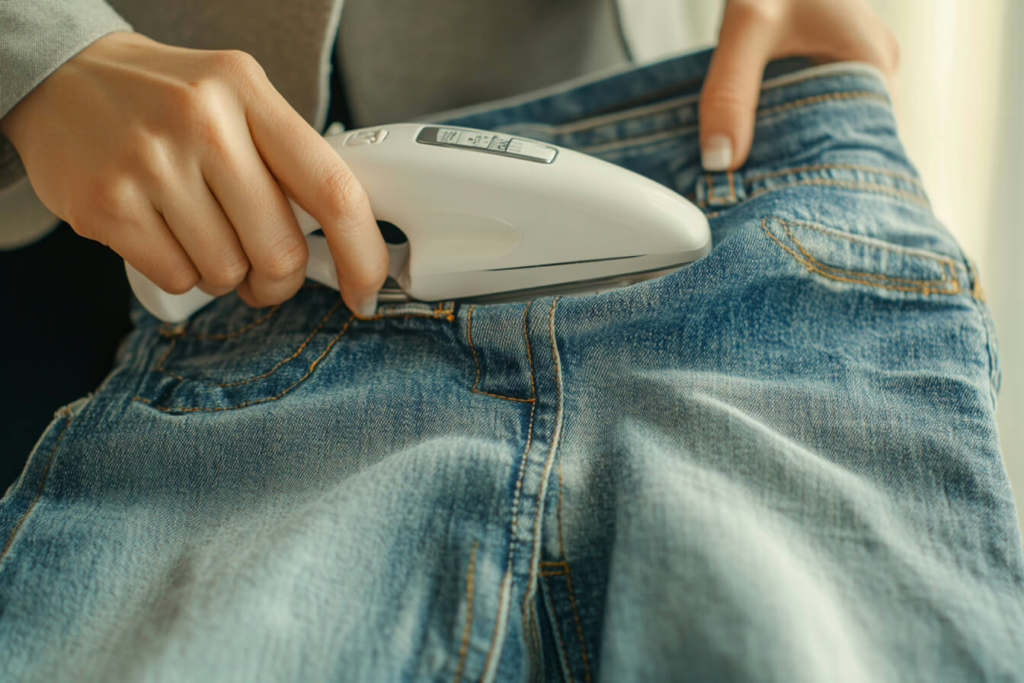
- Hairdryer or Iron: Use a hairdryer or iron on low-medium heat to target specific tight areas. Immediately pull the fabric to stretch while it’s warm. Be sure to keep the heat source moving and use a cloth barrier with irons to prevent damage.
- Steam: Steam can soften denim fibers, making them more pliable. Use a garment steamer or hang your jeans in a steamy bathroom, then stretch by hand. This method is gentle and effective for delicate fabrics.
- Bathtub Method: Wear your jeans in a warm bath for 10-15 minutes, then move and stretch while wearing them as they dry naturally. This full-body stretch helps ensure a comfortable fit.
★ Tips for Using Heat
Always keep heat sources moving to prevent scorching or weakening the denim. When using an iron, place a cloth barrier between the iron and the fabric to prevent direct heat contact, which can cause damage. Additionally, avoid using tumble dryers, as the strong heat can cause shrinkage and undo your stretching efforts. If you keep these precautions in mind, you can use heat safely. This way, you’ll get a comfy fit without damaging your jeans.
Expert Opinion: After heat-stretching, hang jeans upside down by the cuffs while air-drying—gravity gently elongates fibers for a longer-lasting, even stretch. Pair this with a dab of fabric conditioner during soaking to relax stubborn denim without harsh heat!
Pankaj S., Custom Uniform Solutions Uniform Manufacturer
How to Stretch Out Jeans: Movement-Based Stretching
★ Effective Movement-Based Techniques
- Squats and Lunges: Perform 10-15 deep squats and lunges while wearing your jeans to stretch the fabric in the thighs, seat, and knees. Exaggerate your movements to really work the denim.
- High Kicks and Leg Swings: Do 20-30 high kicks and leg swings to stretch the jeans in the hip and thigh areas. Swing your legs forward, backward, and side-to-side to maximize the stretch.
- Knee Bends: Bend your knees deeply 15-20 times to stretch out the knee area. Hold each bend for 5-10 seconds to ensure a thorough stretch.
- Hip Circles: Make large circular motions with your hips 10-15 times in each direction to stretch the waist and hip areas.
- Toe Touches: Bend over and touch your toes 10-15 times, holding for 5-10 seconds each time. This stretches the back and seat areas effectively.
- Walking Lunges: Do 10-15 walking lunges to stretch the jeans dynamically through natural movements.
- Jumping Jacks: Perform 20-30 jumping jacks to stretch the jeans through a full range of motion.
★ Tips for Best Results
For the best results with movement-based stretching, do these exercises for 10-15 minutes in your jeans. Repeat this routine daily for 3-5 days to gradually stretch the denim to your body shape. Keep stretching your jeans regularly. This helps them fit your body better over time. A comfortable fit is important.
How to Stretch Out Jeans: Professional and Specialized Techniques

- Professional Techniques for Precision
a. Tailoring Services: Professional tailors can add fabric panels or darts to increase the size of jeans in specific areas. This method is precise but more expensive, costing around $20-$50 depending on the alteration.
b. Industrial Stretching Machines: Denim specialists use machines that can uniformly stretch jeans up to 1-2 sizes larger. This process takes about 24-48 hours and costs $30-$60 on average.
c. Chemical Treatments: Specialized treatments containing enzymes or softeners can relax fibers and increase flexibility. These are often used by manufacturers but can be applied aftermarket by professionals.
d. Steam Stretching: Professional-grade steamers relax denim fibers. Jeans are steamed for 10-15 minutes, then stretched while damp and allowed to air dry. This method can increase size by up to 1 inch in targeted areas.
e. Specialized Stretching Tools: Tools like the “Denim Doctor” can stretch waistbands by up to 3 inches. These tools apply consistent pressure over 24-48 hours and cost $20-$40.
f. Custom Fitting Services: Premium denim brands offer custom stretching and fitting services, where jeans are professionally adjusted to your exact measurements over multiple fittings. This service typically costs $100-$200.
- Professional Services for Enhanced Results
Denim Therapy in New York, Denim Surgeon in Los Angeles, and Jean Shop online offer expert jean stretching services. These services give better and clearer results than at-home methods. However, they cost more and might need you to send your jeans to a pro.
Conclusion
Mastering how to stretch out jeans isn’t just a hack—it’s a strategic necessity for brands balancing comfort, durability, and sustainability.
At LeelineWork, we turn these insights into reality. Our custom uniforms (including custom corporate uniforms, custom hospitality uniforms, and custom safety vests) marry innovation with practicality. Ensure every garment bends without breaking—literally and figuratively. Get in touch with us today!
FAQs About How to Stretch Out Jeans
1. Do stretched jeans lose their shape faster?
Not if blended with recovery fibers (e.g., Lycra). For 100% cotton, suggest periodic re-stretching or avoid over-washing.
2. Can I stretch jeans with embellishments (embroidery, patches)?
Proceed cautiously. Steam around (not directly on) decorations to prevent damage. Test on samples first.
3. Are there eco-friendly stretching methods?
Choose water-saving methods: steam instead of soaking. Also, use biodegradable fabric softeners when washing.
4. How do I handle customer complaints about stretched jeans feeling “loose”?
Offer a sizing guide emphasizing stretch potential. For workwear, highlight adaptability as a feature: “Designed to move with you, not against you.”