


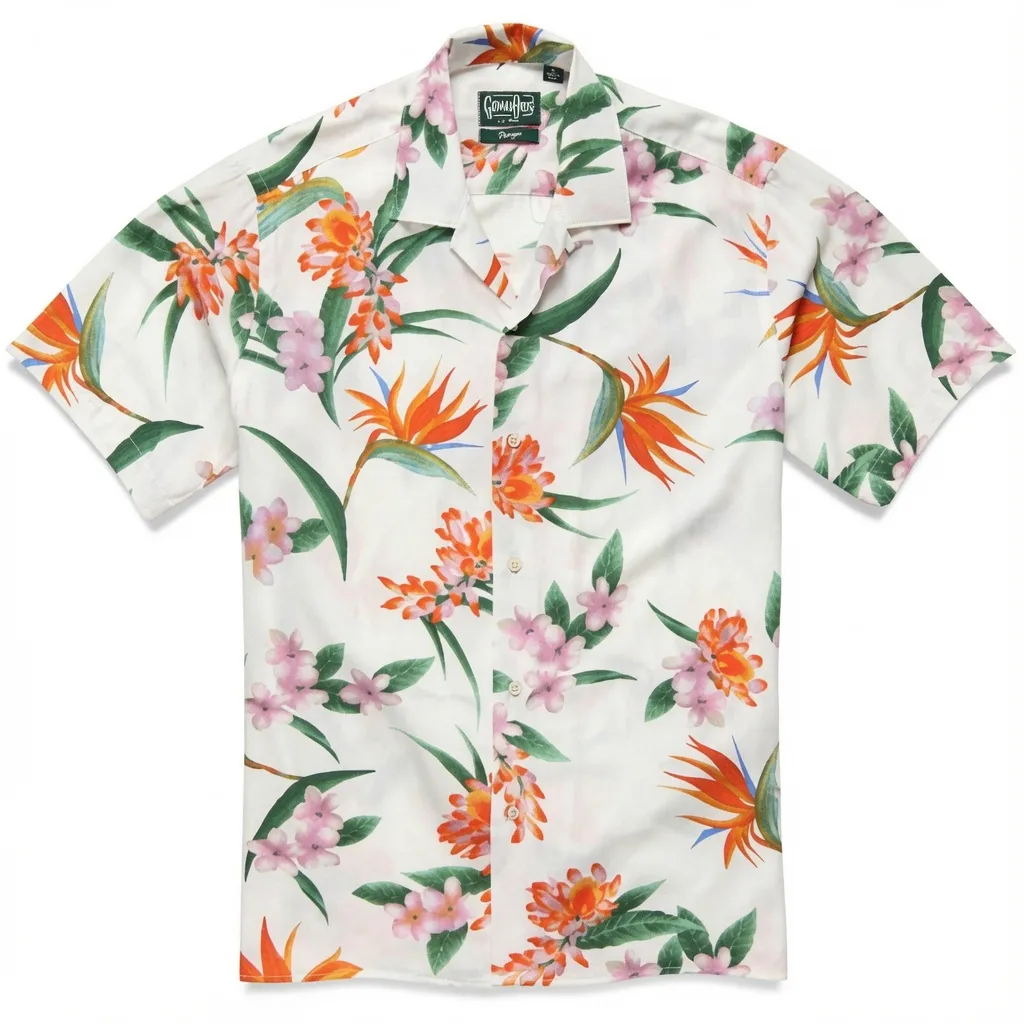




Nursing & Ward
Scrub sets, warm-up jackets, scrub caps
Hospital scrubs, lab coats, and clinical wear built by the factory — one Pantone-locked palette, spectrophotometer-verified ΔE ≤ 1.5 batch to batch, and a sealed pre-production sample every reorder measures against. A site opened a year later still matches the first.
A medical programme fails for a handful of predictable reasons. Each one has a line in a facilities budget — and a fix built into how we run a clinical account.
The newest clinic shows up a shade off the first one. Staff notice, infection-control leads notice, and the group stops reading as one system.
A "Medium" that fits on the sample and not on reorder. Fit complaints pile up across every location and staff quietly stop wearing the top.
Nursing, theatre, and support end up dressed the same, or the same role wears a different colour at each site. The colour code stops doing its job.
An infection-control or procurement audit lands unannounced and the OEKO-TEX and laundering certificates trace to nothing. You chase paperwork instead of passing the review.
A new clinic goes live before the scrubs land, so the team works in whatever fits. Every opening becomes a fire drill.
Cutting, sewing, embroidery, and packing all run under our own roof — no subcontracting between sites, so your navy cannot drift down a supply chain.
Mill certs, AATCC laundering reports, OEKO-TEX 100 certificates, and AQL 2.5 records filed by PO. Each certificate ties to the exact cartons it covers — audit-ready before the boxes arrive.
Your approved sample is sealed as the golden standard and your Pantone readings are archived per SKU. Every bulk lot is measured against them — so a reorder a year later still matches the original run.
A multi-site medical programme is not one garment. It is a role map — each role wearing the right family of garment in the right department colour, all cut to the same palette and the same size grade.
Scrub sets, warm-up jackets, scrub caps

Lab coats, anti-static and fluid-resistant wear

Surgical scrubs, caps, isolation gowns

Clinical scrubs, printed or logo wear

Polo and tunic sets, reception wear

Utility tunics, housekeeping sets, patient gowns
Every garment family — scrubs, lab coats, gowns, caps, tunics — is cut to the same palette and the same graded size chart, so a role moving between sites keeps the same fit and the same colour.
A clinical programme lives or dies on colour. Get the departments distinct and the group consistent, and every site reads as one organisation.
Matching an existing uniform? Send a swatch or a worn garment — we read the current colour and lock it, rather than starting from scratch.
Your reference swatch or existing garment is read by spectrophotometer and the formula is held at the dye house — not matched by eye at the cutting table.
Each new dye lot is verified against the stored reading before a yard is cut. ΔE ≤ 1.5 is tighter than most people can reliably see, so a later site sits beside your first without a shade gap.
One document maps roles to colours across every site. Add a clinic and its teams pull the same colour as the group — no local re-inventing.
Colour records are filed by style, so a reorder a year later matches the original reading — not a faded swatch.
An infection-control or procurement audit can arrive with no warning. Your programme ships with a documentation pack filed per purchase order — not a photocopied certificate that traces to nothing.

Fibre composition and weight for the roll the batch was cut from.
AATCC 61 colourfastness and AATCC 135 shrinkage on the finished garment, tested to your programme's wash cycle.
Harmful-substance screening on skin-contact fabric — the proof clinical procurement asks for first.
ISO 2859-1 sampling results from the pre-shipment audit, per lot.
Incoming roll inspection logged before the fabric reaches the cutting table.
Cartons labelled and packed by site, so your team unloads straight to the floor.
Reorders ship the same pack against the archived spec — no re-testing for the sake of it, and no gap in the file if the wash cycle or fabric is unchanged.
No re-explaining your spec at each site, no separate supplier per location. One spec is locked once and drawn from for every site you open.
Send your sites, roles, department colour map, and quantities — or just a brief. A named engineer builds the role-to-garment list and replies with a spec within 24 hours.
Colours are read at the dye house, the size grade is set, and a pre-production sample is cut on the production line and couriered in 5 business days. Approve it and it is sealed as the golden standard.
Bulk runs 15–20 days from sample approval, with AQL 2.5 checks at every stage. Colour and sizing are measured against the sealed sample — not eyeballed per site.
Each shipment is packed and labelled per location with a per-site packing list, and the batch compliance pack ships filed by PO. Distribution unloads straight to the floor.
Any site reorders on a one-line PO against the archived spec — no new sampling. Your spec — fabric, colour formula, size chart — is stored per programme, so a site added later still matches your first rollout.
Sampling fees are credited against your first production order above the MOQ. Opening a new site later draws on the same archived spec — no new sampling unless the fabric or wash cycle changes.
If your teams wear the same uniform across more than one site — and you need the colour, the fit, and the paperwork to hold — this is the programme.
5 to 50+ sites that need one scrubs spec, one colour map, and one supplier instead of a different vendor per clinic.
Multi-department programmes where nursing, theatre, and support must stay visually distinct yet clearly part of one organisation.
Brand-conscious practices that want clinical wear matched to a logo palette, and a look that reads the same across every location.
Care homes and rehab groups balancing comfort, wash durability, and a colour code staff can rely on shift after shift.
Resellers who need a factory to run a private-label clinical line to a locked spec, with reorders that hold batch to batch.
Not for single finished garments — our production MOQ is 50 units per SKU, so plan per style rather than per wearer. We build to your spec and ship from our own factory, so restock carries our normal production and freight windows; rapid local restock is often faster sourced closer to home.
Fourteen clinics, and I could not get the same navy delivered twice. My managers were group-texting me photos: two scrub tops, same SKU, one navy, one I don't know what colour — and the vendor kept telling me it was "within tolerance".
LeelineWork didn't just adjust the cutting table. They went to the dye house, read our navy by spectrophotometer, and locked the formula. Every lot is checked against that reading before a yard is cut. Fourteen clinics on one colour map, and eighteen months later: zero colour complaints across the group.
What I did not expect was the reorder. My coordinator used to lose an afternoon chasing quotes per site. Now it is a one-line PO against the archived spec.

Lisa Kowalski
Director of Procurement — Pacific Northwest Medical Group
We run twelve outpatient clinics and the old supplier sent a one-page certificate that traced to nothing. An infection-control audit can arrive with no warning, so I treated every reorder as a gamble.
With LeelineWork the batch pack ships filed by PO — OEKO-TEX 100, AATCC laundering reports, AQL 2.5 inspection records — and each piece ties to the cartons it covers. First audit after the switch, I forwarded one email and the review closed clean. Second audit, same result.
Cartons arrive labelled per clinic with the packing list inside, so our distribution team unloads straight to the floor instead of re-sorting by hand. That alone saved us about two hours on every delivery.
Priya Raman
Clinical Operations Manager — Regional Outpatient Network
If your question isn't here, our RFQ desk responds within 24 hours — no sales pitch, just specs.
Production MOQ is 50 units per SKU. Pre-production samples are available from a single unit, and your sampling fee is credited against your first production order above the MOQ. Reorders carry no minimum once your spec is on file.
No — they are three separate windows, and we quote them separately. Sampling is 5 business days with up to 3 revision rounds. Bulk production runs 15–20 days from final sample approval. Enquiry to delivery is 14–21 days end to end, plus 18–30 days in freight once the factory ships. Reorders ship in 10–14 days because the spec is already locked.
We agree the criteria before cutting. Dimensions must sit inside your tech-pack tolerance (±0.5" / 1.3 cm unless you specify tighter). Colour is spectrophotometer-checked to ΔE ≤ 1.5 against your approved Pantone, on the finished garment. Construction and reflectivity are re-checked after the wash cycle your program requires. The sample ships with the fabric mill cert, per-batch lab report, and 4-point inspection record.
That is the core of what we do. Your spec — fabric, colour formula, sizing chart, logo placement — is archived per programme, and every site order draws from that same record. A site added eighteen months later is produced against the sealed sample and the stored Pantone reading, so it lands matching the first rollout. Each location is labelled and packed per site so distribution unloads straight to the floor.
Colour is locked at the dye house, not eyeballed at the cutting table. Your reference swatch or existing garment is read by spectrophotometer and every new dye lot is verified against that reading within ΔE ≤ 1.5 — tighter than most people can reliably see — before a yard is cut. The reading is archived by style, so a reorder a year later still matches your original batch at every site.
We build one role-to-colour map for the whole group and hold it on file. Nursing, theatre, dentistry, support, and front-of-house each get a defined colour from the locked palette, and that map applies at every site. A role that moves between locations keeps the same colour and the same graded fit, so the code keeps working as the group grows.
Every shipment ships filed by PO with the fabric mill certificate, per-batch lab reports (AATCC 61 colourfastness and AATCC 135 shrinkage), the OEKO-TEX 100 certificate, and the AQL 2.5 pre-shipment inspection record. Each certificate ties to the exact cartons it covers, and cartons are labelled per location. Reorders ship the same pack against the archived spec if the fabric and wash cycle are unchanged.
Send your sites, roles, department colour map, and quantities — or just a brief. A named engineer replies within 24 hours with a spec and a quote. No sales pitch, no rate-card guesswork.