




Struggling to decode the rainbow of safety vest colors on your job site? In the world of workplace safety, vest color plays a crucial role. It can mean the difference between life and death. A well-used color system can reduce incidents by up to 35%.
That’s where Safety Vest Manufacturers step in. We speak the language of ANSI/OSHA standards, turning “What do safety vest colors mean?” into clear guidance—so you pick the right hues, avoid penalties, and keep crews visible (and safe). No more guessing, just confidence.
Let’s break down the code—so your team works smarter, safer, and totally on-brand.

The Science & Regulation Behind Safety Vest Colors
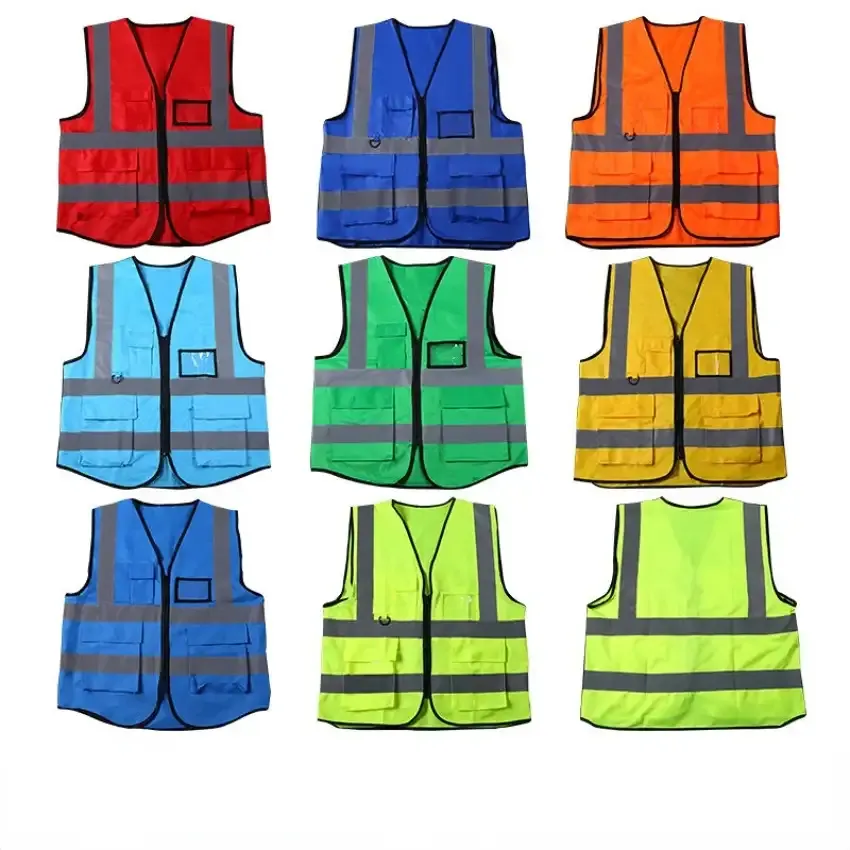
Why Colors? The Psychology of Visual Safety
Your brain processes color before text or shapes. This simple fact is why safety vest colors are your first line of defense against workplace accidents. When a forklift turns a corner or a crane swings above, quick color recognition is vital. This split-second decision can save lives.
The human eye responds most strongly to fluorescent yellows and oranges. These colors really catch the eye on any background. They are ideal for ensuring that workers are visible. That's exactly what do safety vest colors mean at their core. They're a visual language designed to communicate critical information instantly.
Did you know? Your peripheral vision picks up bright colors 3 times faster than non-fluorescent ones. This quick detection gives workers important extra seconds to respond in emergencies.
Key Regulations: OSHA, ANSI, and Industry-Specific Standards
Compliance isn't optional. Navigating safety regulations might seem overwhelming, but understanding the basics will protect both your workers and your business from costly penalties.
ANSI/ISEA 107-2020 sets the top standard for high-visibility safety apparel in the U.S. It defines three performance classes based on work settings and risk levels:
- Class 1: Minimum visibility for workers in low-risk environments with ample separation from traffic
- Class 2: Medium risk environments with speeds under 50 mph
- Class 3: Highest visibility for high-risk environments with speeds over 50 mph or complex backgrounds
OSHA regulations (specifically 1910.145) make these standards mandatory in many workplaces. Failure to comply can result in fines up to $14,502 per violation - a cost no business wants to incur.
Industry-specific requirements add another layer:
- Construction sites require Class 2 or 3 vests depending on proximity to traffic
- Maritime operations use specific colors to indicate roles near vessels
- Airport ground crews must wear highly specific colored vests based on their function
- Utility workers often need flame-resistant options that maintain visibility standards
Your takeaway: Investing in properly colored, compliant safety vests isn't just about checking regulatory boxes. It’s about building a visual safety system to protect your most valuable asset: your workforce.
Expert Tip: Safety is non-negotiable in high-risk environments, and ANSI/ISEA standards ensure that every color-coded garment serves a clear purpose. Whether it’s improving visibility or streamlining compliance processes, these standards are designed to protect both workers and businesses.
Ryan Duggan, Director of Safety & Compliance
Quick Overview of What Do Safety Vest Colors Mean
| Color | Significance | Typical Applications | Visibility Level | Industry Standards |
|---|---|---|---|---|
| Hi-Vis Yellow/Lime | Highest daytime visibility | Road construction, traffic control, emergency services | Excellent in daylight, good in low light | ANSI/ISEA 107, EN ISO 20471 |
| Hi-Vis Orange | High daytime visibility, distinguishable from natural surroundings | Highway work, surveying, forestry operations | Excellent in daylight, good in low light | ANSI/ISEA 107, EN ISO 20471 |
| Hi-Vis Red | Warning, danger, fire safety | Firefighting, emergency response | Good in various lighting conditions | NFPA 1971, EN 469 |
| Hi-Vis Green | Emergency egress, first aid | Emergency medical services, designated first aid personnel | Moderate visibility, distinctive in medical settings | ANSI/ISEA 107 |
| Hi-Vis Blue | Law enforcement, security | Police, security personnel | Moderate visibility, authority identification | Agency-specific standards |
| Hi-Vis Pink | Temporary visitor identification | Visitors to construction sites, temporary workers | Good visibility, clearly identifies non-regular personnel | Site-specific protocols |
| Silver/White Reflective | Nighttime visibility enhancement | Added to all colors for low-light visibility | Excellent in low light when illuminated | ANSI/ISEA 107, EN ISO 20471 |
| Black/Navy Blue | Contrast areas, dirt concealment | Combined with hi-vis colors for practical wear | Low visibility, used for contrast | Supplementary to primary hi-vis |
| Purple | Radiation hazards | Radiological work environments | Recognition of specific hazard | Radiation protection standards |
What Do Safety Vest Colors Mean?
As we explore what do safety vest colors mean, you'll discover how a simple color choice communicates critical information at a glance.
1. Fluorescent Yellow: The Universal Standard
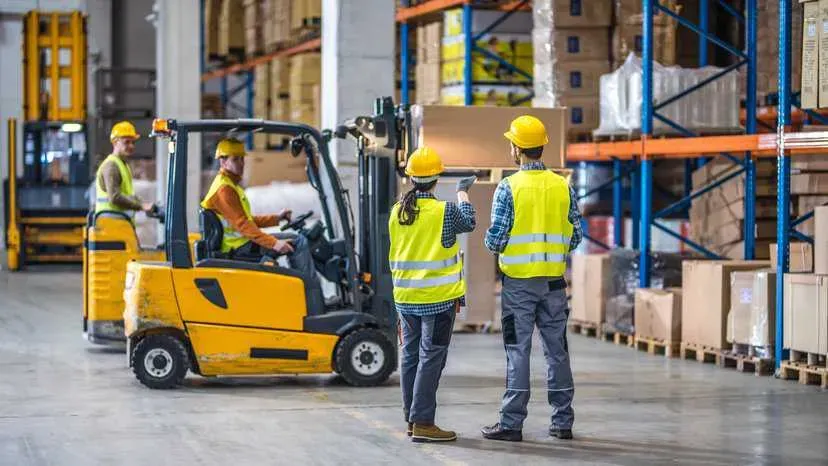
Fluorescent yellow safety vests are the most popular for industries where visibility is critical. Known for their bright and attention-grabbing color, these vests ensure workers are visible in hazardous areas. Used across various sectors, particularly in construction, they offer many benefits that improve safety and operational efficiency.
1. Higher Safety Standards:
Fluorescent yellow garments are more effective in low-light situations as the human eye can see shades of yellow more easily than other colors. This makes it easier for drivers and machinery operators to see workers. Reducing the risk of accidents.
Hi-vis clothing is critical in construction areas where heavy machinery and fast vehicles are present. It helps prevent accidents and meets safety rules by making workers visible day and night.
2. Multi-Use:
These vests are not just for construction workers. Parking attendants, crossing guards, and emergency responders use them. So do people in recreational activities. This shows their versatility across different industries.
3. Risk Reduction:
In high-risk environments like heavy machinery or fast-moving vehicles, fluorescent yellow safety vests are essential to reduce workplace accidents. It creates a safer environment and reduces business liability.
4. Operational Efficiency:
In time-sensitive industries, fluorescent yellow vests prevent accidents. They boost workflow by reducing downtime. Fewer disruptions caused by workplace injuries or near misses means smoother operations. Also, employee safety leads to a more productive work environment. Reduces delays in construction, logistics, and manufacturing.
Recommended Reading: Top 15 Custom China Safety Vest Manufacturers
2. Fluorescent Orange: Critical for Traffic and Temporary Operations
This is one of the most visible colors in hi-vis clothing, with characteristics that improve worker safety across many industries. Fluorescent orange is bright and bold. It stands out in areas where workers might be overlooked or blend in.
High Contrast Against Various Backgrounds:
Fluorescent orange contrasts highly with urban and natural backgrounds. It makes workers visible against many backdrops, like concrete, asphalt, and greenery. This is particularly useful in outdoor environments where visibility is critical for safety.
Suitable for Low Light and Overcast:
Unlike other colors that are harder to see in low light or cloudy conditions, fluorescent orange is highly visible in overcast weather or at dusk, providing 24/7 protection for workers. Reputable workwear manufacturers prioritize this feature when designing their high-visibility product lines.
Reflective for Extra Safety:
Fluorescent orange often has reflective strips, which makes it more visible during night shifts or in poorly lit areas. These reflective elements reflect light back to its source so workers can be seen from further away in low visibility conditions.
Visible from a Distance:
Because of its bright and bold nature, fluorescent orange is easy to see from a distance. This is particularly useful in areas with heavy machinery or fast-moving vehicles to prevent accidents.
Pro tip: For businesses, investing in high-visibility gear shows a commitment to safety standards, reduces liability risks, and supports employee well-being. This equipment enhances operational safety and boosts efficiency, benefiting the entire organization.
3. Hi-Vis Red: Designated Emergency Authority
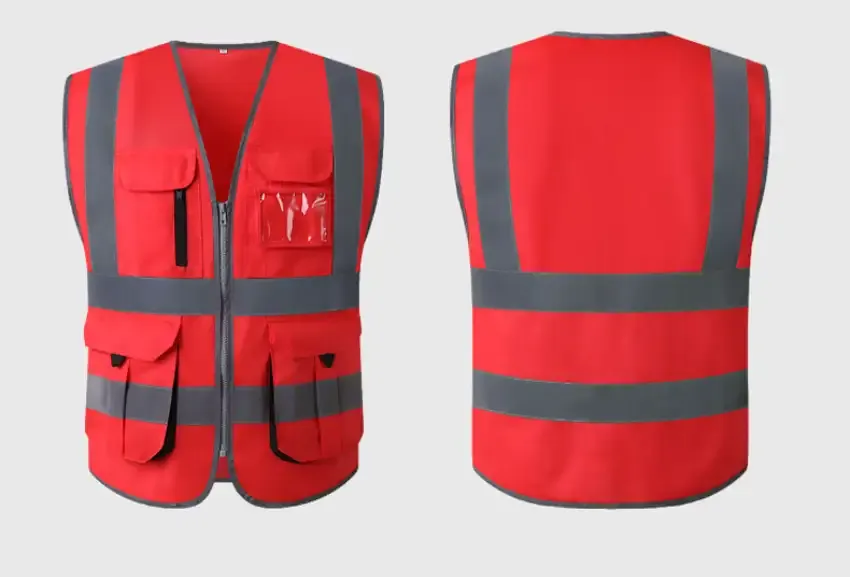
One of the most popular colors in hi-vis clothing, a balance of bright and visible. Often chosen for its bright appearance, Hi-Vis Red is used in many industries where safety and visibility are critical. This color is particularly useful in areas where workers need to stand out in high-risk, fast-paced situations.
Bright and Noticeable:
Hi-Vis Red has a bold color that is attention-grabbing and easy to see, perfect for workers in high foot traffic areas. The color is unique and helps workers stand out, whereas other hi-vis colors might blend in with the surroundings. Leading safety vest manufacturers USA have invested in specialized dye formulations to achieve maximum luminance in their Hi-Vis Red products.
Highly Visible in Urban and Traffic Areas:
Useful for roadwork, traffic control and construction, Hi-Vis Red is high contrast against urban backdrops like concrete, asphalt and street signs. It's distinctive so workers are visible in busy, fast-moving areas.
Color for Brand Identity:
Beyond the safety benefits, Hi-Vis Red is a great option for businesses looking to differentiate their brand identity. Its bold look makes workers more visible and identifiable. This helps businesses that want their uniforms to stand out in a crowd or on a job site.
4. Blue: Technical Expertise Identifier
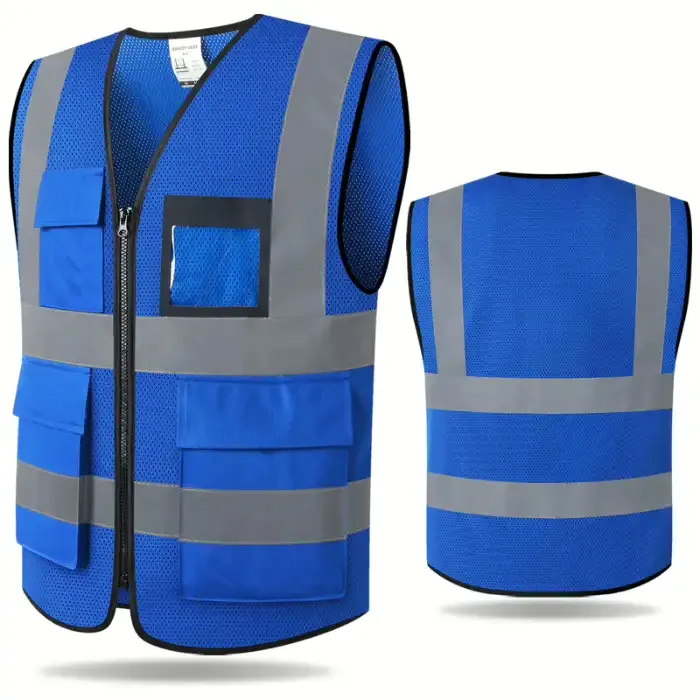
Blue vests facilitate operational efficiency by visually identifying personnel with specialized knowledge or supervisory responsibilities. This differentiation directs inquiries correctly. It avoids implying an emergency and creates clear visual hierarchies in operational teams. Industrial manufacturers have widely adopted this color-coding system to streamline complex production environments.
Data shows this approach is effective. Manufacturing and logistics often report fewer process interruptions after they start using blue vests for specialized teams. This color-coding strategy boosts workflow. It allows for quick identification of decision-makers and technical specialists.
Common Use Cases:
- Factory floor maintenance crews
- Hospital backroom staff (e.g., IT, sterile processing)
- IT server room technicians
5. White and Silver: Enhanced Nighttime Visibility
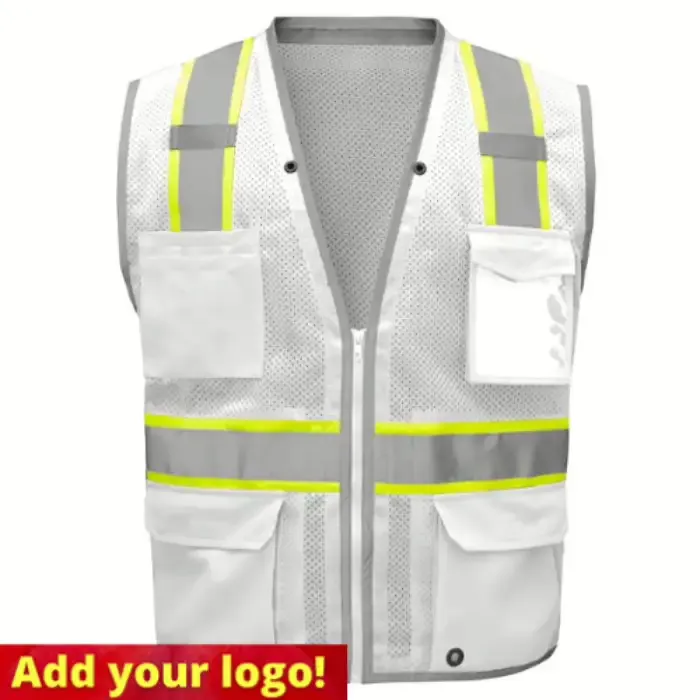
Low-light operations require specialized visibility solutions beyond standard daytime applications. White vests and silver reflective materials provide superior performance when illuminated by artificial light sources.
Technical Specifications for Low-Light Environments:
- Reflective material must meet specific retroreflectivity standards
- Strategic placement enhances visibility during movement
- Class 3 apparel incorporates additional reflective elements on extremities
- Regular inspection ensures continued performance integrity
Common Use Cases:
- Night delivery drivers
- Airport ground crews (midnight shifts)
- Winter construction teams (dawn/dusk operations)
Other Color Coding in Safety Apparel
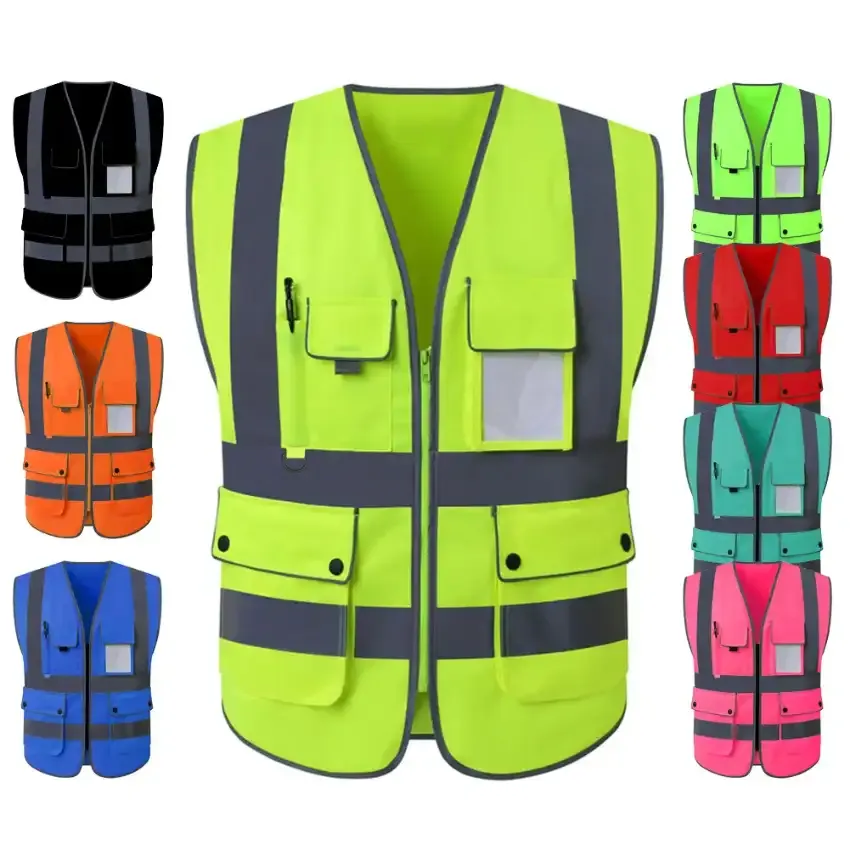
Properly color-coded safety apparel clarifies roles and improves safety across various settings. Here’s how specific colors support industries:
1. Hi-Vis Green
- Use: Commonly seen in aviation and maritime sectors, it marks safety zones or low-risk areas.
- Benefit: Reduces confusion in complex environments, improving efficiency and preventing accidents.
2. Brown
- Use: Worn by sheriff’s officers.
- Benefit: Distinguishes law enforcement staff, aiding communication in joint operations.
3. Green (Non-Hi-Vis)
- Use: Fits safety officers, first aid providers, and security staff in non-high-visibility settings.
- Benefit: Offers visibility and professionalism in areas without strict visibility requirements.
4. Pink
- Use: Highlights awareness events, such as Breast Cancer Awareness campaigns.
- Benefit: Encourages participation, reflects organizational values, and enhances brand image during community events.
Recommended Reading: Creating the Perfect Safety Vest Design Template
Selecting the Right Hi-Vis Vest for Your Job

Work Environment
The color of safety vests is vital for visibility and risk reduction in various workplaces. For example:
- Construction and Roadwork Zones: Yellow vests are easy to spot against asphalt and dirt, ideal for workers using heavy machinery or doing ground-level tasks.
- Roadside and Surveying Tasks: Orange vests stand out against green landscapes and urban settings, improving visibility for supervisors and engineers near traffic.
- Healthcare Settings: Green vests help medical staff maintain a calm and distinct presence during emergencies.
- Hazardous Zones: Red vests signal danger, making it easier to identify people in high-risk areas.
- Logistics and Night Operations: Reflective vests increase visibility in low-light conditions, ensuring safety during night or warehouse shifts. To further enhance protection, integrating a robust warehouse security system can prevent unauthorized access and monitor real-time activities, adding an extra layer of operational safety.
Job Roles
- Construction Managers and Supervisors: Orange vests make leadership roles clear, helping identify decision-makers on-site.
- Heavy Machinery Operators: Yellow vests highlight operators' critical roles, ensuring their safety in high-risk zones.
- General Laborers: White vests show non-essential personnel, helping prioritize emergency responses.
Compliance Requirements
Safety regulations require vests to meet ANSI Class 2 and Class 3 standards:
- Class 2: Suitable for traffic speeds between 25-50 mph, offering improved daytime and moderate visibility.
- Class 3: Designed for speeds above 50 mph, providing maximum visibility in high-speed areas.
Expert Advice: In healthcare settings, color-coded vests not only serve as a safety measure but also help maintain order during high-pressure situations. Green vests for medical staff signify calmness and organization, which is essential during emergencies where quick decision-making is required.
Maribel Street, CEM, Director of Emergency Management
Why Understanding Hi-Vis Color Codes Matters?

Key Benefits for Businesses
- Safer workers mean fewer liability risks.
- Following safety rules boosts your company’s reputation.
- Durable materials save on replacement costs, providing long-term value.
Improved Safety
Hi-vis color codes are vital for safety in industries like construction, transportation, and warehousing. Understanding these codes ensures workers remain visible in low-light or high-risk conditions, lowering the chances of accidents.
Regulatory Compliance
Using hi-vis clothing helps companies follow safety standards, preventing fines and legal problems. It also shows a company’s dedication to worker safety and meeting legal requirements.
Benefits for Employers and Employees
For employers, properly using hi-vis codes improves workplace safety and boosts productivity. For employees, it offers reassurance that their safety is a priority.
Recommended Reading: Best 10 Safety Wear Suppliers in Qatar
People Also Ask About What Do Safety Vest Colors Mean
1. What color vest should a school crossing guard wear?
School crossing guards wear fluorescent yellow vests so they are highly visible to drivers and pedestrians during school hours.2. How do blue vests differ from other colors?
Blue vests are worn by police and security personnel. This color helps them stand out from construction workers and other personnel on site.3. What is the role of retro-reflective material in safety vests?
Retro-reflective material reflects light back to its source at night making it visible to drivers from 1,000 feet away.4. Do safety vest colors vary by local regulations?
Yes, local safety regulations may require specific colors for certain industries. Businesses should check industry specific regulations and standards (e.g. ANSI, ISO) to ensure they meet safety and visibility requirements.5. Can different roles in the same workplace wear different safety vest colors?
Yes, within the same workplace different roles can wear different colors to signify their role. For example construction workers can wear fluorescent yellow, site managers or emergency responders can wear red or blue vests to identify their role in an emergency situation.Conclusion
Safety vest colors aren’t just about compliance—they’re your frontline defense against accidents, fines, and the stress of “what-ifs.” When your team wears the right hues, they’re visible, protected, and aligned with industry rules.
Start by auditing your current PPE—check for fades, tears, or non-compliant colors. Then, partner with trusted PPE suppliers who delivers both quality and compliance. At LeelineWork, we craft custom industrial uniforms that match your needs and exceed regulations. When your team dresses for success, they put in the effort. They work safely, efficiently, and without compromise. Contact LeelineWork today.

Senior Apparel Production & Compliance Specialist