
Overalls take a beating—construction sites, warehouse floors, delivery routes. The Best Fabric For Overalls isn’t just about style. It’s the difference between a crew that works smoothly and one sidelined by rips, sweat, or non-compliant materials.
Pick the wrong fabric, and you’ll encounter hidden costs. This could mean constant replacements, compliance problems, or workers unhappy with scratchy, ill-fitting gear—ouch!
As overalls manufacturers with years of material know-how, we’re breaking down the Best Fabric For Overalls. Let’s help you choose textiles that balance durability, cost, and comfort. Stick with our articles for pro tips from leading workwear manufacturers to fuel your next bulk order!

10 Best Fabric For Overalls
Before investing in your next workwear order, consider these 10 best fabric for overalls that industry experts consistently recommend for superior performance.
1. Denim
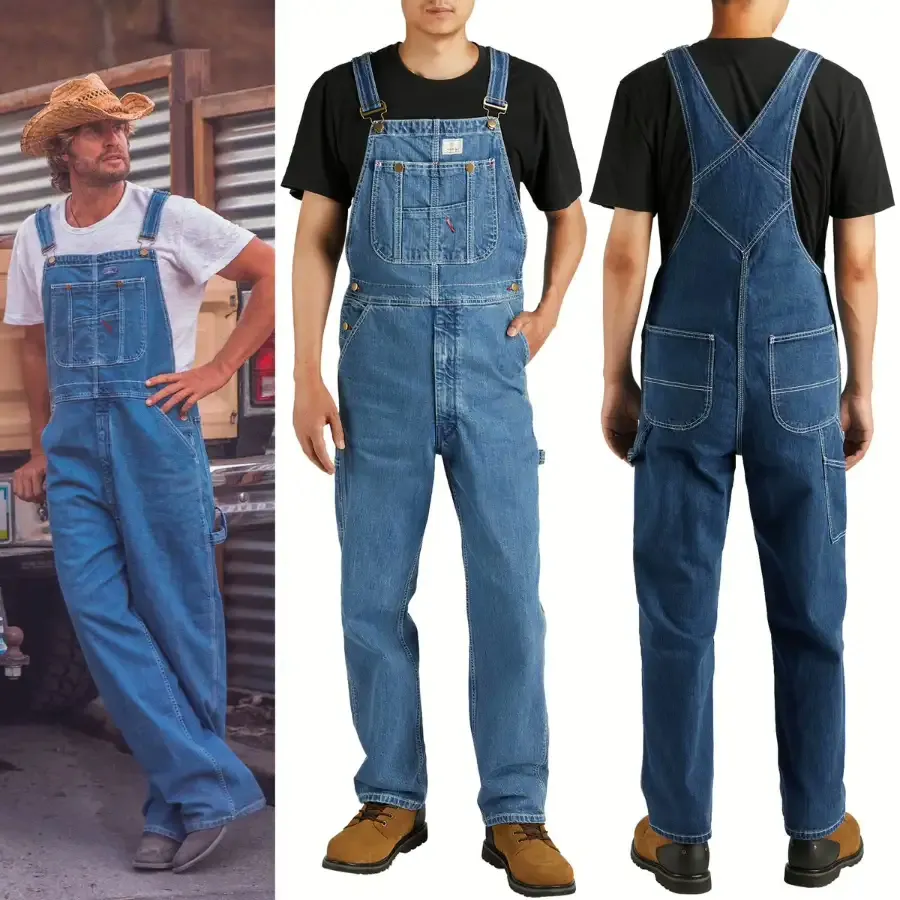
Denim is a top choice when looking for the Best Fabric For Overalls because of its industry-leading durability. The tight twill weave of denim makes it up to 25% stronger than plain fabrics of the same weight. Means your overalls resist tearing, fraying, and abrasion even under tough daily use, much like how project management software ensures long-term efficiency and reliability in business workflows.
Why Denim Stands Out in Durability
- Long-staple cotton fibers boost strength and reduce wear.
- High-density ring-spun yarn adds flexibility while preventing stretching.
- Reinforced seams and bar-tacked stress points like pockets and hems stop failures at key spots.
- Precision-placed rivets prevent pocket corners from ripping.
Comfort and Wearability
At first, denim might feel stiff, but it softens with every wash, becoming more comfortable over time. It also allows for breathability, so it's good for long workdays or casual wear when comfort is key.
Visual Appeal & Style
Denim’s natural indigo dye keeps its vibrant color longer, even after multiple washes. Over time, unique fading patterns develop, giving your overalls a distinctive, worn-in look. This timeless style fits well in both professional and casual settings.
Practical Considerations
Heavyweight denim (13–16oz) works best for demanding jobs, resisting rips and stains effectively. Leading China Uniform Manufacturers have perfected the production of 14oz broken twill denim overalls, which are especially sought after for their exceptional durability and ability to hold shape through industrial washing processes. Denim may feel bulky and warm in hot weather. It also doesn't provide as much water resistance as some other fabrics.
2. Canvas (Duck)
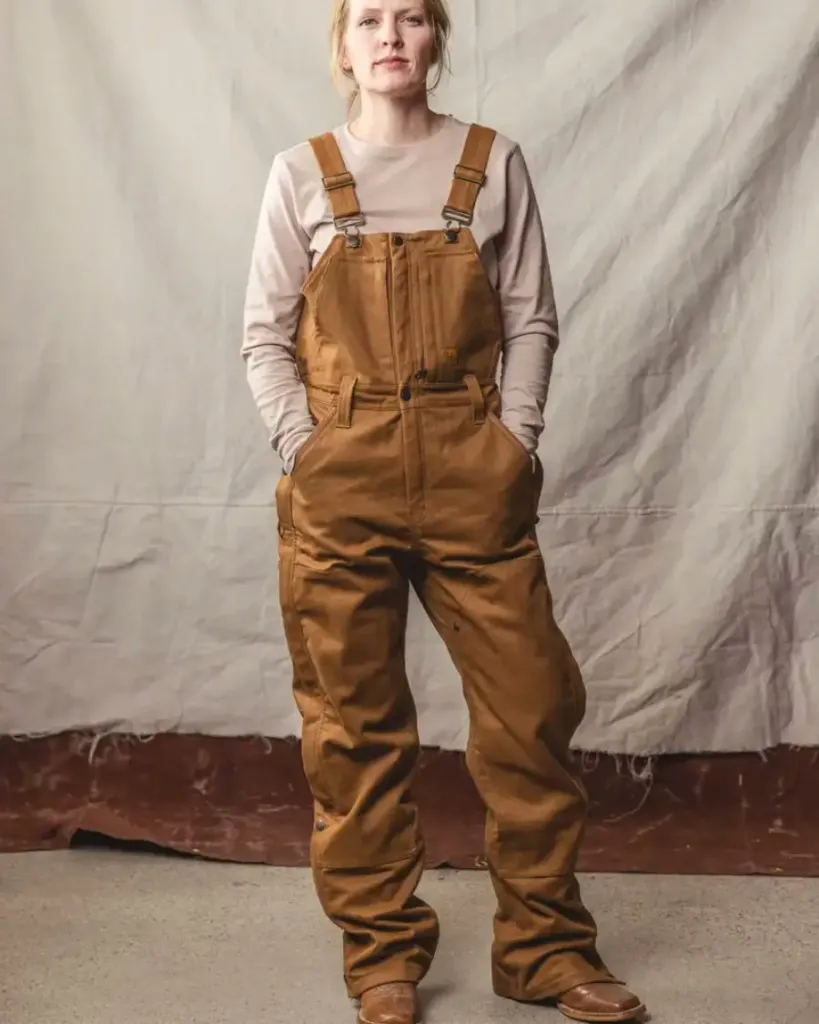
When you choose duck canvas for overalls, you get the Best Fabric For Overalls known for extreme toughness and durability. This fabric uses a unique plain weave structure, where two yarns run in one direction and one in the other. This tight weave makes the material very strong and resistant to wear. It's perfect for tough, rough conditions.
Key Benefits of Duck Canvas
- Extreme Durability: Duck canvas can handle tough jobs in construction, welding, and carpentry without wearing out quickly.
- Wind Resistance & Warmth: Keeps you warm and blocks wind, so you stay comfortable even in cooler weather.
- Shape Retention: The fabric keeps its form well, so your overalls won’t sag or lose their fit after repeated use.
- Easy Maintenance: It’s simple to clean and holds up well through many washes.
What to Keep in Mind
- Initial stiffness: Your duck canvas overalls will feel rigid at first but soften with wear and washing.
- Lower breathability: It’s less breathable than denim, so in hot climates, it might feel warm.
- Heavier weight: Being thicker and heavier, it’s great for protection but may reduce all-day comfort.
Cost and Longevity
Duck canvas offers excellent value because of its long lifespan. You won’t need to replace your overalls often, saving money over time. It’s also reasonably priced compared to other heavy-duty fabrics.
Expert Tips: Duck canvas represents the pinnacle of industrial textile engineering – its plain weave structure distributes stress more evenly than twill patterns, resulting in up to 40% greater tear resistance in critical stress points like knees and shoulders.
Md Abul Kalam Azad, Garments & Textile Commercial Expert
3. Cotton
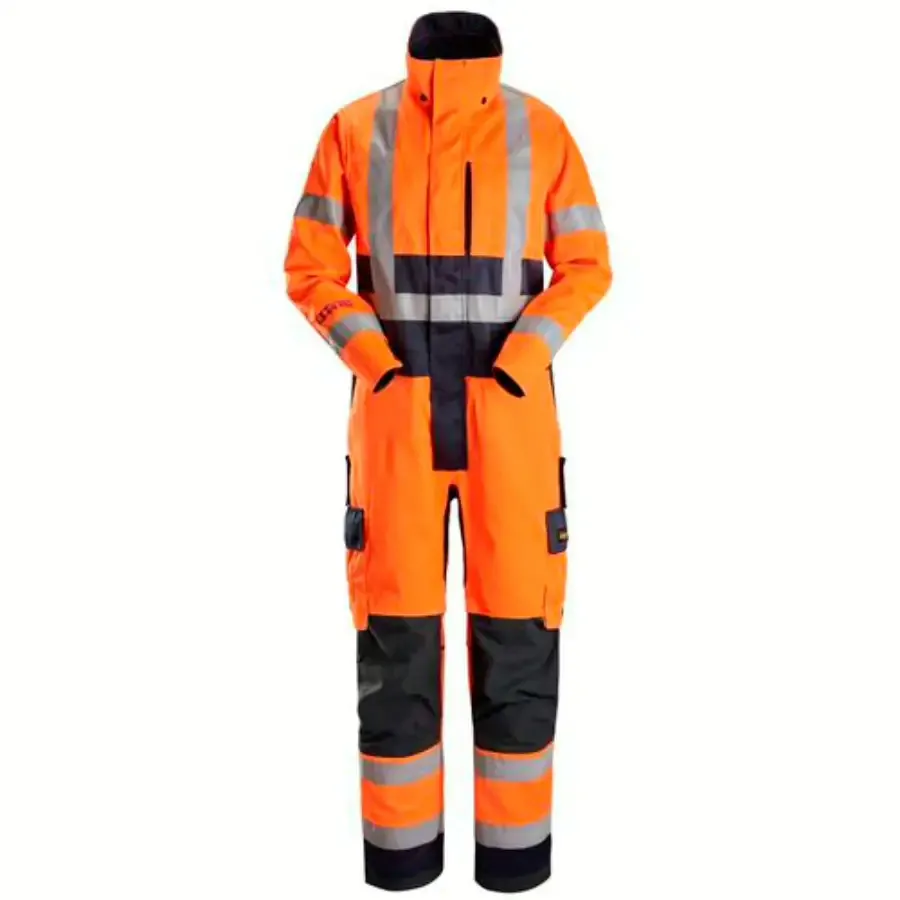
Cotton is a Best Fabric For Overalls choice if you want comfort and breathability in your overalls. Its natural breathability and soft texture keep you cool, especially in warm conditions. This makes it perfect for workplaces where heat and comfort matter most.
Durability and Strength
- Cotton’s durability is moderate, not as tough as denim or heavy canvas.
- Traditional cotton wears out faster in heavy-duty tasks, so you might need to replace it sooner.
- Advanced options like TOUGH COTTON™ really enhance durability. They provide up to 8 times better abrasion resistance and 56% more tear strength. This makes cotton much more reliable for tougher jobs than before.
Comfort and Skin Safety
Cotton is hypoallergenic, ideal if you or your team have sensitive skin. It absorbs sweat effectively, but it retains moisture longer than synthetic fabrics. Keep this in mind for wet or sweaty jobs.
Maintenance and Care
- Cotton wrinkles easily and can shrink after washing if it’s not blended with polyester or pre-treated.
- You will want to keep up with washing and ironing to maintain a crisp, professional look.
- Higher quality cotton, with tighter weaves, can last over 10 years when cared for properly.
Enhanced Cotton Options
Cotton can be treated to add qualities like flame resistance for safety. Many Workwear Manufacturers In China have specialized in developing proprietary cotton treatments that enhance performance while maintaining competitive pricing.
You can find options featuring moisture-wicking (TransDRY®) or water-repellent (STORM COTTON™) treatments that leverage these advanced manufacturing capabilities.
By choosing cotton, you balance comfort, safety, and moderate durability—key benefits when selecting the Best Fabric For Overalls.
4. Twill
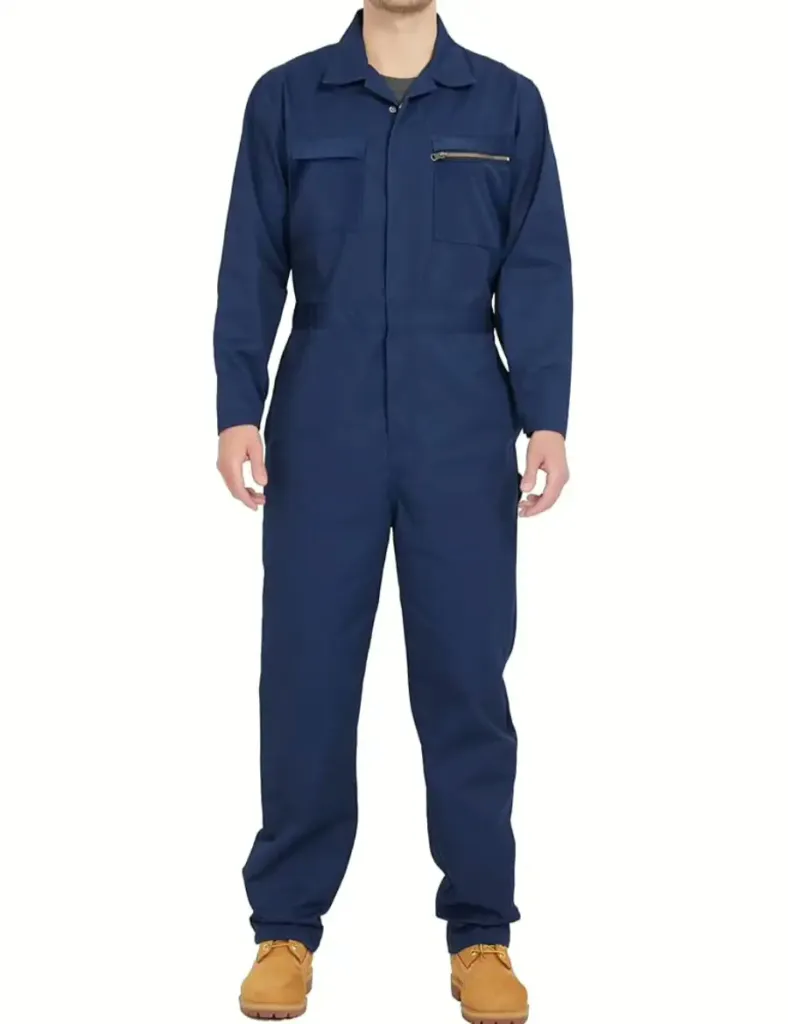
Twill is a top contender when looking for the Best Fabric For Overalls because it offers an excellent balance of durability and comfort. The unique diagonal weave gives the fabric strength and makes it tear-resistant. Your overalls will last longer, even with everyday wear. At the same time, twill is softer and more flexible than heavier fabrics like canvas or denim. You or your team can stay comfortable all day long.
Durability and Weight Options
- Twill fabrics come in weights from 7 oz to 12 oz per square yard. You can choose lighter options for indoor or mild tasks. For tougher jobs, go with the heavier weights.
- The diagonal weave patterns (such as 2/1 or 3/1) boost tear strength.
- Popular twill types are denim and chino. Denim is heavy and durable, ranging from 10-14 oz/yd². Chino twill is lighter, at 7-9 oz/yd², which makes it great for warm weather.
Comfort and Maintenance
Twill requires less break-in time compared to heavier fabrics. It resists wrinkles and stains, helping you maintain a crisp, clean look throughout your workday. Easy laundering reduces upkeep, saving time and effort.
Versatility and Use
Available as 100% cotton or cotton/polyester blends, twill fabrics can be adapted for different climates and workloads. Used for uniforms, aprons, work shirts, and lightweight overalls, this fabric prioritizes comfort and appearance. Consider organic cotton twill if environmental impact is a priority.
Keep in Mind
- While durable, twill is not the best for extreme abrasion or harsh outdoor work—heavier canvas or denim may perform better.
- It offers less wind and cold insulation, so it’s not ideal for freezing conditions.
- Certain areas may wear faster under heavy friction.
5. Polyester/Cotton Blend
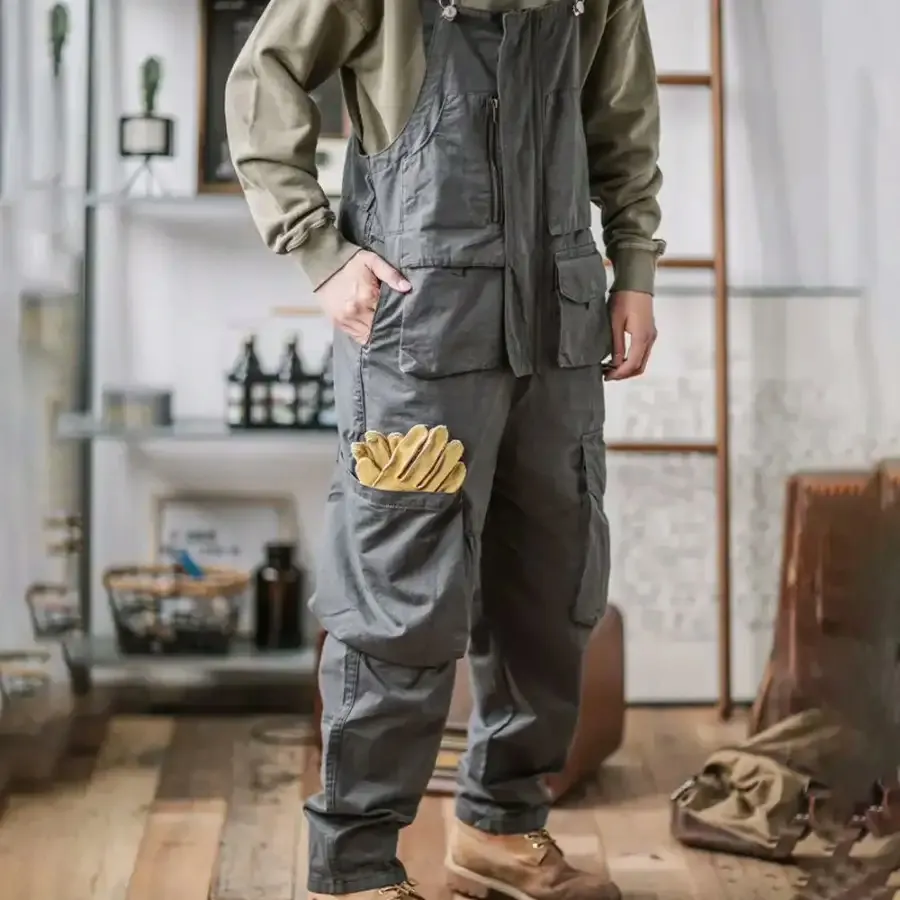
When choosing the Best Fabric For Overalls, polyester/cotton blends are a smart option. These blends usually come in ratios like 65% polyester / 35% cotton or 50/50. Balancing strength and comfort. The polyester fibers give the fabric strength and durability. Helps your overalls stand up to heavy use and frequent washing, so they last longer.
Durability and Maintenance
- Enhanced strength means the fabric resists wear and tear better than pure cotton.
- Wrinkle resistance keeps your overalls looking sharp with less ironing needed.
- These blends dry quickly and maintain shape, which helps save time and energy on care.
- Stains are easier to clean, making them perfect where you need both a neat look and practical upkeep.
Comfort and Fit
The cotton content provides breathability and softness, so you stay comfortable. Polyester adds resilience, keeping overalls from shrinking or losing shape after washing. These fabrics dry quickly, but they hold heat better than pure cotton. So, think about your working environment.
Ideal Uses and Benefits
- Great for healthcare, schools uniform, and industry clothing where you want durability and easy care.
- Used widely in workwear and sportswear, where you need clothes that move with you but last long.
Things to Keep in Mind
- Heat retention might be a challenge in very hot or humid conditions.
- A few people may feel sensitive to synthetic fibers.
- Recycling blended fabrics is complicated, so environmental impact should be considered.
6. Stretch Twill/Denim
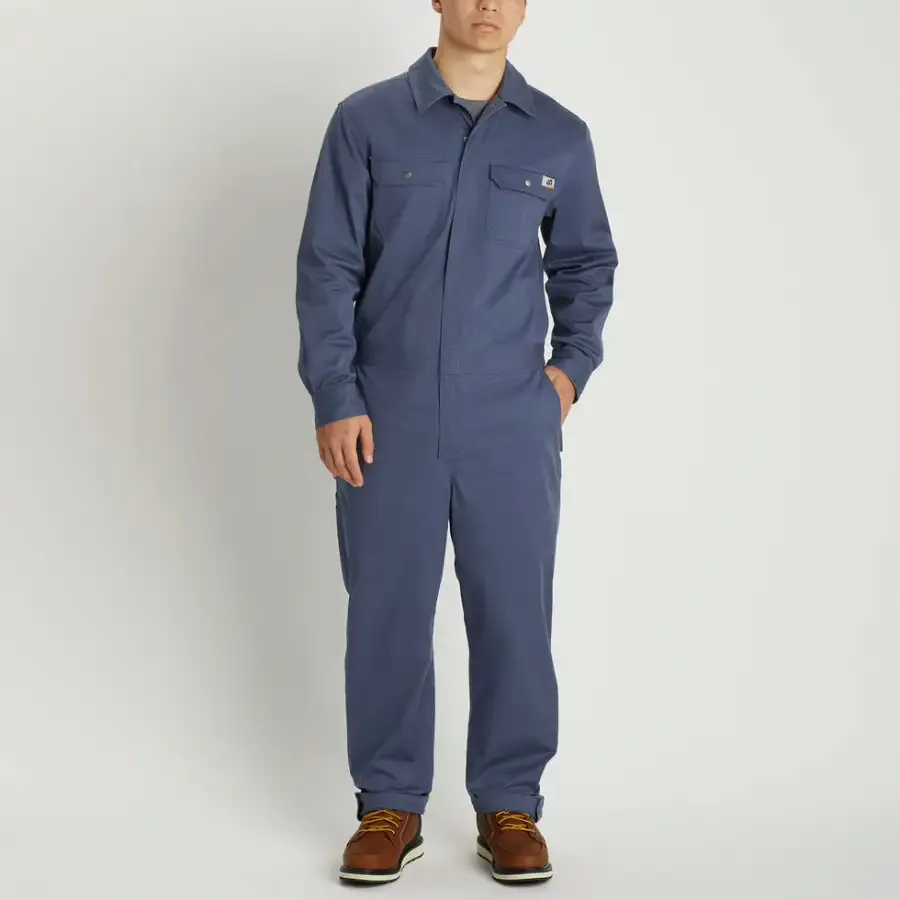
Stretch twill and denim rank among the Best Fabric For Overalls by combining durability with flexibility. These cotton-elastane blends provide freedom of movement while maintaining a professional appearance.
Key Benefits:
- High Flexibility: Enables full range of motion for bending, crouching, and reaching
- Enhanced Comfort: Softer hand-feel than traditional workwear fabrics
- Shape Retention: Maintains fit after repeated use with minimal sagging
- Professional Styling: Allows for more tailored, contemporary designs
Important Considerations:
- Less abrasion-resistant than heavyweight options for extreme environments
- Elastic fibers may deteriorate in high-stress areas (knees, seat)
- Requires gentle washing and low-heat drying to preserve stretch properties
Specifications:
- Typical Composition: 98% cotton, 2% elastane
- Recommended Weight: 8-12 oz/yd²
- Stretch Capacity: 15-20% for optimal movement
Ideal Applications:
- Indoor workspaces
- Healthcare environments
- Retail and hospitality
- Situations where professional appearance matters alongside function
7. Corduroy
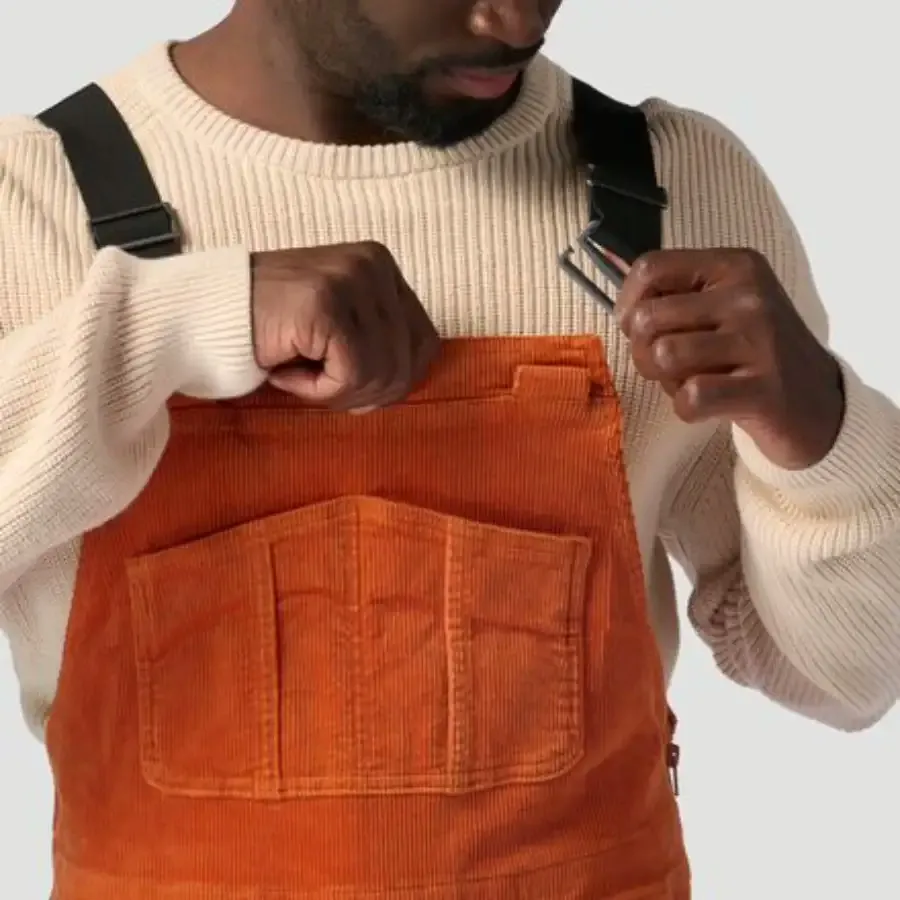
Corduroy is distinct due to its unique texture. The raised ridges, called “wales,” run down the fabric. They add a classic and stylish touch to your overalls. This texture is more than just looks. It brings added warmth and softness. In fact, this best fabric for overalls can be up to 20% warmer than denim or cotton twill. If you need overalls that keep you comfortable in cooler settings, corduroy is a smart pick.
Warmth and Comfort
- Excellent insulation and wind resistance protect you from cold air.
- The soft, ribbed surface is gentle on the skin. It's great for light work or creative settings.
- Corduroy works well where both comfort and style matter.
Durability and Maintenance
This fabric can handle around 50,000 abrasion rubs, much higher than regular cotton twill. The tough ridges help maintain shape, but avoid heavy abrasive tasks to prevent visible wear. Corduroy is machine washable and keeps its softness and fit over time. It also wicks moisture, helping you stay dry during indoor and outdoor activities.
Style and Variety
Available in various wale counts (8–21 per inch). Lets you pick between rugged, casual styles or fine, dressy looks. Thicker wales add warmth and chunkiness; finer wales offer a sleek appearance.
Considerations
- It may attract lint and pet hair, requiring light maintenance.
- Heavier corduroy isn’t as breathable in hot weather.
- The ribs can fray if overexposed to rough use or harsh washing.
Pro Tip: What's overlooked about corduroy is its acoustic dampening properties. In workshop environments where noise reduction matters, corduroy absorbs up to 30% more ambient sound than smooth fabrics, creating a quieter workspace while maintaining professional durability.
8. Recycled Polyester (rPET)
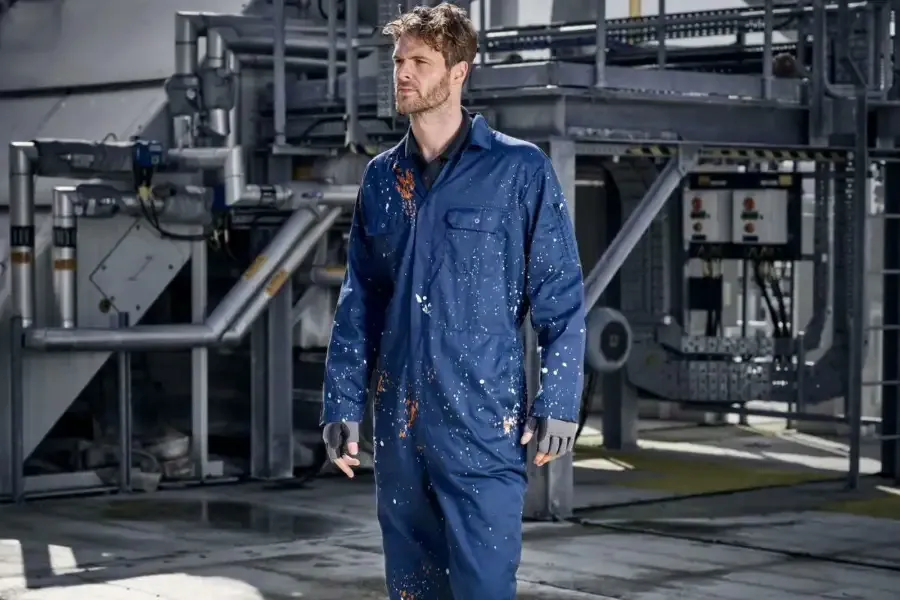
Choosing recycled polyester (rPET) for your overalls brings significant benefits without compromising quality. rPET helps lower your environmental impact. Its production uses up to 59% less energy and creates 55% fewer CO₂ emissions than virgin polyester. Hlps you lower your carbon footprint and supports global sustainability goals.
Environmental and Performance Benefits
- Waste reduction: rPET turns plastic bottles into fabric, keeping millions of tons of plastic out of landfills and oceans. For example, recycling five water bottles creates enough fiber for one t-shirt.
- Durability and function: rPET fabric is as strong, quick-drying, lightweight, and crease-resistant as virgin polyester. Makes it a great choice for tough workwear like overalls.
- Water and energy savings: Producing rPET can cut energy use by up to 45% and reduce water use by 20%. Optimizes your supply chain's resource efficiency.
- Lower petroleum dependence: Using rPET means less fossil fuel extraction, helping fight pollution linked to petroleum.
Practical Considerations
- rPET can cost 10–20% more than virgin polyester due to processing expenses.
- Its UV resistance may be slightly lower, so outdoor use might need extra treatment.
- There is some risk of microfibers releasing during washing, so responsible care is important.
Embracing recycled polyester helps you combine functionality with sustainability — a smart choice for the Best Fabric For Overalls.
9. Aramid (e.g., Kevlar®, Nomex®)
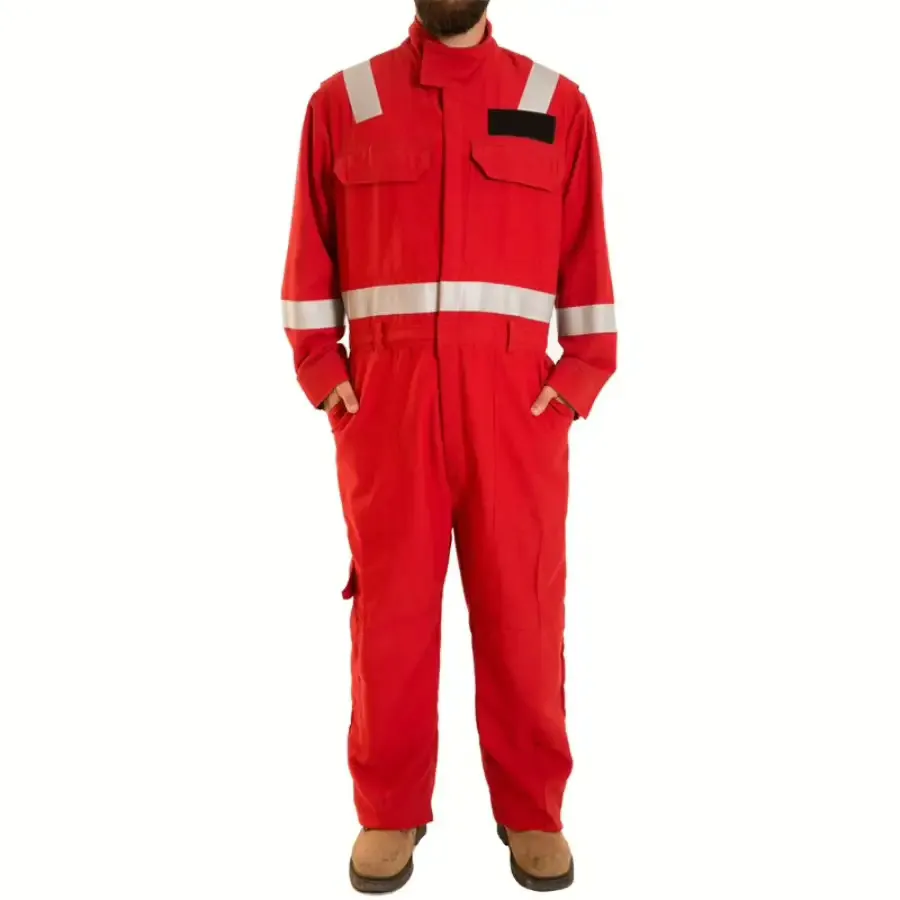
When searching for the Best Fabric For Overalls, aramid fabrics like Kevlar® and Nomex® stand out for their exceptional protective qualities. These materials are heat and flame resistant. They endure temperatures over 500°C without melting or igniting. This makes them ideal for environments where fire risks are high.
Why Choose It?
High tensile strength: Aramid fibers are stronger than steel by weight and maintain over 85% of their strength even after hundreds of washes. This ensures your overalls last longer, reducing the need for frequent replacements.
Chemical resistance: They repel most inorganic acids, organic solvents, and bleach. Keeps you safe from chemical splashes and corrosion while you work.
Lightweight design: Compared to other heavy protective fabrics, aramid overalls feel lighter and allow for easier movement and less fatigue during long shifts.
Low moisture absorption: These fabrics dry quickly and don’t get heavier when wet.
Non-conductive: Aramid does not conduct electricity, adding a layer of safety around electrical hazards.
Applications and Considerations
Aramid overalls are popular in several fields. You can find them in firefighting, foundry work, military uniforms, chemical plants, and oil fields. These are all places where strong protection is essential. Keep in mind, these overalls come at a premium price and have limited color options, often fading with time. Also, special care during manufacturing and laundering is necessary.
10. Technical and Performance Fabrics
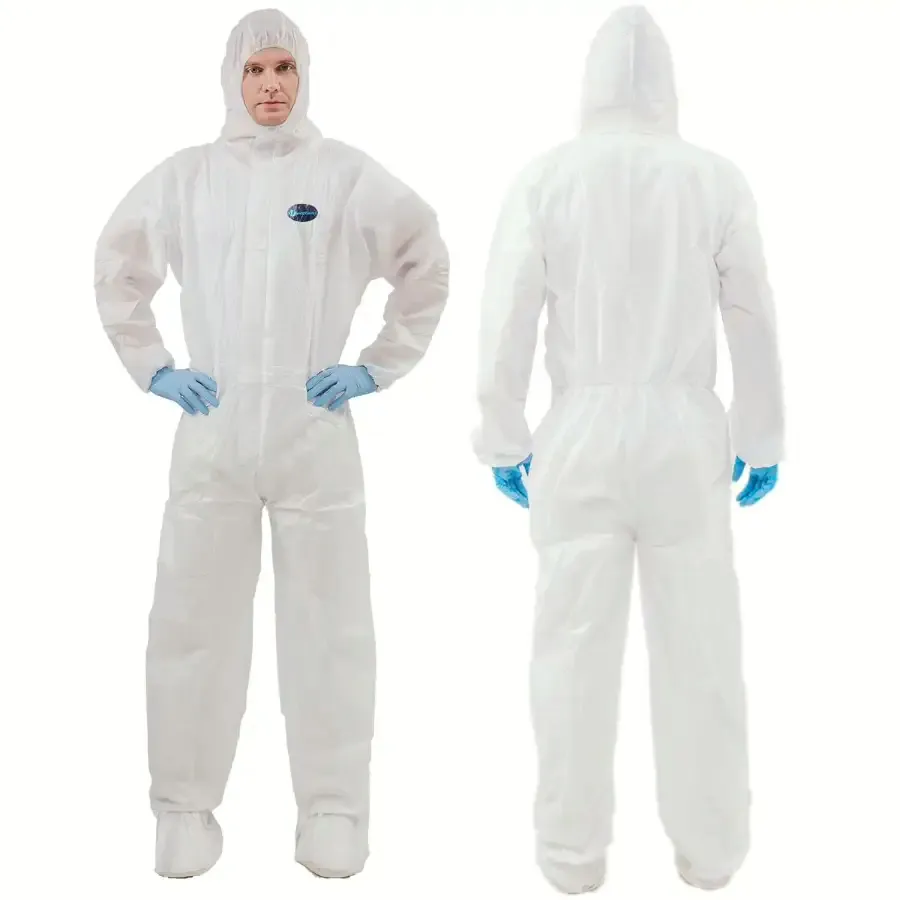
When you choose overalls made from technical and performance fabrics, you upgrade safety and durability.
Water-Repellent and Anti-Microbial Features
Water-repellent coatings keep you dry and prevent fabric breakdown by repelling liquid spills and oils. This treatment makes overalls last longer in tough environments. Anti-microbial treatments prevent odors and bacteria. This is especially useful in food processing and healthcare uniform. Keep your workwear fresh and clean.
Investing in Performance Fabrics Pays Off
Though these fabrics cost more upfront, their long lifespan and compliance with safety rules save you money and protect workers better in the long run.
Key Factors to Consider When Choosing the Best Fabric For Overalls
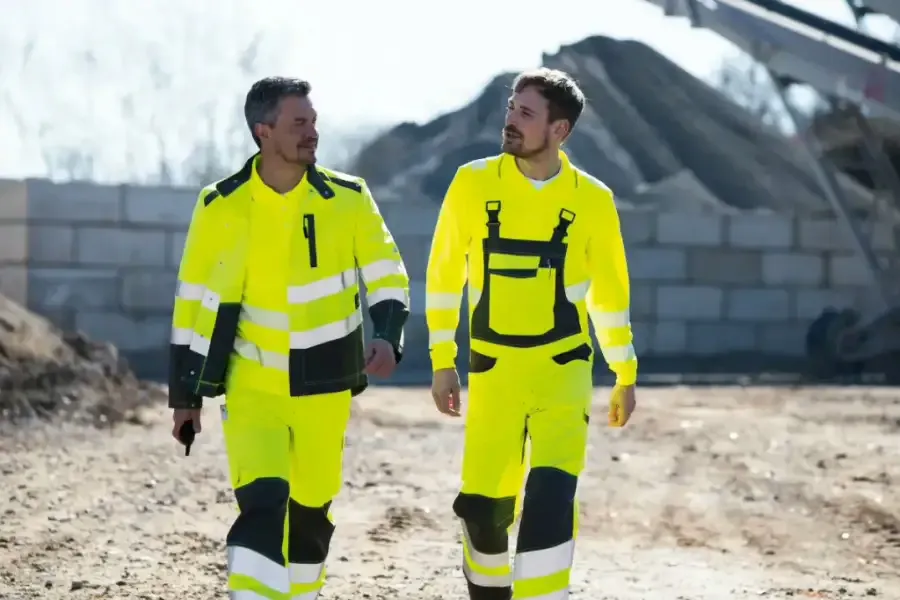
When selecting the Best Fabric For Overalls, you need to focus on several critical factors that ensure performance and value.
Durability and Wear Resistance
- High abrasion resistance: Look for fabrics passing the Martindale test with over 40,000 cycles or the Wyzenbeek test’s double rub rating.
- Tear strength: Choose materials with strong tensile values, often above 250 lbs in warp direction, like canvas. Helps overalls hold up under tough conditions.
Comfort and Breathability
- Moisture-wicking: Fabrics that pull sweat away, like cotton blends or modern polyesters, keep you dry during long workdays.
- Airflow: Materials such as ripstop nylon offer superior breathability, reducing fatigue by improving ventilation.
Cost-Effectiveness
- Bulk pricing: Buying in large quantities can save you 20–35% per yard.
- Longevity: Fabrics with high abrasion and wash cycle ratings cut down replacement frequency, lowering your overall costs.
Sustainability and Eco-Friendly Options
- Certified fabrics: Look for GOTS or OEKO-TEX certified materials. These reduce environmental impact and support greener business practices.
Regulatory Compliance
- Safety standards: In oil or welding industries, pick flame-retardant fabrics that comply with NFPA 2112 or ISO standards. Protects workers and meets legal requirements.
Focusing on these points makes sure your overalls are durable, comfortable, and cost-effective. They’ll also be eco-friendly, easy to maintain, and meet regulations.
People Also Ask About Best Fabric For Overalls
1. Are expensive fabrics always better for overalls?
Not necessarily. While premium fabrics (e.g., aramids like Kevlar®) excel in safety-critical roles, mid-range options (cotton-polyester blends) often balance cost and performance for general use. It depends on your industry’s demands.2. Which fabrics meet safety standards like OSHA or EN?
Look for flame-resistant (FR) fabrics (e.g., Nomex®, FR cotton), chemical-resistant synthetics (e.g., PVC-coated nylon), or high-visibility materials (e.g., reflective polyester) to comply with OSHA, EN ISO 20471, or NFPA standards.3. What eco-friendly fabrics are suitable for overalls?
Recycled polyester (rPET), organic cotton, and hemp blends are sustainable picks. They reduce plastic waste, lower carbon footprints, and align with ESG goals—great for brands prioritizing green initiatives.4. Which fabrics are best for high-abrasion areas (e.g., knees, elbows)?
Reinforced panels with Cordura®, ballistic nylon, or thick denim (14+ oz) add extra protection. Some brands even use TPU-coated fabrics for scratch-resistant durability in high-wear zones.Conclusion
Focus on what matters for your workwear. Duck canvas is tough and reliable. Cotton blends are comfy and breathable. Technical fabrics offer specific protection. Pick the right one for your industry to see real benefits from your investment.
Don't let your team struggle with subpar overalls when optimal solutions are within reach. Contact LeelineWork today for a consultation on custom industrial uniforms tailored to your specific operational challenges. Our fabric experts are ready to help you choose options that balance durability, comfort, and cost. When your team looks professional and feels safe, your business performs better.

Senior Apparel Production & Compliance Specialist