
Lab coats aren’t just uniforms—they’re a critical layer of protection, professionalism, and productivity in healthcare, pharma, and research. Choosing the right lab coat can boost safety, ensure compliance, and even reflect your brand.
But with so many options out there, how do you know which lab coat types fit your team’s needs, budget, and regulatory demands? One wrong choice, and you could compromise safety—or blow your procurement budget.
That’s precisely why we’ve created this no-nonsense guide. Help you navigate the complex landscape of lab coat selection with confidence and clarity. As skilled medical uniform manufacturers, we will go over the different lab coat types. By the end, you’ll be ready to make choices that benefit your team and your budget. Keep reading our articles for insider tips!

Table of Contents
List of 10 Lab Coat Types
| Lab Coat Type | Material Composition | Primary Applications | Key Features/Benefits | Approximate Cost Range |
|---|---|---|---|---|
| 1. Disposable Lab Coats | SMS (spunbond-meltblown-spunbond), polypropylene, or lightweight paper-based materials | Visitor protection, short-term procedures, contamination control environments | • Single-use convenience • No laundering required • Prevents cross-contamination • Available in sterile options | $2-$15 per unit (Lower in bulk) |
| 2. Reusable Cotton Lab Coats | 100% cotton twill or canvas (typically 5-7 oz weight) | General laboratory work, classrooms, low-risk environments, healthcare settings | • Comfortable and breathable • Hypoallergenic • Durable with proper care • Cost-effective long-term | $20-$50 per unit |
| 3. Polyester/Poly-Cotton Blend Lab Coats | 65/35 or 80/20 polyester/cotton blends | General laboratory settings, healthcare, education, research facilities | • Wrinkle and stain resistant • Durability • Color retention • Quick-drying | $25-$60 per unit |
| 4. Flame-Resistant Lab Coats | Nomex IIIA, aramid blends, FR cotton, modacrylic blends | Environments with open flames, flammable materials, high-heat equipment | • Self-extinguishing properties • Arc flash protection • Thermal barrier • Durable FR properties | $80-$200 per unit |
| 5. Chemical-Resistant Lab Coats | PVC, neoprene, Tychem, other synthetic barriers | Chemical handling, hazardous material work, pharmaceutical manufacturing | • Splash protection • Sealed seams • Barrier against specific chemicals • Enhanced safety compliance | $50-$200 per unit |
| 6. Antimicrobial Lab Coats | Treated cotton, polyester, or blends with silver ion, zinc oxide, or other antimicrobial agents | Healthcare settings, hospitals, clinics, patient care areas | • Reduces surface bacteria by 90%+ • Odor control • Extended freshness • Infection control | $40-$90 per unit |
| 7. ESD/Anti-static Lab Coats | Polyester/cotton with carbon or metal conductive fibers (typically 2-3% conductive material) | Electronics manufacturing, cleanrooms, sensitive equipment handling | • Static dissipation • Protects sensitive components • Prevents charge buildup • Compliance with electronics standards | $60-$120 per unit |
| 8. Cleanroom Lab Coats | Polyester microfiber, non-particle-generating fabrics | Pharmaceutical manufacturing, microelectronics, aerospace, controlled environments | • Low particle shedding • Sterile options available • Specialized closure systems • Compatible with cleanroom protocols | $70-$150 per unit |
| 9. Radiation-protective Lab Coats | Lead-impregnated materials, lead-alternative composites | Radiology departments, nuclear medicine, radiation therapy | • Radiation attenuation • X-ray protection • Thyroid protection options • Regulatory compliance | $200-$500+ per unit |
| 10. Specialized Lab Coats (Industry-Specific) | Varies by application (may include composite materials, specialty treatments) | Food processing, veterinary, dental, specific manufacturing environments | • Industry-specific features • Specialized pocket configurations • Task-optimized designs • Regulatory compliance | $40-$300+ per unit (Varies widely by specialization) |
Common 10 Lab Coat Types
1. Disposable Lab Coats
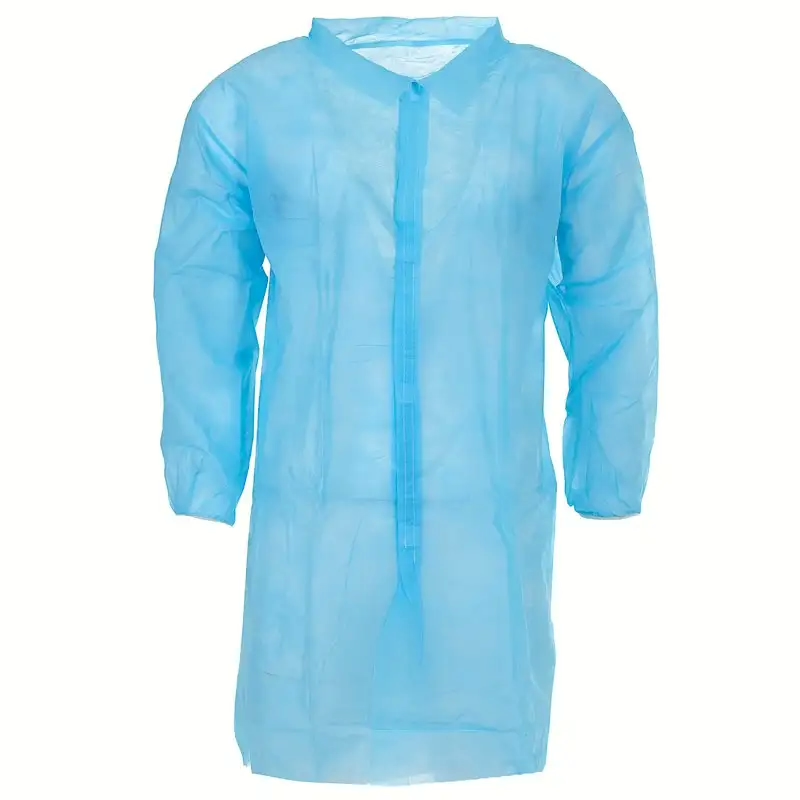
Disposable lab coats are a smart choice when you need effective protection with easy cleanup. Made from lightweight synthetic materials like polypropylene (PP), polyethylene (PE), SMS, and microporous film. These coats offer solid resistance against liquid splashes, dust, and biological particles. The SMS three-layer design strikes a balance between breathability and fluid resistance. Meanwhile, the PE versions offer additional waterproof protection.
Key Benefits for Your Work
- Hygiene-focused: Single-use coats help you avoid cross-contamination between different work zones easily.
- Comfort and Fit: Knit collars, elastic wrists, and knee-length cuts keep you comfortable and covered.
- Quality Assurance: Each coat undergoes careful stitching and quality checks, giving you a reliable garment every time.
- Cost Efficiency: You save money by skipping laundering, storage, and maintenance costs. This is great if you want to simplify your lab attire budget.
These coats suit pharma labs, cleanrooms, and medical sites. Prioritize hygiene and convenience. But keep in mind, they aren’t designed for tough chemicals or long-term use. The materials can tear when under heavy stress.
2. Reusable Cotton Lab Coats

Reusable cotton lab coats offer you a comfortable and breathable option made from 100% heavyweight cotton twill. This material is soft against your skin. It also holds up to daily wear. Makes it great for long shifts where you need to move easily. You will find them ideal for tasks like classroom work, general labs, and healthcare areas with low-risk exposure.
Protection and Use: These coats guard against dust and dirt. However, they soak up liquids fast. So, they aren’t safe for chemical or flame hazards. They work well in places where small spills are common, like veterinary clinics or offices.
Features to Note: Look for models with multiple deep pockets and button or velcro closures for convenience. Cuffs roll up easily. Plus, the fabric can be industrially laundered. Keeps costs low and ensures a tidy look.
Opting for reusable cotton coats helps reduce waste and lowers replacement costs. They also offer hypoallergenic benefits, which is key for those with sensitive skin. Keep in mind that cotton may shrink after repeated washes, so follow care instructions carefully to maintain fit.
Many Medical Uniform Manufacturers China now provide pre-shrunk options and sizing guidelines specifically developed for international markets to address this common concern.
3. Polyester/Poly-Cotton Blend Lab Coats

Polyester/Poly-Cotton Blend Lab Coats are among the most versatile and widely used lab coat types you can find. Made from blends like 65% polyester/35% cotton or 80% polyester/20% cotton, these coats strike a balance between durability and comfort. Leading Medical Uniform Brands often feature these blends as the cornerstone of their professional attire collections.
More polyester makes the coat stronger and wrinkle-resistant. More cotton improves breathability. You’ll often find these in labs, healthcare settings, research, and schools. They’re used for handling non-hazardous chemicals or biological materials.
Key benefits for your workplace
- Durability and cost-effectiveness: These lab coats stand up to frequent washing without fading or losing their shape. They are also made affordably, helping you save money.
- Practical design features: Look for quick-release snaps, knit cuffs, and multiple reinforced pockets ideal for tools and tablets.
- Wide sizing options: Available up to 5XL, fitting diverse team members comfortably. This inclusive sizing approach mirrors the same philosophy used in Custom Scrubs manufacturing.
- Easy maintenance: No special cleaning is needed. Stain and wrinkle resistance help the coat look professional for longer.
Remember, these blends aren’t flame-resistant. They’re not safe for use near fire or flammable chemicals. So, think about your safety needs carefully.
4. Flame-Resistant Lab Coats
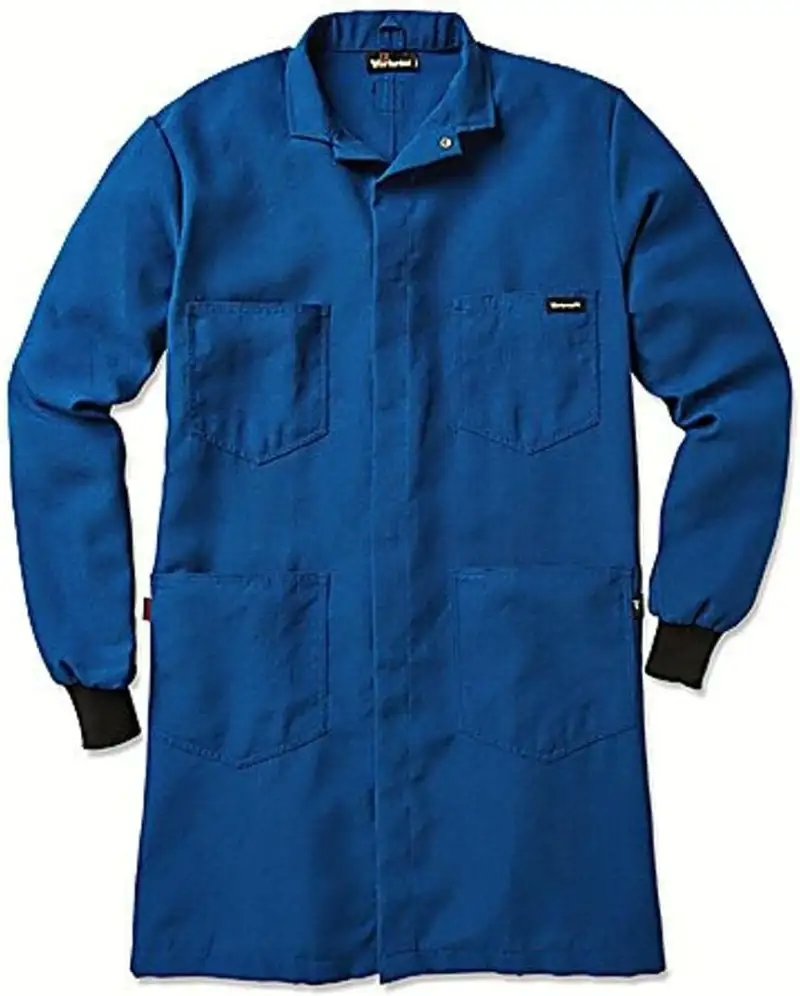
Flame-resistant lab coats are essential when you work around open flames, flammable chemicals, or high-heat equipment. You get strong protection from materials like Nomex IIIA. This blend of Nomex aramid and Kevlar aramid ensures durability and great flame resistance. Some coats use 100% FR cotton treated with flame-retardant chemicals to add safety.
Key Benefits and Features
- High-Level Protection: These coats meet tough standards like NFPA 2112 and ASTM F1506, giving you reliable flame and arc flash resistance. For example, Bulwark’s Nomex IIIA coat has an ATPV rating of 5.2 cal/cm², meaning it protects well against heat and flames.
- Durability You Can Trust: The flame-resistant features stay strong through many industrial washes. This is true, especially for Nomex and aramid fabrics. Long-term safety without constant replacement. This durability is a hallmark quality that distinguishes premium Fire Resistant Clothing Brands in the market.
- Professional Look and Versatility: Navy or royal blue options help you stand out and meet workplace safety colors and standards.
What to Consider
- Higher Cost: These premium lab coats can cost between $80 to $120 each. However, the safety and compliance benefits often outweigh the price.
- Limited Chemical Splash Protection: Unless specially treated, most FR coats don’t protect against chemical splashes.
- Heavier Weight: Some lab coats weigh more, which might feel less comfortable in hot conditions. Newer innovations in fire resistant clothing materials are addressing this challenge with lightweight options that maintain protection levels.
Expert Point: When evaluating FR lab coats for research environments, look beyond the ATPV rating to the TPP (Thermal Protective Performance) value, which more accurately predicts real-world protection during sustained exposure. A minimum TPP of 6 should be your baseline for any environment with continuous ignition risks.
Muhammad K, Safety and Fire Engineer
5. Chemical-Resistant Lab Coats
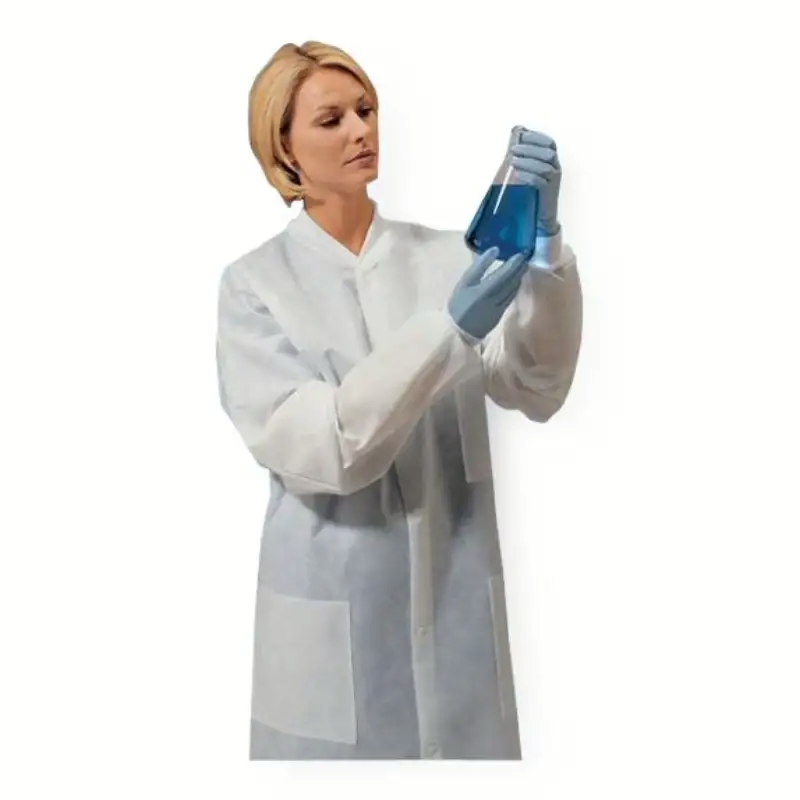
Chemical-resistant lab coats, a vital category of Chemical Protective Clothing. Use strong synthetic materials like neoprene, PVC, and aramid fiber. They provide a dependable barrier against harmful substances. You get better splash protection when using corrosive chemicals like acids or solvents. These lab coats feature sealed seams, snap or zipper closures, and tight cuffs to prevent any chemical contact with your skin or clothes.
Key advantages for your operations
- Enhanced safety compliance: These coats meet strict standards like ASTM F1506 and NFPA 2112. Ensuring you stay compliant with international regulations.
- Multi-hazard protection: Some models also provide flame resistance, ideal if your work involves combined chemical and fire risks.
- Varied options: Whether you need knee-length designs or pocketless styles for contamination control, these lab coats adapt to different work environments.
Considerations before purchase
- Comfort trade-offs: Expect lower breathability and a heavier material than cotton coats. This could affect your movement during long shifts.
- Material compatibility: Always verify the coat’s resistance to specific chemicals you handle. Some solvents, like toluene, may degrade certain fabrics.
- Investment value: Prices range from $50 to $200 per coat. Reflects their durability and safety features. The higher upfront cost can be worth it, as these coats better protect your workforce.
6. Antimicrobial Lab Coats

Antimicrobial lab coats are made from cotton, polyester, or antimicrobial fabrics blends. They are treated with special agents like silver ions or zinc oxide to fight germs. This nano-coating technology helps reduce bacteria and viruses on coat surfaces. Making them ideal for infection control in hospitals, clinics, and healthcare environments.
Key Benefits for You
- Effective Germ Reduction: These coats cut surface microbes by over 90%, lowering infection risks in high-contact areas.
- Long-Lasting Freshness: Antimicrobial finishes slow odor-causing bacteria. Keeping your lab coat clean and fresh longer, even during extended shifts.
- Professional Appearance: They look just like regular coats, so you maintain a neat and polished look without sacrificing comfort. Medical uniform manufacturers in USA typically offer extensive customization options including embroidery and color-coding to align with institutional branding requirements.
Important Considerations
- These coats are not chemical or fluid-resistant, so they don’t replace protective gear against spills or flames.
- The antimicrobial effect can decrease after 20 to 50 washes. Regular checks and replacements are needed.
7. ESD/Anti-static Lab Coats
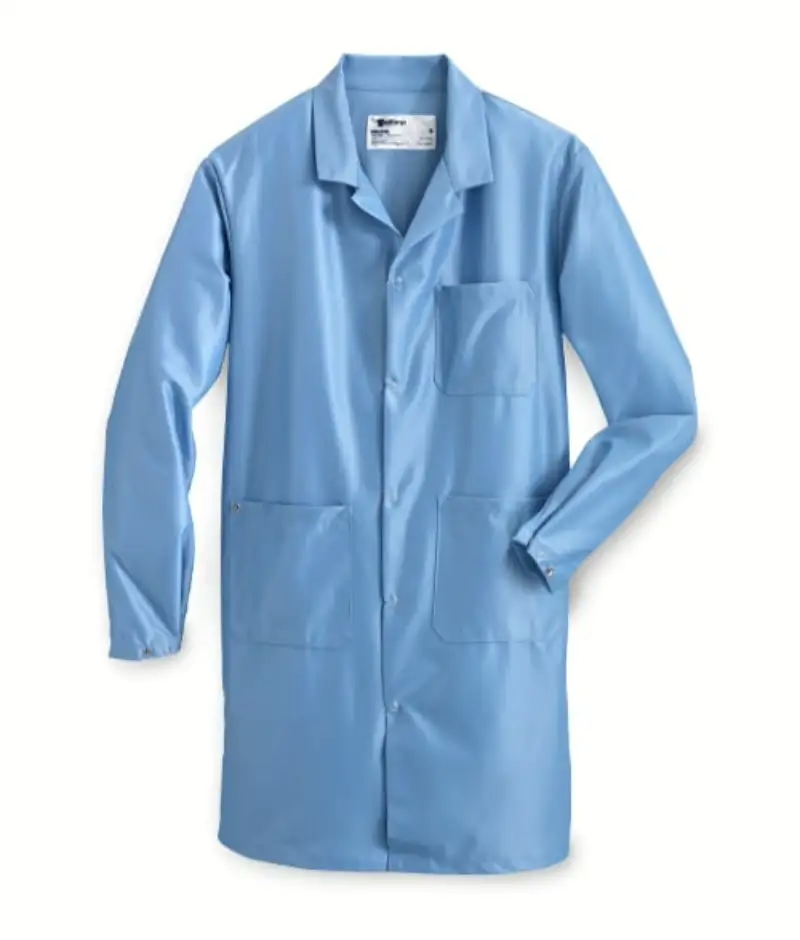
ESD/Anti-static lab coats are essential when working in environments where static electricity can damage sensitive electronics. These coats are usually made from a blend of polyester, cotton, and conductive fibers like carbon or metal threads. A common mix is 66% polyester, 32% cotton, and 2% carbon fiber. This blend is made to safely dissipate static charges.
Why You Need ESD Lab Coats
If you work in electronics manufacturing or cleanrooms, these coats help protect your sensitive components. Prevent static buildup, which can hit 35,000 volts simply from walking on synthetic floors. Wearing them reduces the risk of sparks or damage. It also helps you meet strict industry standards, like ANSI/ESD S20.20.
Key Benefits
- Full static protection: These coats form a barrier to static electricity, protecting both your products and workers.
- Built for safety: Features like snap cuffs, elastic wrists, and grounding snaps enhance their effectiveness.
- Durability: Certain models withstand up to 100 wash cycles while maintaining their anti-static properties.
- Compliance: Meeting global standards boosts your credibility and reduces costly ESD failures. Medical Uniform Manufacturers in Qatar with ISO certifications are particularly well-positioned to produce these compliance-critical garments.
While these coats are not for chemical protection and require special laundering, their value in electronics-related fields is unmatched.
Pro Tip: The greatest misconception about ESD lab coats is that all conductive fibers perform equally. Our testing reveals significant performance variations between carbon, stainless steel, and silver-coated threads—with carbon nanofiber composites outperforming traditional options by reducing decay times up to 37% in high-humidity environments.
8. Cleanroom Lab Coats

Cleanroom lab coats are made from tightly woven synthetic fibers, like polyester or polyethylene. They don’t lint and often have special coatings to control particles and static. This fabric choice reduces contamination risks and supports strict cleanliness standards.
Use these coats primarily in the pharmaceutical, semiconductor, biotechnology, and aerospace sectors. Here, it’s vital to keep out dust, fibers, and microbes. Cleanroom coats shield your products. They fulfill ISO Class 1-10 cleanliness standards, ensuring your processes stay compliant.
Key Features and Benefits
- Low linting and minimal seams: Prevents particle buildup.
- Snap or zipper closures with elastic cuffs: Secure fit for comfort and contamination control.
- Longer length with thumb loops and pockets: Covers your body fully while giving convenience.
- Anti-static properties: Protect sensitive electronics and materials.
- Colors mainly include white, but blue or yellow options exist based on your operational needs.
These coats are more expensive and not as breathable as regular lab coats. Still, their protection level and compliance are vital for controlled environments.
9. Radiation-protective Lab Coats

When your work demands extra protection, specialized lab coats give you exactly what you need. These coats meet all your needs. If you handle chemicals, work in cleanrooms, or need to stand out in busy places, they’re the right choice.
Lead-Lined Materials: These coats use lead or lead-equivalent fabrics that block radiation effectively. This material acts as a strong barrier. Giving you peace of mind when handling ionizing radiation.
Health and Safety Compliance: Wearing radiation-protective lab coats helps you meet strict safety standards. This compliance not only protects your health but also supports your workplace safety protocols.
Proper Fit for Protection: To get full protection, your lab coat must fit well. A snug fit closes any gaps where radiation could sneak in. This ensures you stay fully covered during your work.
Where You’ll Use Them: Professionals like radiologists and X-ray technicians rely on these coats every day. If your work involves radiation, these specialized lab coats are essential gear.
10. Specialized Lab Coats (Industry-Specific)
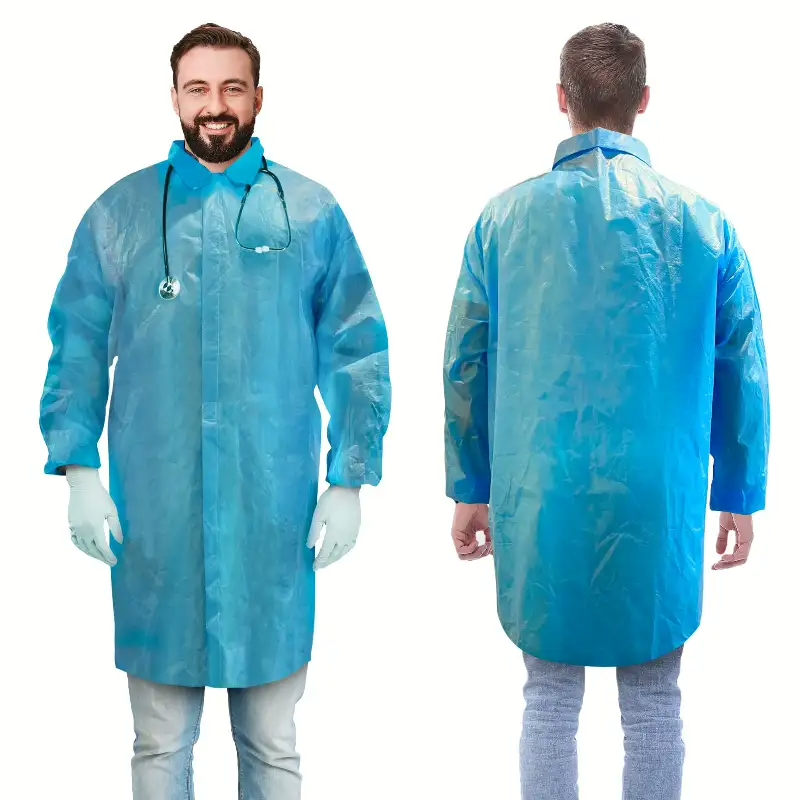
When your work demands extra protection, specialized lab coats give you exactly what you need. Whether you handle chemicals, work in cleanrooms, or need visibility in busy areas, these coats cover all bases.
Waterproof Lab Coats for Wet Environments
Waterproof lab coats, made from materials like PVC or coated polyester, are perfect if you face frequent chemical splashes. They protect your skin effectively in wet labs or chemical manufacturing sites.
High-Visibility Lab Coats for Safety
For busy or low-light areas, wear high-visibility lab coats. Bright colors and reflective stripes help you stay seen. Enhances safety when moving equipment.
Partnering with a trusted workwear Manufacturer in China means access to certifications, fast restocking, and bulk discounts from 10% to 30%. Custom sizing and embroidery help you keep your team uniform and professional.
These specialized coats protect you while meeting industry standards and boosting workplace safety.
Key Factors Businesses Should Consider When Choosing Lab Coat Types

When selecting lab coats, you must focus on industry-specific requirements to ensure safety and functionality. Medical settings often choose white antimicrobial lab coats. These coats have fluid resistance to help reduce infection risks. Pharmaceutical and biotech facilities tend to use disposable barrier lab coats. These coats are made from materials like Tyvek. Help stop contamination and follow GMP regulations.
Safety Standards and Material Choices Matter
Ensure your lab coats meet chemical resistance and flame-resistant standards when required. For instance, Nomex coats withstand extreme heat, ideal for hazardous environments, while Tyvek offers excellent particle barriers. Cotton is soft and breathable, but it isn’t very durable. Poly-cotton blends offer a good balance of cost and long-lasting use. Disposable coats, although pricier per use, excel in contamination control.
Customization Enhances Identification and Practicality
You can customize lab coats by adding logos or choosing colors aligned with your institutional branding or safety codes. Functional features like snap closures and extra pockets improve work efficiency. Evaluating these factors will help you pick the right lab coats. This choice protects your team and keeps you compliant. It’s a smart investment in safety and comfort.
People Also Ask About Lab Coat Types
1. How often should different lab coat types be replaced in a healthcare setting?
Replacement schedules vary by lab coat type: reusable coats typically need replacement after 50-100 wash cycles (approximately 1-2 years with regular use), barrier lab coats should be assessed after 75 washes for integrity, and specialized coats with treatments (flame-resistant, antimicrobial) require replacement when their protective properties diminish. Usually evident through manufacturer testing or visual inspection for compromised fabric.
2. What features should I look for when ordering lab coat types for a research laboratory?
For research laboratories, prioritize lab coat types with chemical resistance appropriate to your specific compounds, proper sleeve closures (knit cuffs or adjustable closures), high collars for neck protection, sufficient pocket configuration for tools, appropriate length based on procedures performed, and fabric weight suitable for comfort during long research sessions.
3. Which lab coat types are most cost-effective for high-volume use?
Polyester-cotton blend or disposable lab coat types often provide the best balance of affordability and durability for businesses needing large quantities. Reusable options may have higher upfront costs but lower long-term expenses.
4. Can lab coat types be used across multiple industries?
Some versatile lab coat types, like basic cotton or polyester blends, can be used across multiple settings. However, for specialized environments (e.g., cleanrooms or chemical labs), it’s best to use industry-specific lab coat types to ensure proper protection.
Conclusion
Don’t leave your lab coat selection to chance when safety, compliance, and your reputation are on the line. Partner with experts or run procurement audits to ensure your choices match your industry’s unique needs, saving you time and money.
That’s where LeelineWork comes in. Our industrial uniform manufacturers specialize in creating customized, high-quality lab coats tailored to your exact needs. Want workwear that’s as functional as it is professional? Reach out to LeelineWork today—let’s craft the perfect uniform solution for your business, together.