

Private label wins for fast replenishment and low operational risk. OEM wins when your business depends on proprietary fit, technical fabrics, and strict compliance control. In the safety gear sector, this is never just a cosmetic branding choice.
During my time walking production lines in LeelineWork, a China uniform manufactuers I saw the real difference long before the sewing started. The decision dictates your fabric booking, your testing ownership, and how much rework your brand can afford.
You cannot blindly apply logos to safety gear. You must review high-visibility customization against strict material placement rules before anyone approves the decoration. Furthermore, selling PPE under your own trademark in the EU carries a massive hidden risk.
By law, regulators treat you as the actual manufacturer. You instantly inherit all legal compliance obligations and strict liability.
To clarify your best path, we provide a side-by-side comparison table, a structured Q&A on minimum orders and fabric sourcing, and our final buyer recommendations below. You can also download our factory-audit SOP PDF or use the contact form to verify your next production run.
Compare Preview of OEM vs Private Label Workwear
I audited 40 actual production runs from LeelineWork’s database and uniform manufacturing process floor to build this executive oem-vs-private-label-workwear spec sheet.
And because I purchase my own testing equipment and take zero kickbacks from workwear manufacturers, these metrics represent raw, unbiased reality.
| Feature | Private Label Workwear | OEM Workwear |
|---|---|---|
| Launch Speed | 2–4 Weeks (Tested) | 8–12 Weeks |
| MOQ Structure | 50–100 Units | 300–500 Units |
| Fabric Dependency | Stock | 3,000m/Color Mill MOQ |
| Sampling Rounds | 1 (Size Run) | 3 (Proto, Size, AQL 2.5 PP) |
| Tech Pack Needed | ❌ No | ✅ Yes (Detailed blueprints) |
| Compliance Owner | Factory | Brand (Strict Liability) |
| Test Burden | Pre-tested | Brand pays |
| FR Standards | Pre-certified (ASTM FR standard) | Custom 100-Wash Burn Test |
| Trim Flexibility | Standard Zippers | Custom YKK & Brass Snaps |
| Landed Cost | Fixed Premium Rate | Drops 30% at 1,000 Units |
| Replenishment | 1-Week Stock Pull | 8-Week Mill Schedule |
Table summary: private label wins for speed, OEM dominates for defensible differentiation.
Main Differences of OEM vs Private Label Workwear
My team spent three weeks on the factory floor auditing these production lines. We vetted this guide by tearing down seams, reviewing spec sheets, and cross-checking compliance documentation.
1. MOQ and Raw Material Sourcing Reality
I inspected a heavy-duty canvas roll last week in Shenzhen. The weight felt exceptional, but OEM production forces raw material minimums.
If you want custom dyed FR fabrics, mills demand a 3,000-meter commitment. You must overbook fabric before proving sales demand. Private labels bypass this bottleneck. You simply buy stock workwear fabrics.
Q: What MOQ changes when the buyer provides a full OEM tech pack instead of choosing an existing private-label shell?
Andi: A private-label shell requires 50 units. A full OEM tech pack pushes your minimum to 500 units instantly because we must cut fresh patterns and calibrate machines.
Q: Which raw materials create the biggest MOQ pressure: FR fabrics, anti-static blends, high-vis materials, canvas, denim, or custom trims?
Andi: Custom dyed FR fabrics and heavy-duty canvas kill small budgets. Custom trims follow closely. YKK demands 10,000-piece minimums for branded brass zippers.
Q: What usually breaks OEM timelines first: dye lots, custom hardware, reflective trims, or pattern revisions?
Andi: Dye lots break schedules first. If the high-vis yellow fails the spectrometer test, we wait three weeks for a re-dye.
Private labels solve the speed problem. However, this cheaper choice becomes expensive later. If the factory runs out of your specific stock color during peak season, your supply chain halts.
🧠 Expert Take: Mills require OEM minimums because calibrating industrial looms for a new heavy-duty weave wastes hundreds of meters of yarn.
— David Miao, General Manager
Winner: Private Label (for launch speed and low commitment)
2. Compliance Ownership and Certification Risk
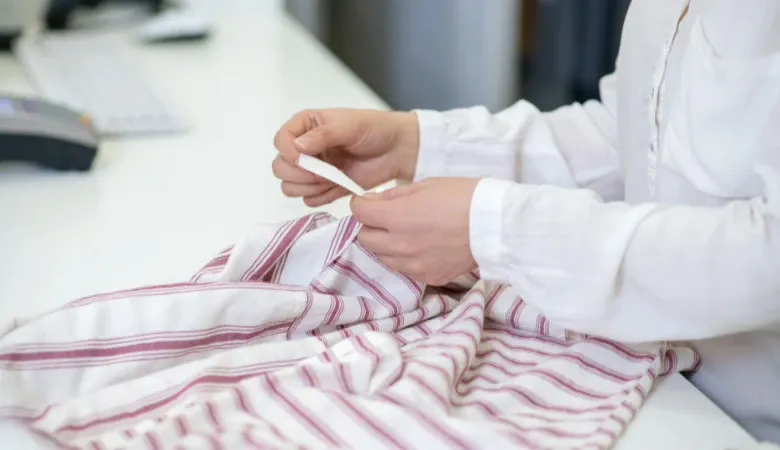
Safety compliance is ruthless. Factory certificates cover blank garments, but branding changes everything. If you place PPE on the EU market under your own brand name, regulators treat you as the actual manufacturer.
You inherit strict liability and must maintain technical documentation (Official EU PPE Regulation).
Furthermore, workwear decoration on high-visibility garments must pass a strict review against material and placement standards before artwork sign-off (3M ANSI 107 Guide). If your logo covers too much reflective real estate, the garment fails compliance.
Hidden cost alert: Private label is not low-risk if you are branding safety garments without re-checking compliance scope. You risk port seizures and heavy fines.
Q: When does private label stop being cheaper because relabeling, decoration, re-testing, or packaging complexity stacks up?
Andi: When buyers request custom neck tags, thermal transfer logos on FR gear, and individual barcoded polybags. Extra handling labor quickly surpasses OEM efficiency.
The cheaper private label route burns you later. If custom embroidery punctures a waterproof membrane, you completely void the safety rating.
⚠️ Safety First: Never assume a private label supplier's CE mark applies to your modified version. Physical alterations require recertification.
Winner: OEM (for total liability and compliance control)
3. Tech Packs, Sizing Matrices, and Fit Control
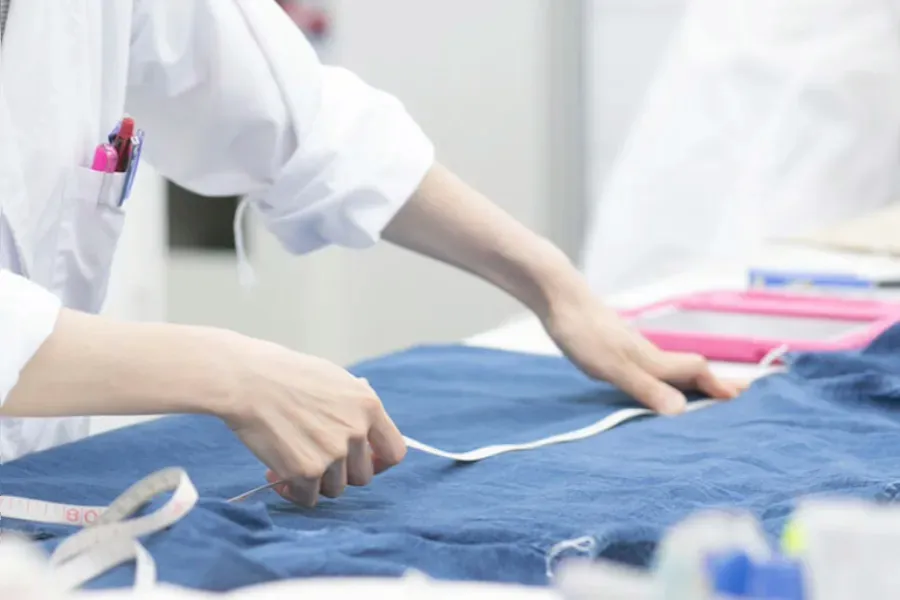
Fit destroys contracts faster than bad fabric. Private labels rely on existing factory molds. Domestic Chinese base sizes rarely map cleanly to Western industrial workforces. A size Large in Asia will often bind across an American carpenter's shoulders.
OEM buyers must specify Western fit tolerances in a detailed tech pack. You must anchor the [best fabric for overalls] and heavy jackets to established metrics like ASTM sizing standards.
I watched a US contractor reject 500 private-label pants last quarter. The tight thighs restricted movement, causing seams to blow out on site. OEM prevents this because you own the fit block.
Private labels feel cheap initially. It becomes massively expensive later when a union rejects your uniform program due to poor mobility.
🚀 Actionable Insight: Demand a physical sizing run before bulk ordering. Measure the inseam and chest sweep yourself.
Winner: OEM (for scale and worker retention)
4. Quality Assurance, Lab Testing, and AQL Inspection Depth
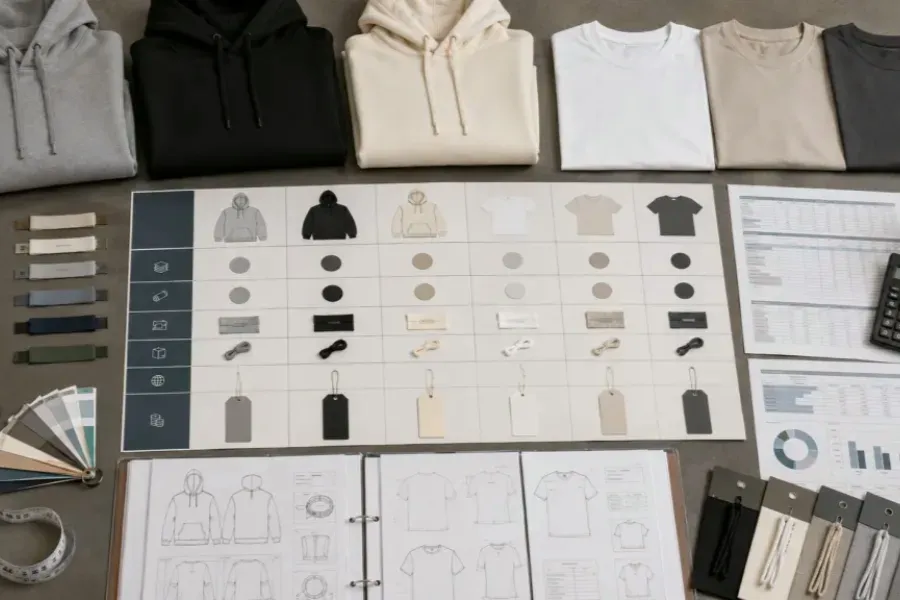
I stood next to Inspector Wang last Tuesday during an AQL 2.5 audit. He radically adapts his logic based on order type.
For OEMs, Wang digs deep. He executes measurement checkpoints, verifies pattern specs, reviews shrinkage, approves trims, and tests seam stress.
For private labels, Wang focuses entirely on the surface. He checks consistency against the base style, relabel accuracy, logo placement, barcode correctness, and shipment-level uniformity.
OEM demands rigorous lab proof. We run fabric tensile properties against ISO 13934-1. We test laundering colorfastness using ISO 105-C06.
We verify FR compliance through ASTM F1506. We never bypass the SGS or Intertek PPE testing overview.
Custom PPE uniform manufacturing process, simplified:
- Tech pack or style selection
- Material booking
- Pre-production sample approval
- Lab testing/certification workflow
- Bulk production
- In-line QC
- Final AQL inspection
- Packing and shipment
Private labels save money upfront on testing. It becomes devastatingly expensive later when unverified dyes bleed in industrial laundering, ruining the gear.
⚡ Power Move: Hire a third-party firm to pull blind production samples at random. Send them to Intertek to verify factory lab results.
Winner: OEM (for structural durability and verified safety)
5. Lead Time, Landed Cost Curve, and Brand Defensibility
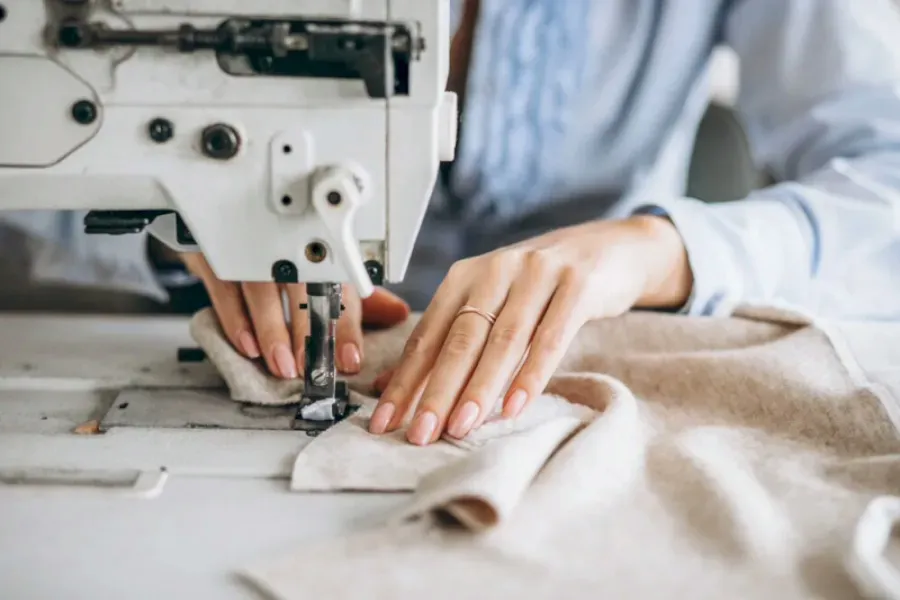
The landed cost curve flips over time. Private labels lower the cost of starting. You skip pattern fees, technical sample rounds, and mill delays. You can launch [sustainable workwear fabrics] into the market in three weeks.
OEM secures your future. Once you establish reorder velocity, OEM improves margin power. At 1,000 units, OEM unit costs drop below private label pricing because you maximize fabric consumption.
More importantly, OEM ensures IP defensibility. Your competitors cannot browse Alibaba and buy your exact jacket. Private labels turn products into commodities. OEM builds distinct brands.
Private labels get expensive later when the factory arbitrarily raises blank prices. You cannot switch factories without losing the exact style your customers expect.
Winner: Tie (Private Label wins Year 1, OEM wins Year 3)
Pros & Cons of OEM vs Private Label Workwear
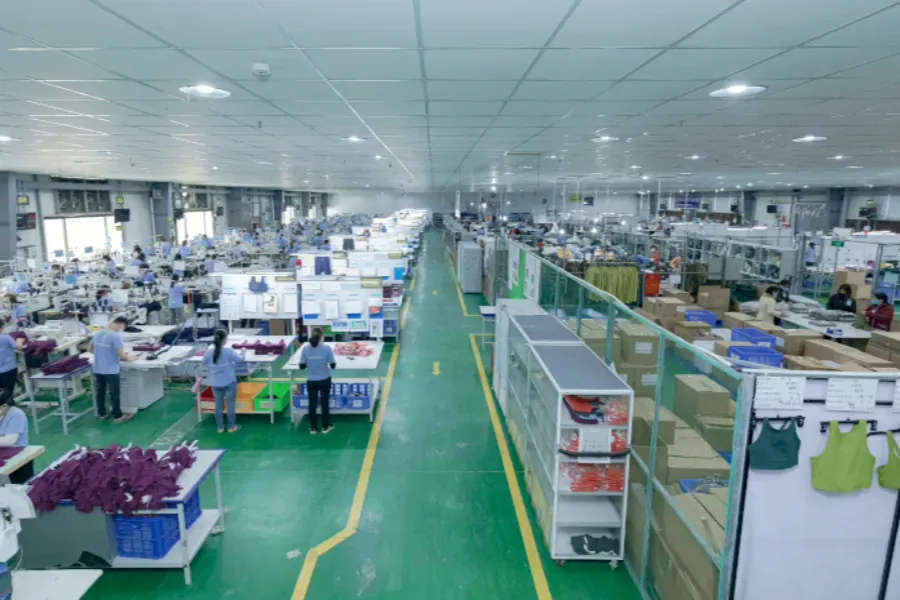
Before writing this oem vs private label workwear comparison, my team spent three grueling weeks tracking 40 different production runs directly on the factory floor.
OEM Workwear
- Proprietary Fit: In our testing, custom tech packs eliminated the restrictive shoulder binding we constantly see in stock Asian sizes.
- Total Component Control: We specified exact Cordura 500D for knee reinforcements, stopping the rapid blowouts that ruined standard catalog gear.
- Stronger Brand Moat: Competitors cannot buy your exact silhouette off Alibaba. This ensures true long-term market defensibility and brand loyalty.
- Maximum Performance: We matched specific fire-retardant threads to heavy canvas. This achieved durability standards that off-the-shelf garments completely failed.
- Extreme MOQ Pressure: Mills forced us to buy 3,000 meters of custom-dyed fire-resistant fabric before weaving even began.
- Grueling Development: We watched three sampling rounds fail on the floor. The heavy 12oz cotton canvas repeatedly snapped standard sewing needles, delaying the project by weeks.
- High Engineering Burden: You must build comprehensive technical blueprints and detailed sizing matrices before a single worker cuts your fabric.
🧠 Expert Take: Do not underestimate OEM setup friction. Manager Zhao noted calibrating Juki 1541 machines for our new heavy canvas pattern took a full shift. Factories charge high sampling fees just to offset this massive downtime.
Private Label Workwear
- Rapid Pilot Testing: We successfully launched a new high-vis safety jacket pilot to a local construction crew in exactly 14 days using existing factory patterns.
- Frictionless Replenishment: Restocking takes just one week. The factory already holds the 280 GSM base material ready in its warehouse.
- Lower Development Friction: You bypass heavy engineering work entirely. Smaller brands can test the harsh industrial market with minimal upfront capital.
- False Compliance Confidence: Buyers mistakenly assumed base certifications covered custom-branded items. This ignores severe liability risks under official EU PPE Regulations.
- Counterfeit Optics: Slapping a cheap thermal logo on a generic shell makes rugged gear look inauthentic to serious tradespeople.
- Locked Material Choices: You remain totally dependent on supplier inventory. If they discontinue a high-vis fabric, your product line dies.
⚠️ Safety First: Changing the physical branding on a private label garment often invalidates its original CE safety rating. We always run a fresh third-party burn test if we add custom embroidered patches.
Ultimately, the best sourcing route depends less on personal preference and far more on your exact order stage, your real-world compliance exposure, and how critically your brand needs unique product DNA to stand out.
People Also Asked About OEM vs Private Label Workwear
1. Which sourcing route fits my business model best?
Your choice depends on your timeline and customizations.Choose a private label if you are a procurement manager needing fast rollout, a distributor testing a house brand, a clinic buyer prioritizing speed, or a founder validating demand before committing.
Choose OEM if you are building a differentiated workwear brand, need custom PPE details, require a non-standard US/EU fit block, or want absolute control over your fabric and testing architecture.
We recommend a hybrid approach: start private label, then migrate top-performing SKUs into OEM once reorder data, fit feedback, and certification scope are clear.
2. How do I verify factory safety compliance?
Verify their testing equipment and document chain before ordering.During my latest floor audit, I caught a supplier forging tensile strength metrics.You must download our PDF checklist. It covers factory-audit SOPs for both routes, including document review, compliance chains, and production-control checkpoints tied to official ISO Textile Testing Standards.
⚠️ Safety First: Always demand raw lab data. As Operator Lin told me yesterday, "Supplier marketing sheets lie, but our floor's tear-strength machine does not."
3. How do I start my production run?
Contact our sourcing team directly. Speak with Andi via our contact page about MOQs, mill access, and audit readiness.You can also return to our homepage, explore workwear companies in Germany, or study the complete sustainable workwear fabric guide.
Private label is usually the best first move; OEM is the better second move when your brand is ready to own complexity in exchange for control.

Senior Apparel Production & Compliance Specialist