




 Traffic
Construction & Oil & Gas Safety Workwear
Hi-vis & flame-resistant safety workwear for construction & oil & gas crews.
Construction, welding, electrical, and oil & gas safety workwear built by the factory to the standard each role faces — ANSI/ISEA 107, NFPA 2112, and EN ISO 20471, sized across the full crew run.

Hazards we build forTraffic & night workHot work & weldingElectricalFuel & staticCold & wet
Failure Modes
Where safety workwear actually fails.
Not in the catalogue — on site, in the audit, and at the reorder. Each failure mode below has a countermeasure built into how we run a safety account.
Failure mode
The countermeasure
01
Wrong hi-vis class for the job
A Class 1 vest on a roadway that needs Class 2 or 3 passes a glance and fails the inspection.
Exposure A non-compliant pull is a full re-order — and a shut-down risk.
CountermeasureRole-to-class map
Built from the site conditions, filed with the program, and applied to every lot we run.
02
Certificates that trace to nothing
A photocopied FR certificate with no batch number and no link to the cartons it covers.
Exposure One untraceable certificate stalls the load or the contract.
CountermeasureBuilt-in docs
Audit documentation is built into the order from the start — agreed up front, not reconstructed the week an inspector calls.
03
FR sizing breaks on reorder
The sample fits, the bulk run does not — so crews wear the jacket open, which defeats the FR garment.
Exposure A re-grade is new patterns across the whole size run.
CountermeasureSealed size grade
Archived per SKU; every bulk lot measured against the approved sample before it ships.
04
One kit for every hazard
The welder, the ground crew, and the electrician are issued the same shirt.
Exposure Re-issuing a role correctly is a second full run.
CountermeasurePer-hazard map
Reflective area, FR rating, and anti-static matched to each role before fabric is cut.
05
Reorder drifts from the spec
A year on, the hi-vis hue shifts and the tape grade changes, so the label no longer matches the certified sample.
Exposure The audit file no longer matches what the crew wears.
CountermeasureArchived spec
Fabric, tape, and colour stored per SKU; every reorder produced and verified against them.
Crew Garment Map
Every role, mapped to its garment.
A safety program is a role map. Each crew gets the garment family at the protection level its work demands — one graded size chart and one class across the whole run.
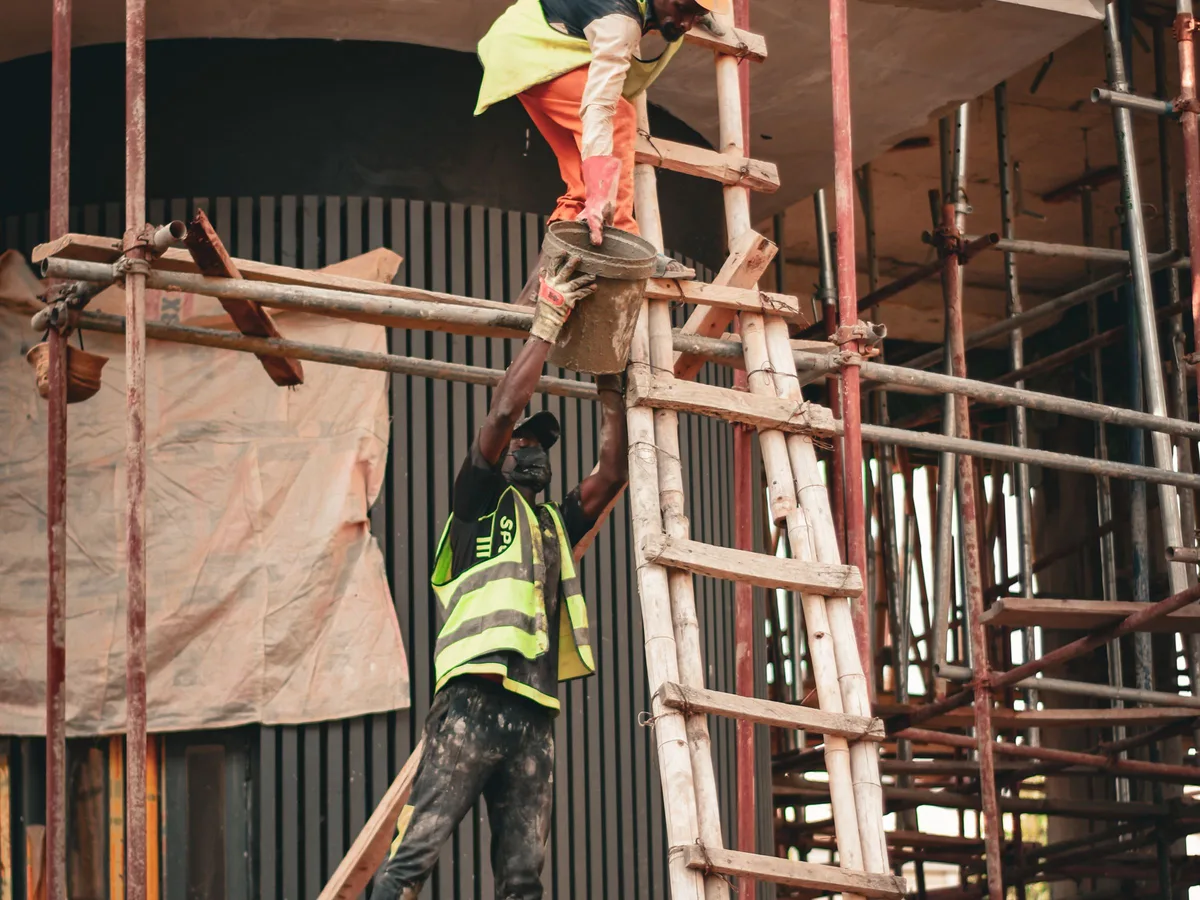
Traffic Molten metal
Welding & Hot Work
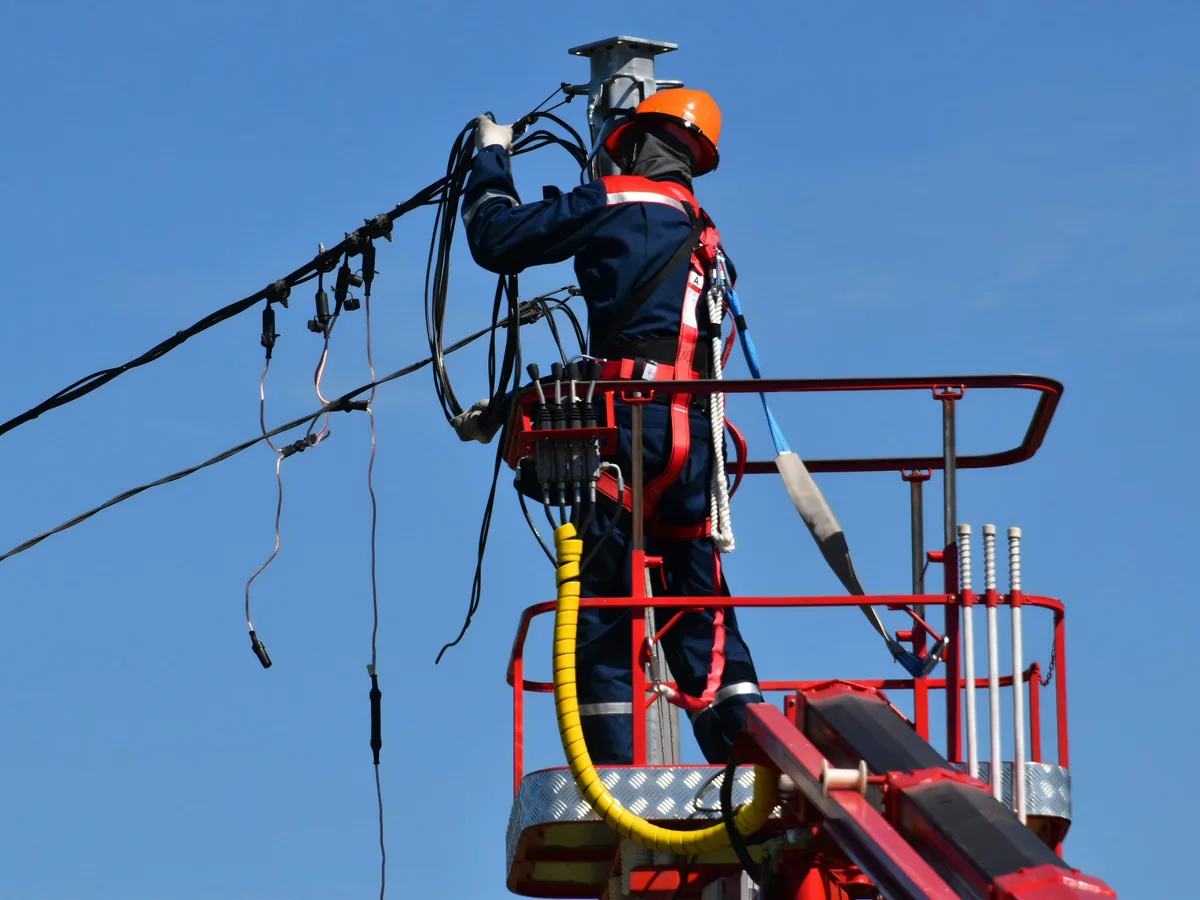 Live lines
Electrical & Utility
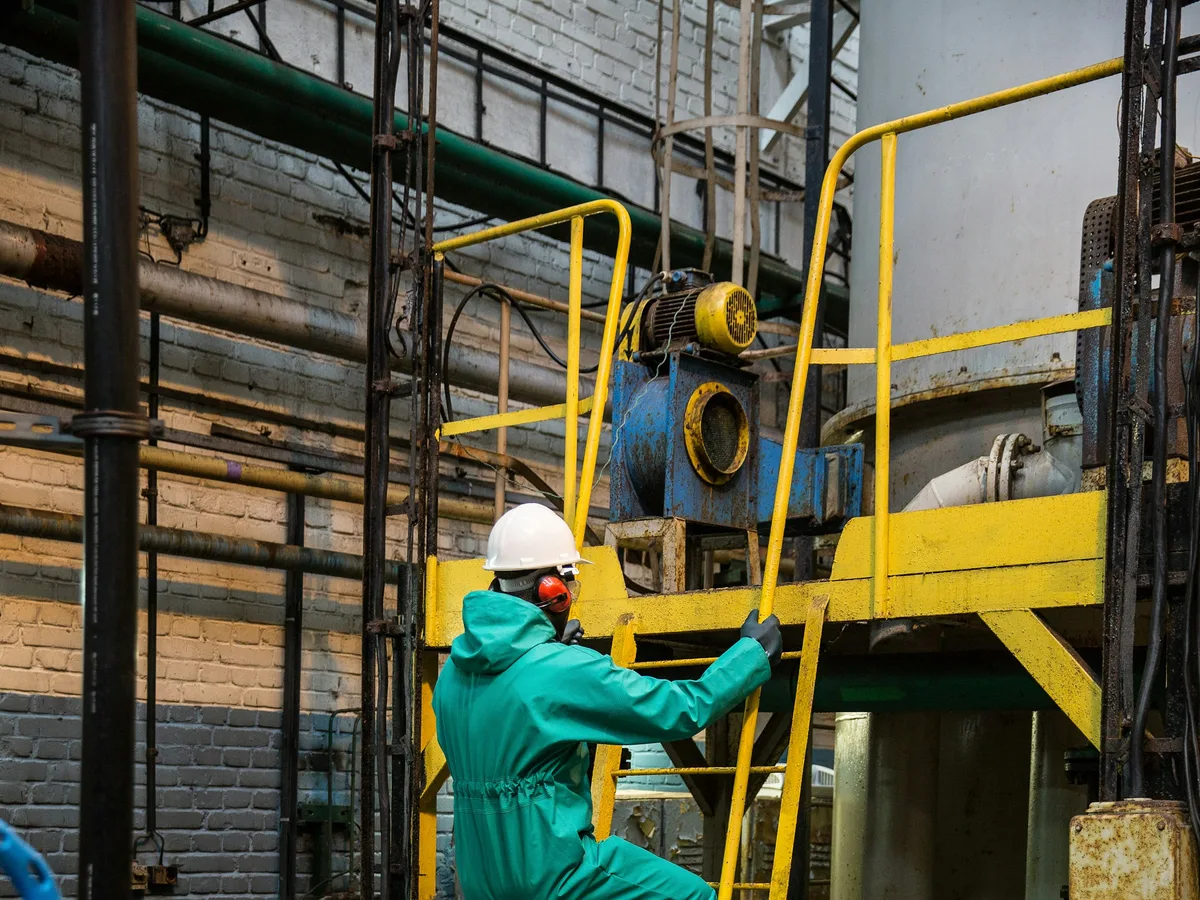 Flash fire
Oil & Gas & Petrochemical
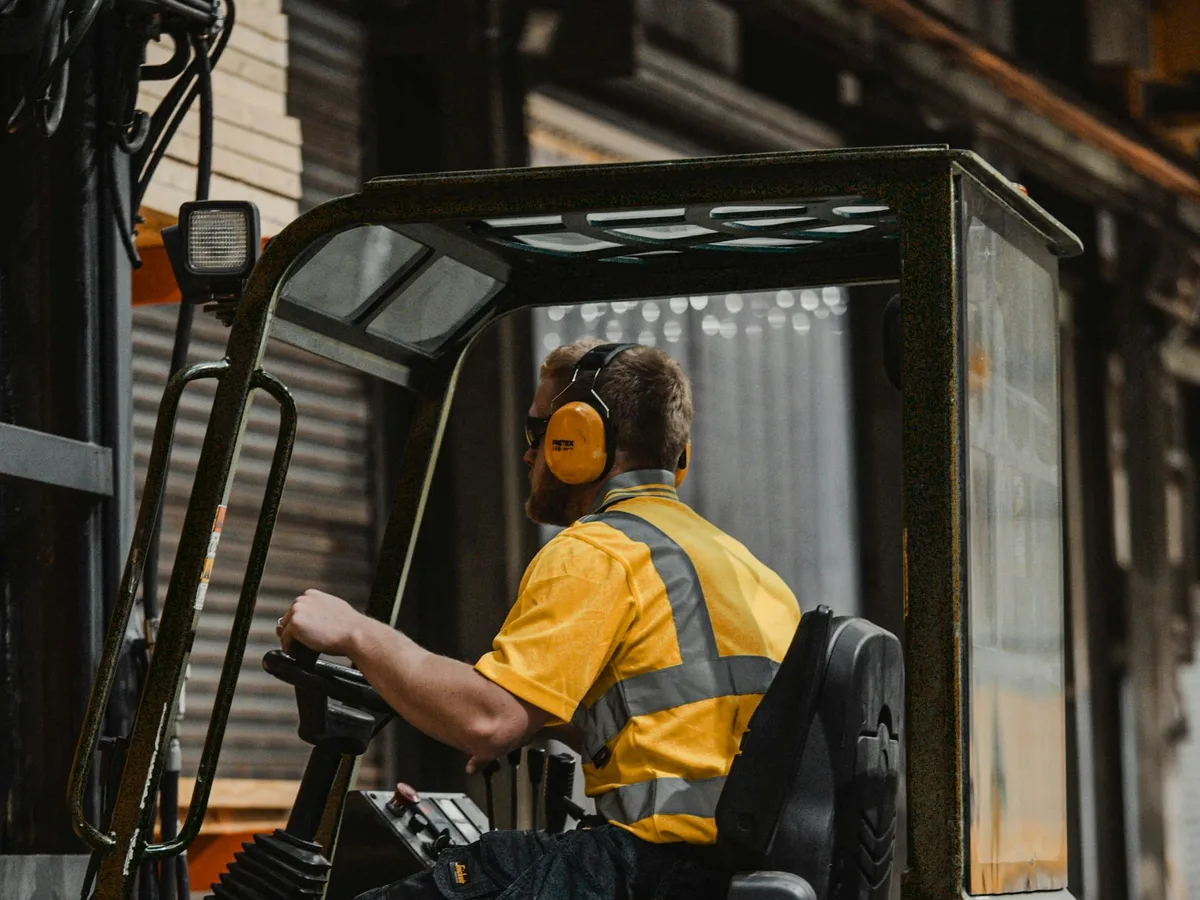 Moving plant
Logistics & Yard
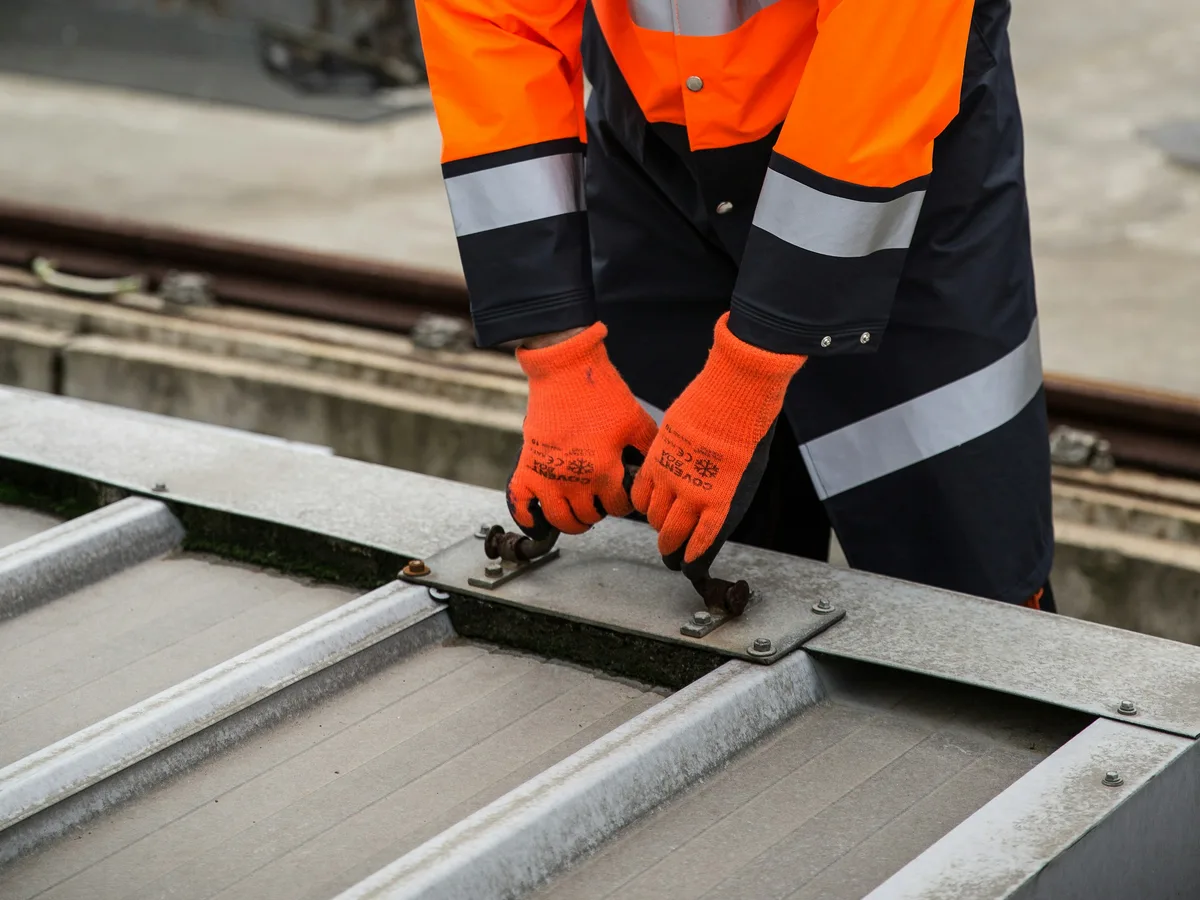 Heat & chemicals
Refinery & Plant Maintenance
Every family — vests, shirts, coveralls, jackets, base layers — is cut to the same graded chart, so a crew member moving between sites keeps the same fit and the same protection level.
The Protection Ladder
Match the class to the hazard — and hold it.
Hi-vis and FR are not one product. Climb the ladder from low-traffic to live-traction work and pick the rung each role actually needs.
Step 1
Class 1
Low-traffic hi-vis
ANSI/ISEA 107 · EN ISO 20471
Yards, warehouses, and off-road work, well separated from traffic.
Step 2
Class 2
Roadway hi-vis
ANSI/ISEA 107 · EN ISO 20471
Roadway and rail crews, operators, and construction near traffic.
Step 3
Class 3
High-risk hi-vis
ANSI/ISEA 107 · EN ISO 20471
High-speed roads, night operations, and heavy plant in live traffic.
Step 4
FR
Flame-resistant
NFPA 2112
Flash-fire protection — welding, hot work, oil & gas, petrochemical.
Step 5
AS
Anti-static
Static-dissipative
Fuel handling, combustible dust, and static-sensitive areas.
How each level holds
Reflective area measured
Laid out to the tape area the class requires, checked per batch — not eyeballed.
Class marking verified
The label on the finished garment is confirmed against the standard before packing.
FR rating traced to the mill cert
The NFPA 2112 rating ties to the fabric lot the garment was cut from.
Archived per SKU
Tape grade and fabric filed by style, so a reorder still qualifies.
Fabric Lab Log
The right fabric for the hazard — verified, not assumed.
Compliance starts with the fabric system. Each one below is chosen for the hazard it faces and tested per lot — not swapped for whatever is cheapest that month.

Welding · hot work · oil & gas
Modacrylic / Aramid FR
NFPA 2112Inherent FR
Inherently flame-resistant blends that do not wash out, rated to NFPA 2112.

Daily FR wear
FR-Treated Cotton
FR-treatedComfort
Treated cotton and blends for a softer hand at a lower cost than aramid.

Roadway · rail · night
Hi-Vis Polyester + Tape
ANSI 107EN ISO 20471
Fluorescent ground fabric with certified retro-reflective tape, laid to the class area.

Fuel · dust
Anti-Static Carbon Grid
Anti-static
A conductive carbon filament grid dissipates static in sensitive areas.

Cold · wet sites
Coated & Weatherproof
WeatherproofFR-compatible
PU and PVC shells that keep FR or hi-vis performance while blocking wind and rain.
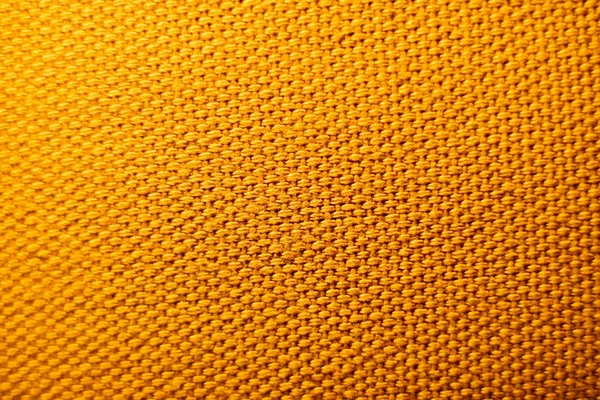
Cold-weather layers
Brushed Flannel & Liners
FR liner
FR-rated insulation that adds warmth without compromising the class or rating.
Every fabric is washed and measured before we quote it — colourfastness to laundering (AATCC 61) and dimensional change after home laundering (AATCC 135) on the finished garment, so the performance holds after the fiftieth cycle, not just the first.
The Batch Dossier
One file, filed by PO, tied to the cartons.
An OSHA visit or a client audit arrives without warning. Every shipment carries a dossier filed per purchase order — each document traceable to the exact cartons it covers.
Batch compliance fileFiled per purchase order · shipped with the loadAudit-ready
01
Fabric mill certificate
Fibre composition, weight, and FR performance for the roll the batch was cut from.
02
Per-batch lab reports
Colourfastness and shrinkage on the finished garment, tested to your wash cycle.
03
ANSI/ISEA 107 / EN ISO 20471 class records
Reflective area and tape grade verified to the class the garment is labelled.
04
NFPA 2112 FR documentation
The flash-fire rating tied to the fabric lot the garment was made from.
05
AQL 2.5 inspection record
ISO 2859-1 sampling results from the pre-shipment audit, per lot.
06
4-point fabric inspection
Incoming roll inspection logged before the fabric reaches the cutting table.
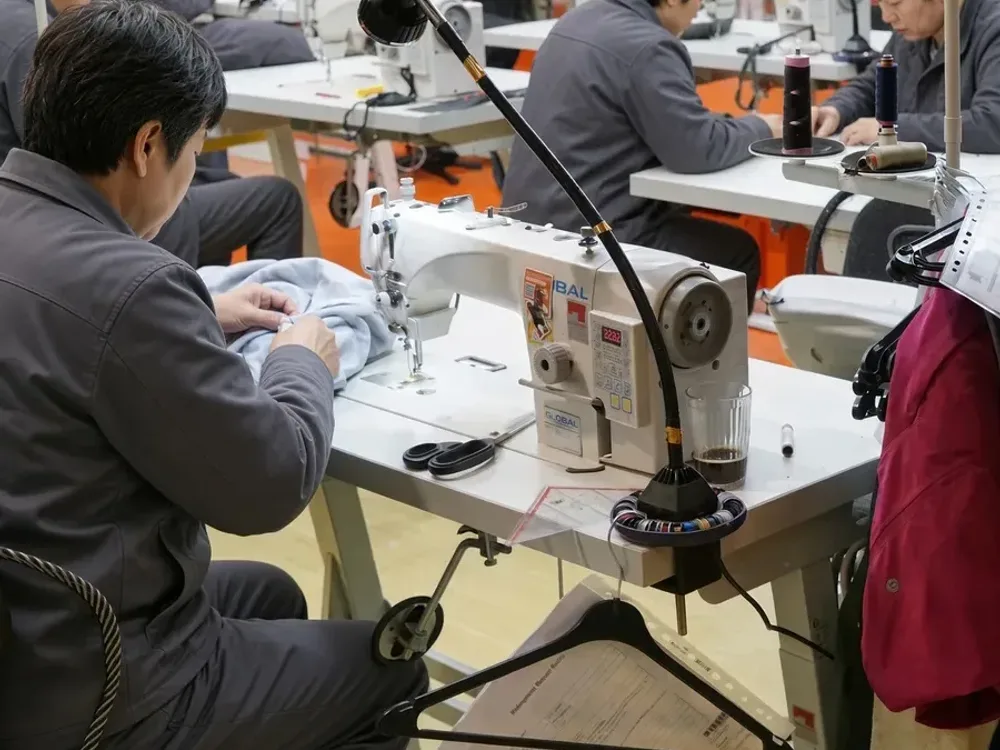
Factory certifications on file
ISO 9001ISO 14001ISO 45001OEKO-TEX 100SMETA (Sedex)BSCI
Reorders ship the same pack against the archived spec — no re-testing for its own sake, and no gap in the file if the fabric and wash cycle are unchanged.
Factory-Direct vs the Chain
One factory, or a chain of suppliers?
The buying decision, dimension by dimension — the way a scattered supply chain handles it, and the way one factory does.
Sourcing model
A broker and a different shop per line
Cut, tape, and pack under one roof — no sub-contracting between sites
Role-to-garment map
A generic catalogue to pick from
One map held on file and applied to every lot we run
Spec ownership
The spec sits with the middleman, not you
Your fabric, tape, chart, and trims archived per program
Class & fabric consistency
Drifts between the shops a broker sources from
One source, so the class and fabric hold site to site
New site later
Re-quote and re-sample every time
Reorder against the sealed sample — the new site matches the first
Lead time
A sourcing leg added between you and the line
Sample in 5 days; production 15–20 days from approval
Pricing
A distributor margin on every site and garment
Mill-direct — one price schedule for the whole program
Minimum order
Container-level minimums per style
50 units per SKU — plan per style, not per pallet
Not every program needs one supplier — but for a crew that has to prove its protection at every site, consolidating the run is what keeps the file intact.
Fit Check
Built for crews that have to prove it.
If your people work to a standard — and you need the class, the fit, and the paperwork to hold from site to site — this is the program.
01
General contractors & trade contractors
One hi-vis and FR spec across every project, so a crew that moves between job sites keeps the same class and look.
02
Oil & gas operators & contractors
FR coveralls and anti-static layers for field and plant crews, with the flash-fire rating traced to the fabric lot.
03
Utility, telecom & rail field crews
Class 2 and 3 hi-vis for live-traffic and night work, sized across the full crew run.
04
Refinery, plant & mine maintenance
FR and hi-vis workwear for turnaround teams, mapped role by role against the site hazard.
05
Safety-equipment & PPE distributors
Resellers who need a factory to run a private-label hi-vis or FR line to a locked spec, with per-batch documents.
Where it is not the right fit
Not for a single finished garment — production MOQ is 50 units per SKU, so plan per style.
We build compliant hi-vis and FR workwear; we do not make certified structural firefighter turnout (NFPA 1971 / EN 469), and we do not offer arc-flash CAT-rated garments.
Restock carries our normal production and freight windows, so rapid local restock is often faster sourced closer to home.
What It Changes
A compliant crew is a risk line that stops moving.
Consistency is not cosmetic. On a safety account it shows up as fewer rejected loads, an audit file that closes clean, and hours back on the safety manager’s desk.
Without a program
With the program
On siteCrews working in whatever fits, under-protected
In specEvery role issued the class and rating its work requires — worn on site, not shelved.
ReorderA fresh sample round on every reorder
10–14 daysReorder without re-sampling — your spec is on file, restock on a one-line PO.
CostA distributor margin added per site and per garment
15–25% belowMill-direct pricing on the same spec, no distributor margin per site.
OrderingA coordinator chasing quotes from every yard
1 specPer-site ordering against the archived program — no local re-quoting.
What protects your program
NNN agreement
Non-disclosure, non-use, non-circumvention — signed before the first spec sheet.
Archived spec library
Fabric, tape, chart, and trims held per program in an access-logged library.
Sealed golden sample
Every bulk lot measured against the garment you approved.
Your IP, never reused
Patterns and tech packs never shown to another buyer or brand.
Testimonials
From safety and procurement teams running workwear across sites.
"
Eight highway and civil sites, and the old supplier shipped hi-vis that looked right and passed nothing. Two foremen got flagged on a night job — the vests were marked Class 2, but the reflective area never held up to the standard.
A hazard assessment went in, and every role came back mapped to a class: Class 2 for the roadway crews, Class 3 for night ops, FR coveralls for the welders. Every lot now ships with the class records tied to the cartons, so when the client's safety officer asks, I hand over a folder instead of a phone call.
Two years in, one spec, eight sites, and not a single compliance flag.
"

Marcus Bell
Regional Safety Director — Civil & Highway Contractor
"
Paperwork was always the weak point. A photocopied certificate with no batch number is worthless the moment an auditor walks the plant — and FR and anti-static gear for field and turnaround crews was arriving with exactly that.
The batch pack now ships filed by PO — mill certs, FR documentation traced to the fabric lot, AQL 2.5 inspection records — each piece tied to the cartons it covers. First client audit after the switch, one email forward and the review closed clean.
Cartons arrive labelled per site, so the store crew issues straight to the lockers. A full day saved on every delivery.
"

Dana Okafor
Procurement Manager — Oilfield Services & Plant Maintenance
FAQ
The questions that decide a safety program,
answered straight.
If your question isn't here, our RFQ desk responds within 24 hours — no sales pitch, just specs.
Production MOQ is 50 units per SKU. Pre-production samples are available from a single unit, and your sampling fee is credited against your first production order above the MOQ. Reorders carry no minimum once your spec is on file.
No — they are three separate windows, and we quote them separately. Sampling is 5 business days with up to 3 revision rounds. Bulk production runs 15–20 days from final sample approval. Enquiry to delivery is 14–21 days end to end, plus 18–30 days in freight once the factory ships. Reorders ship in 10–14 days because the spec is already locked.
We agree the criteria before cutting. Dimensions must sit inside your tech-pack tolerance (±0.5" / 1.3 cm unless you specify tighter). Colour is spectrophotometer-checked to ΔE ≤ 1.5 against your approved Pantone, on the finished garment. Construction and reflectivity are re-checked after the wash cycle your program requires. The sample ships with the fabric mill cert, per-batch lab report, and 4-point inspection record.
That is the core of what we do. Your spec — fabric, hi-vis class, reflective tape grade, size chart, logo placement — is archived per program, and every site order draws from that same record. A site added eighteen months later is produced against the sealed sample and the stored spec, so it lands at the same class and the same fit. Each location is labelled and packed per site so distribution unloads straight to the yard or locker room.
The class is a property of the garment, not the shade. Every hi-vis lot has its reflective area and tape grade verified against the class it is labelled, and every FR garment’s rating ties to the fabric lot certificate it was cut from. Those records are archived per SKU, so a reorder a year later is produced and verified to the same standard — not matched by eye.
We map roles to classes from the conditions, not a guess. Class 1 covers low-traffic and off-road roles; Class 2 covers roadway, rail, and general construction near moving traffic; Class 3 covers high-speed roads, night operations, and heavy equipment in live traffic. Send the job descriptions and site conditions and we return a role-to-class map before any fabric is cut.
Send a reference garment or swatch. Our pattern room reverse-engineers construction, fabric, and hardware, and the dye house matches your colour. Reflective printing, embroidery, or logo placement is locked to your brand guide. Most first programs are a match-or-improve on what a safety manager already runs.
No. We build compliant hi-vis and FR workwear — ANSI/ISEA 107, NFPA 2112, and EN ISO 20471. We do not make NFPA 1971 / EN 469 structural turnout for firefighters, and we do not offer arc-flash CAT-rated garments. If your scope needs those, we will tell you straight rather than quote around it.
Every shipment ships filed by PO with the fabric mill certificate, per-batch lab reports (colourfastness and shrinkage on the finished garment), the ANSI/ISEA 107 or EN ISO 20471 class records, the NFPA 2112 FR documentation where it applies, and the AQL 2.5 pre-shipment inspection record. Each certificate ties to the exact cartons it covers, and cartons are labelled per site. Reorders ship the same pack against the archived spec if the fabric, tape, and wash cycle are unchanged.
Give us your sites. <br/>We'll build the program spec.
Send your sites, roles, hazards, required standards, and quantities — or just a brief. A named engineer replies within 24 hours with a spec and a quote. No sales pitch, no rate-card guesswork.
Sourcing a single garment line instead? See ourcustom industrial uniform manufacturingrange — FR workwear, hi-vis, coveralls, and work shirts.Last updated: October 2026.