


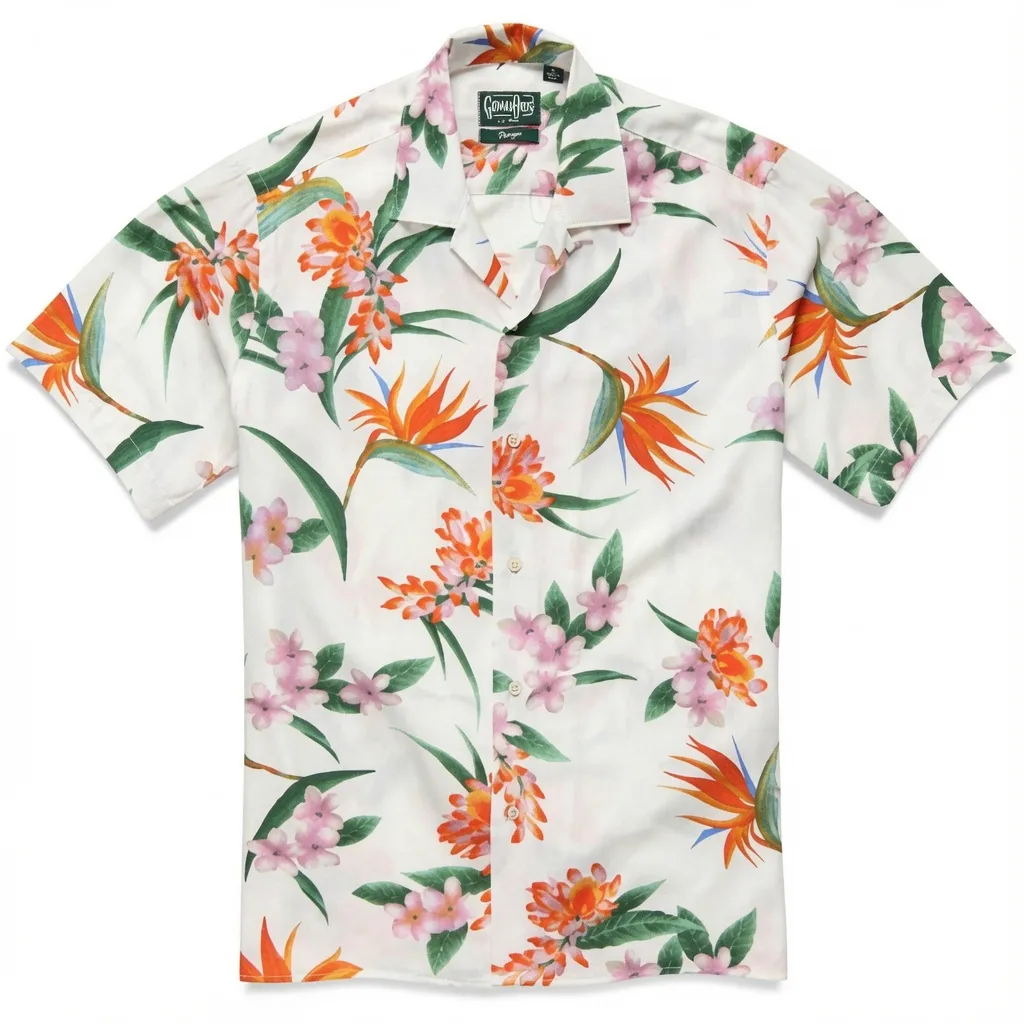


Custom apparel that carries your brand — and keeps your people buying.
For workwear, safety, medical, hospitality, corporate, school, security, and sports-team programmes — and the brands that serve them. We make the garments your teams, staff, and customers actually want to wear — so an apparel order becomes an identity they re-buy, not a box of dead stock.
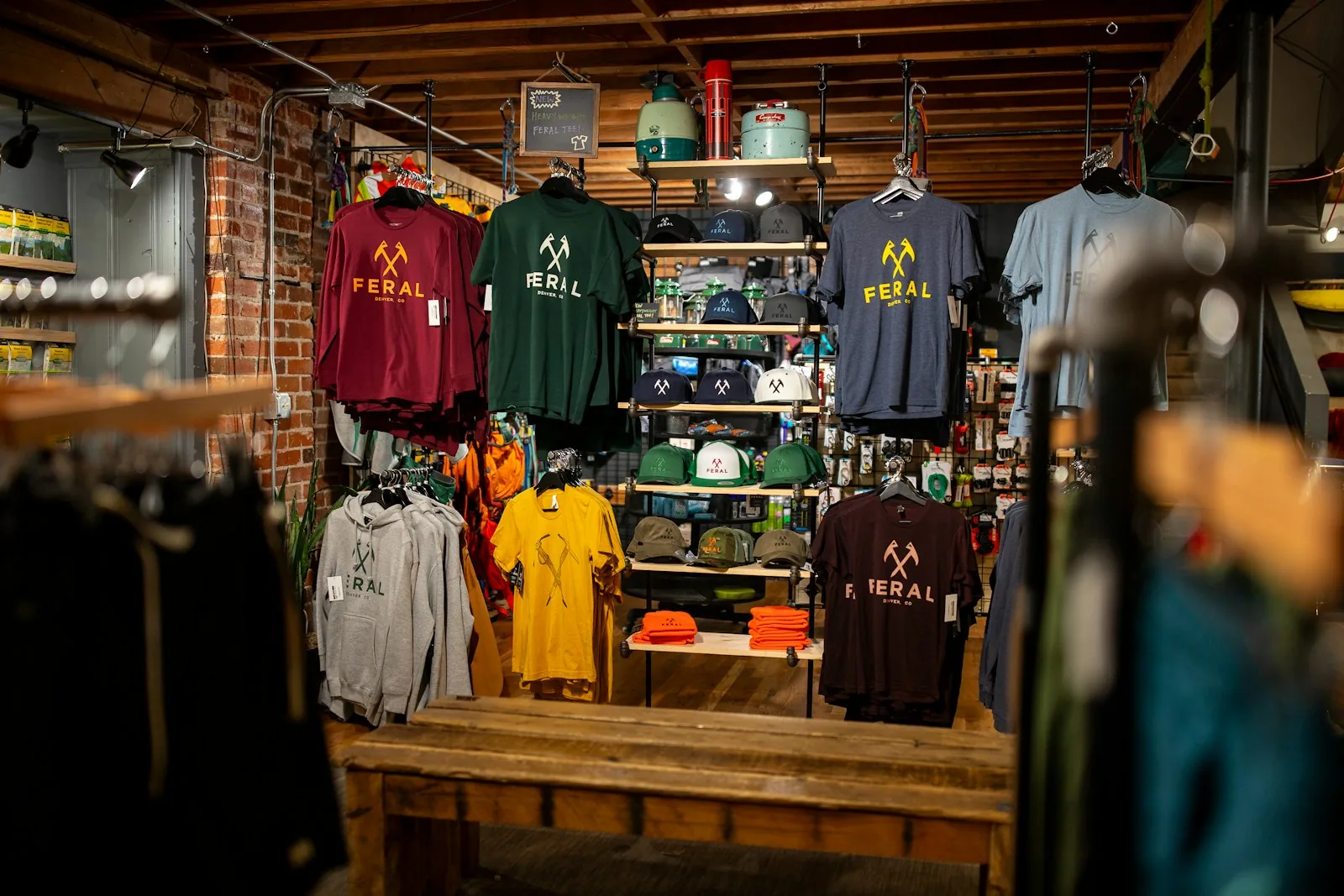
MOQ 50 per SKU · Sampling 5 business days · 15 years factory-direct · No artwork shared between buyers
One factory, one spec, for a line that stays yours.
A named engineer on your account from the first sample to the tenth reorder — no rotating sales desk, and no re-explaining your brand every season.
Most branded apparel loses people before it is ever worn.
A branded programme rarely fails at the factory. It fails across five handoffs — from stock you did not design, to a one-and-done order, to no way to reorder. Each leak costs you a customer, staff, or team touchpoint.
Generic stock
Off-the-shelf blanks with a logo slapped on — nothing someone could not buy anywhere.
No reason to buy from you. It reads as swag, not as the brand.
Wrong sizing
One unisex chart that fits no one well, so the size people want is always out.
Returns, exchanges, and a garment that sits in a drawer.
One-and-done order
A single order for a single event, with no line behind it and no season to look forward to.
A purchase, not a habit. Nothing to re-buy next quarter.
No reorder path
The spec lived with the old supplier, so re-ordering means starting over.
The line quietly dies the moment someone leaves or the supplier moves on.
No identity
Every order looks different — a different shirt each time, no thread between them.
Nothing compounds. People never learn to recognise your line.
One factory, whole line
Tees to outerwear on one spec, one colour system, one fit standard — so every piece belongs to the same brand.
A spec that outlives staff
Patterns, art, and dye formulas archived under your account. Reorder by PO, not by memory.
Built to repeat
A defined order rhythm and reorder path turn a single order into a line people come back to.
None of that is a marketing fix. It is a production fix — the difference between blanks with a logo and a line worth re-buying.
One factory across the lines your brand runs.
The categories a branded programme actually spans — one spec, one colour system, one fit standard, so a line reads as one brand instead of eight separate orders.
| Product line | Who wears it | What we build | Your branding |
|---|---|---|---|
| Workwear & Industrial | Plant, workshop & floor crews | Coveralls, work shirts, work pants, work jackets | Crest embroidery, woven label, hi-vis trim |
| Safety & Hi-Vis | Construction, oil & gas, electrical | ANSI/ISEA 107 vests & shirts, FR workwear | Company mark, class-coded panel layout |
| Medical & Clinical | Clinics, hospitals, labs | Scrubs, lab coats, clinical tunics | Department colour-coding, monogram |
| Hospitality & Culinary | Hotels, restaurants, kitchens | Chef coats, aprons, front-of-house wear | Crest embroidery, coordinated palette |
| Corporate & Office | Multi-office teams, retail staff | Polos, shirting, suiting, blazers | Logo lockup, brand-palette matching |
| School & Campus | K-12, academy & college programs | Student & staff uniform, sports kit | School crest, house colours |
| Security & Aviation | Guards, cabin crew, ground staff | Guard shirts, tunics, cabin wear | Rank insignia, airline mark |
| Team & Sport | Clubs, leagues, campus teams | Sublimated jerseys, shorts, warm-ups | Team name, per-player letters & numbers |
Every line runs from MOQ 50 units per style, and one minimum can be split across a capsule — so a brand can test several lines off a single order.
One factory for the whole wardrobe.
Every category your teams, staff, and customers would wear — on one spec, one colour system, one fit standard, so the line looks like one brand instead of eight orders.
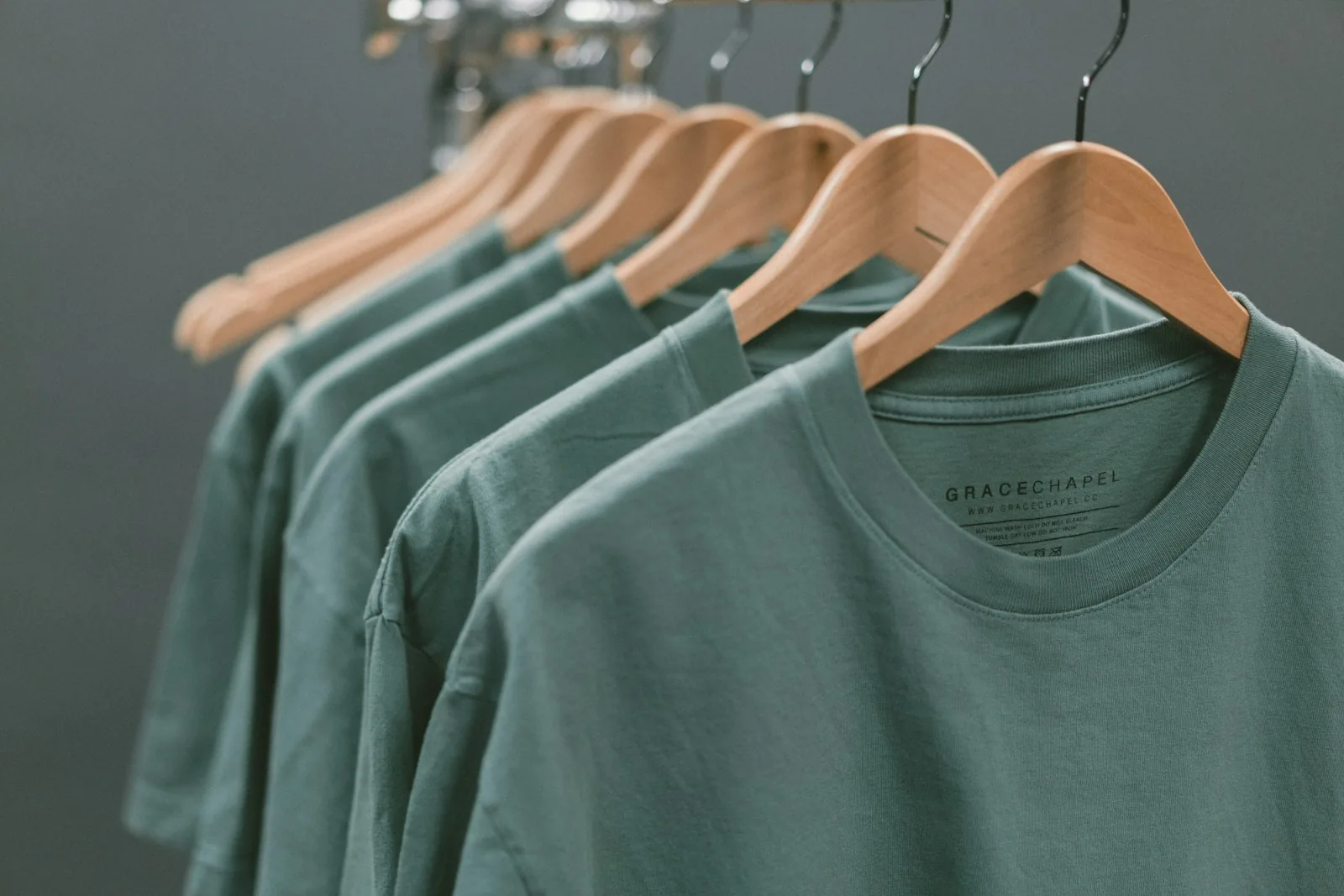
Tees
Everyday line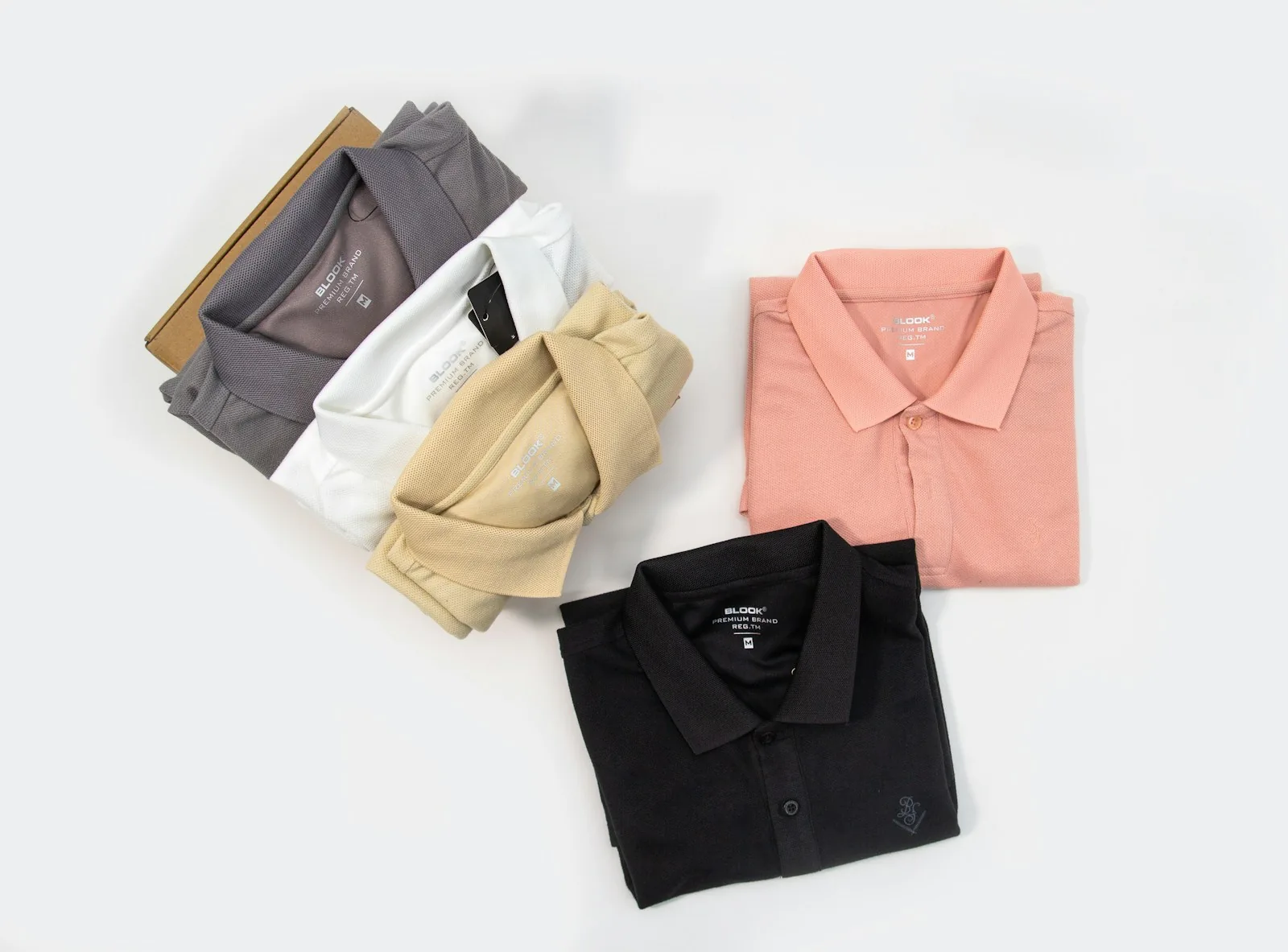
Polos
Front-of-house & field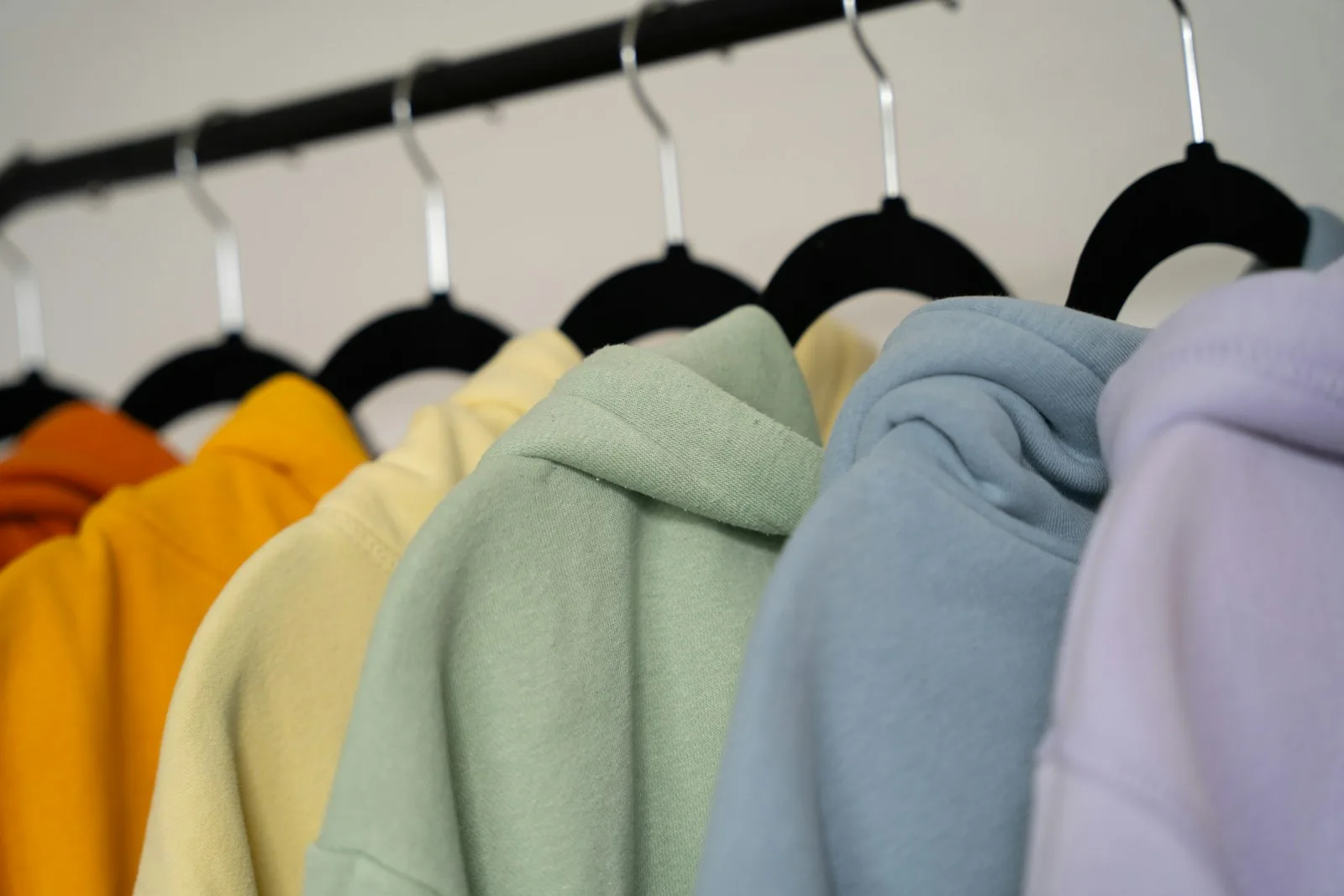
Hoodies
Off-shift & gifting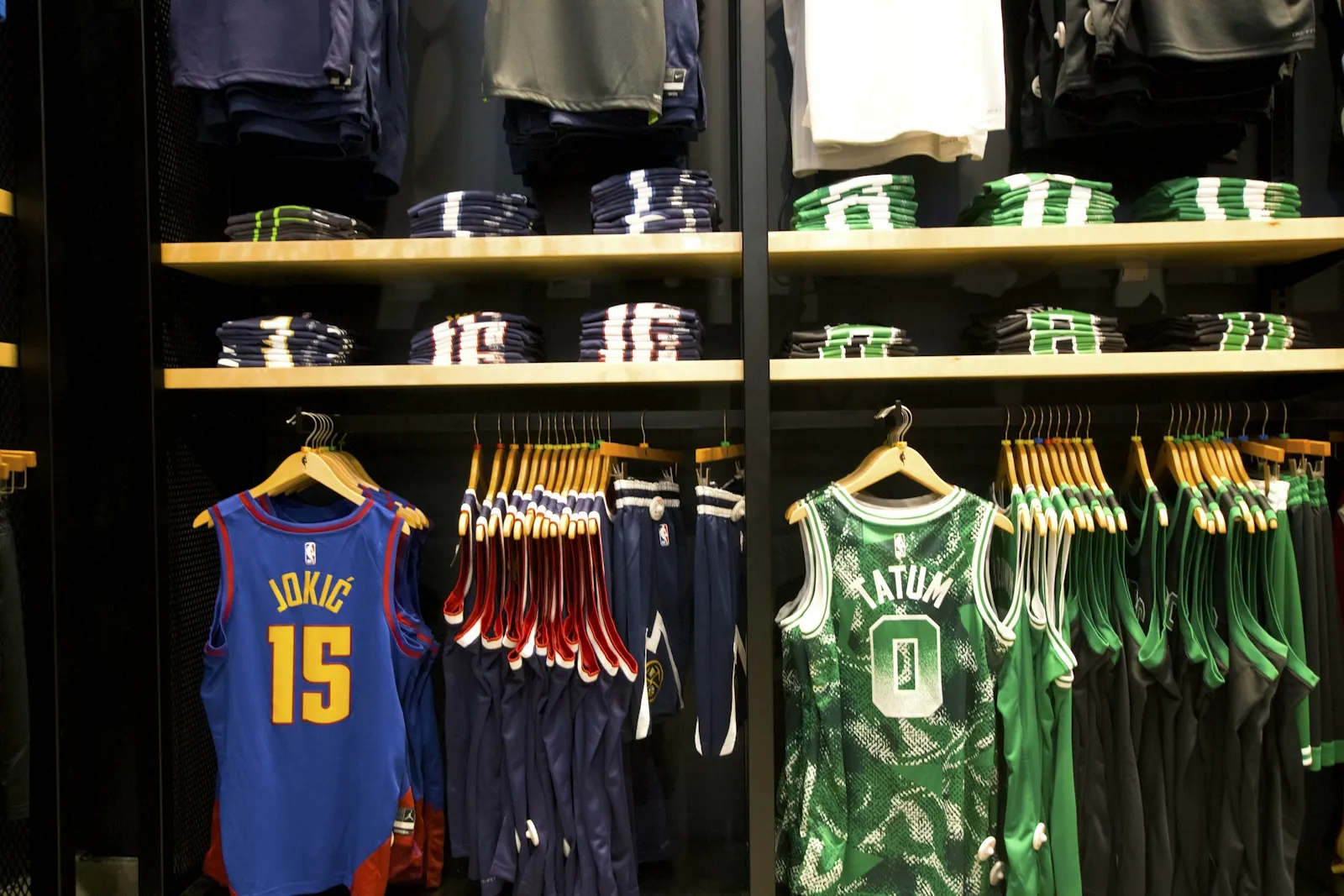
Jerseys
Team & league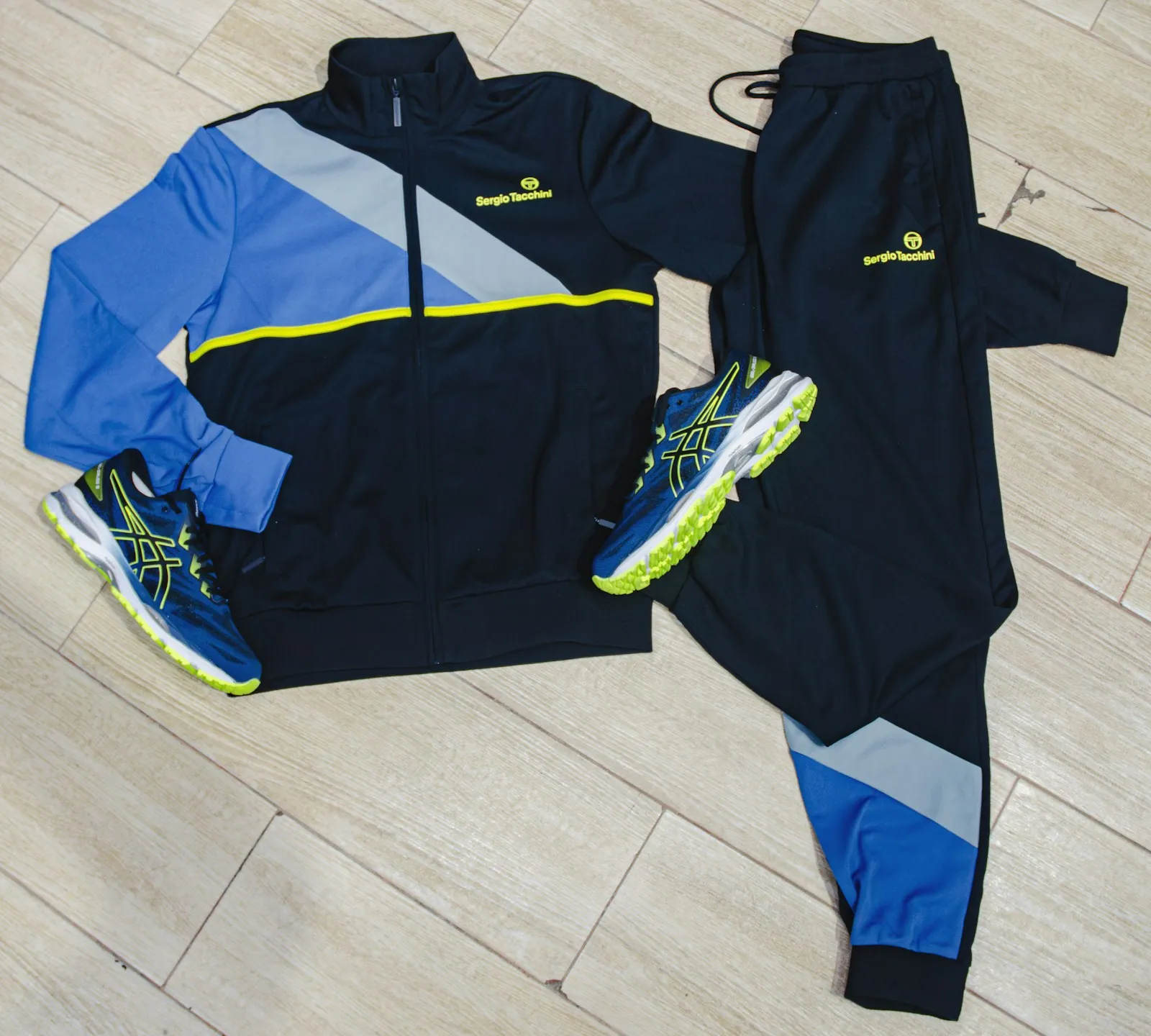
Warm-ups
Training & travel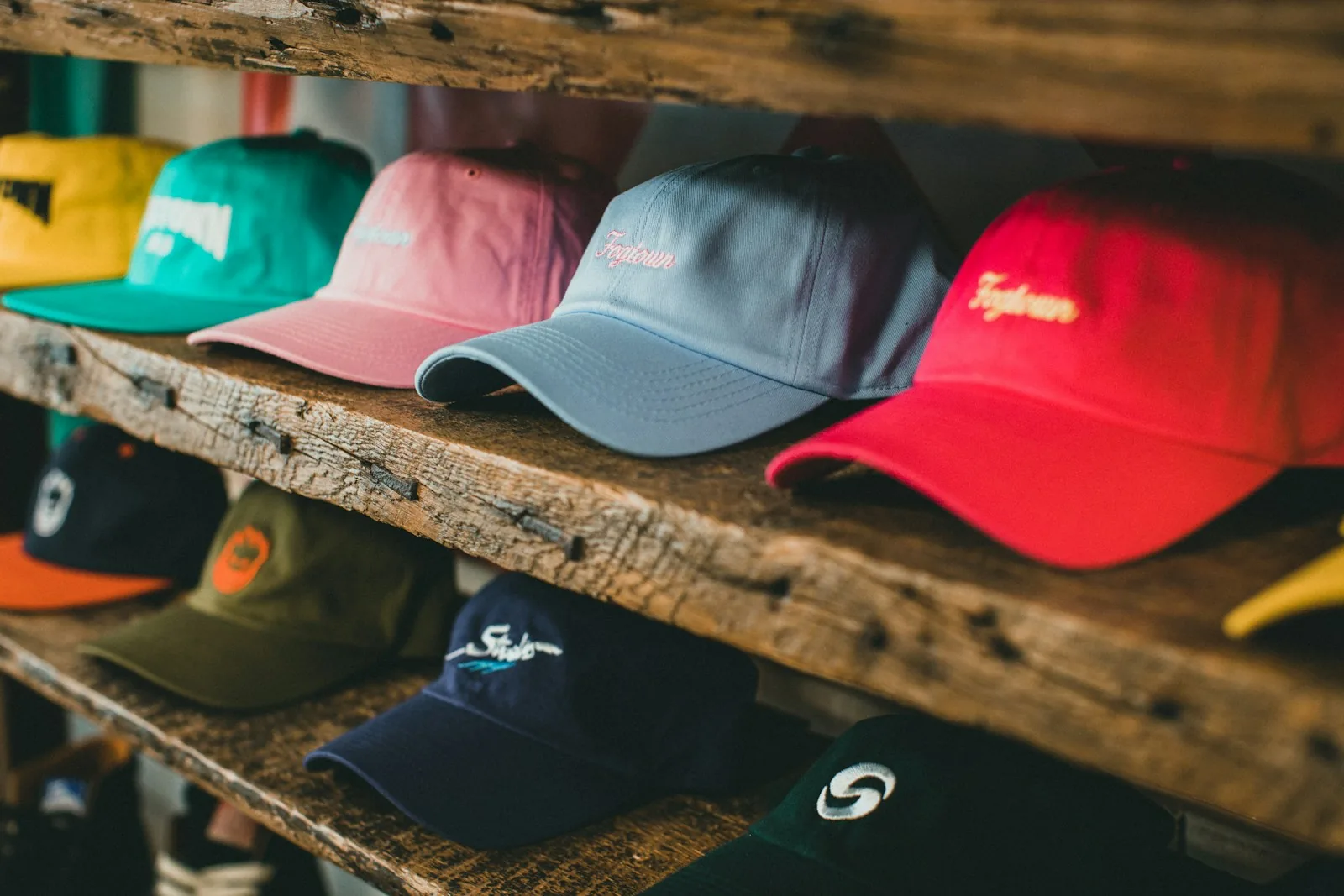
Caps
Everyday & site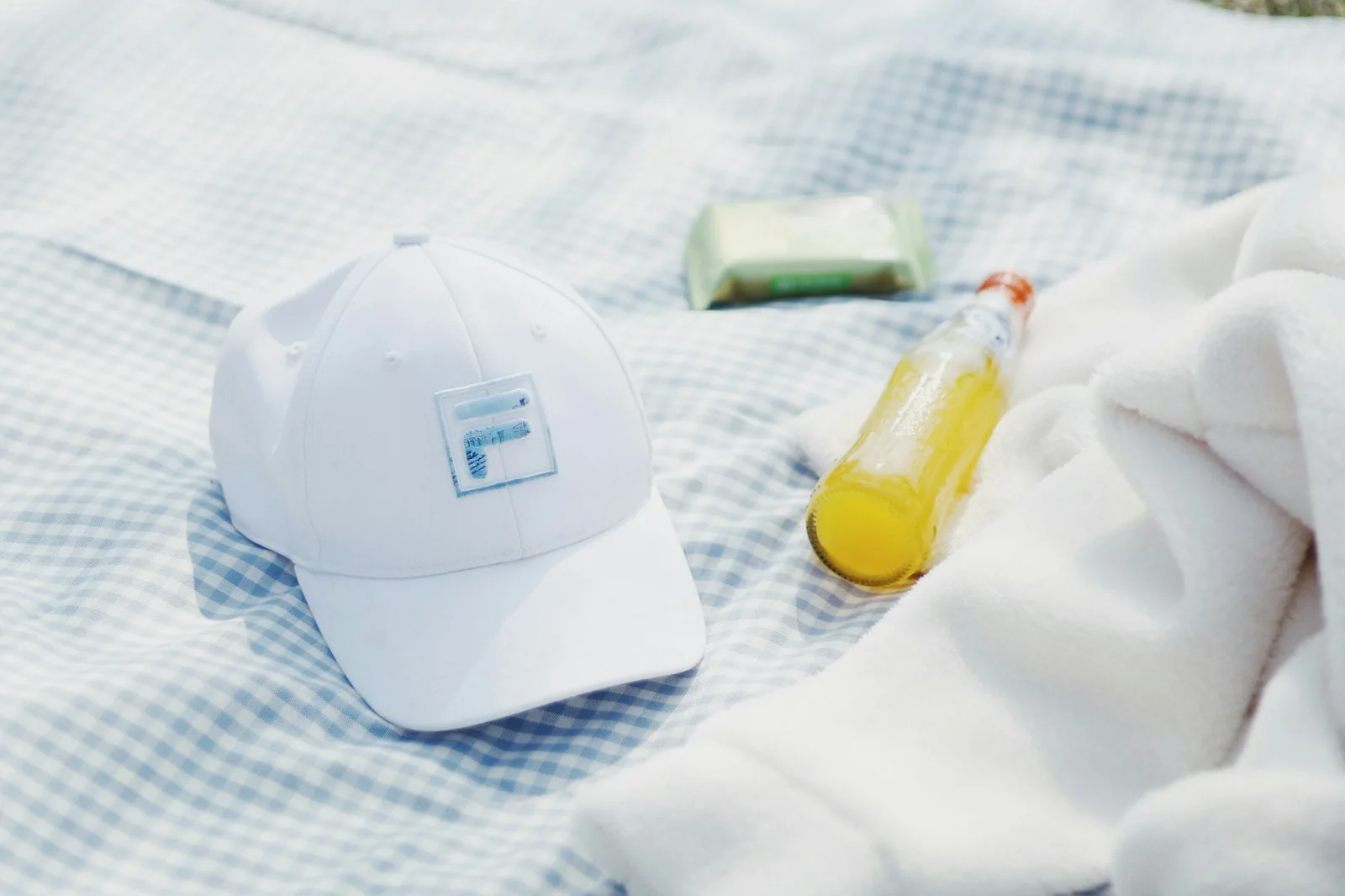
Accessories
Gifting & retail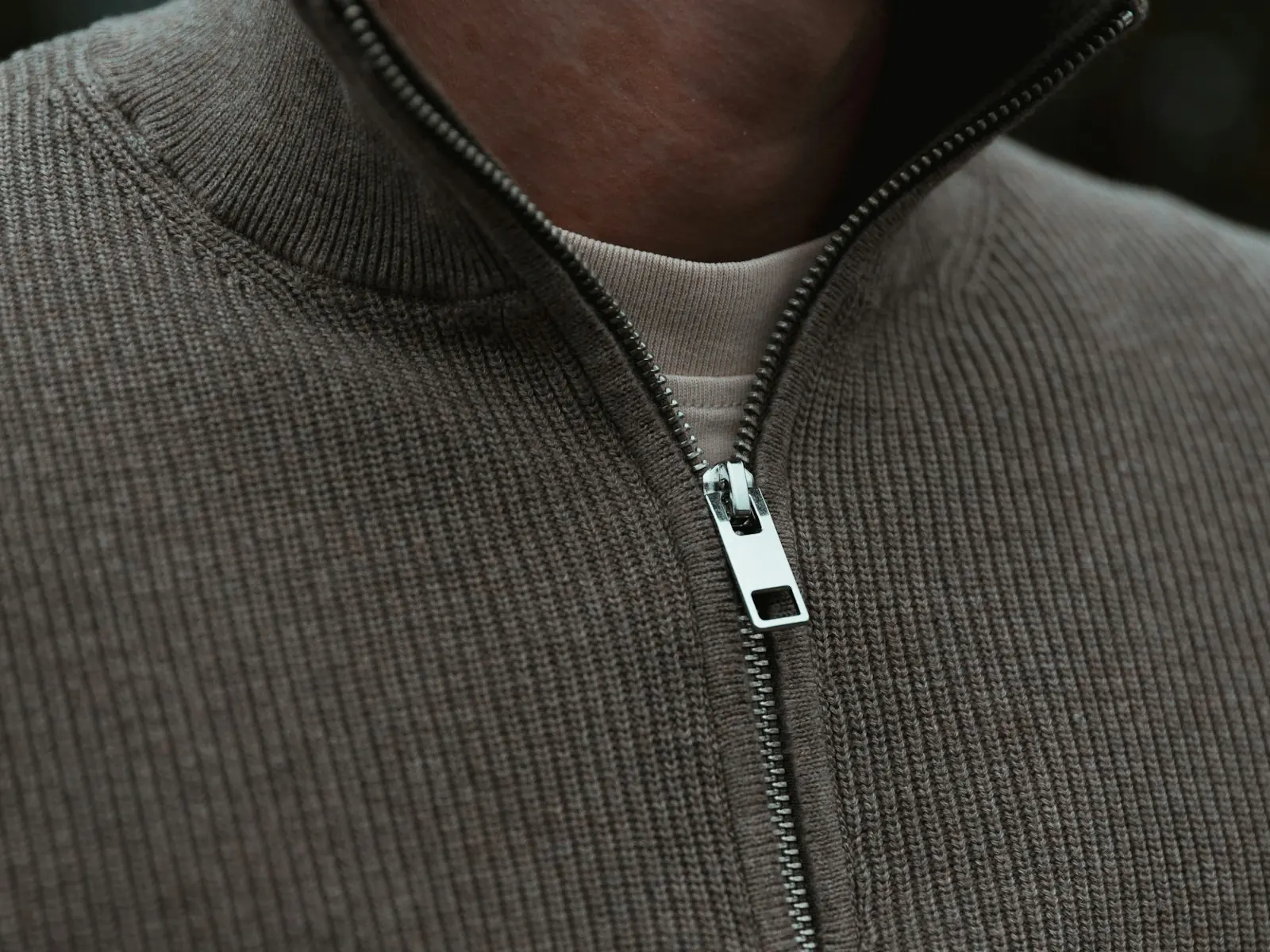
Outerwear
Cold months & site
All eight categories can run on one palette and one fit standard — or drop into the capsules your line actually needs.
A branded line is not a one-off. It is an asset that compounds.
The reason a branded line earns repeat is not the fabric — it is what the garment does every day it is worn. Five mechanics do the work, and each one needs production to get right or it breaks.
Identity you can wear
Someone in your crest or livery is signalling belonging — to themselves and to everyone who sees them.
Belonging is what keeps people attached to the organisation they wear it for. A garment they choose to wear keeps the identity switched on beyond the building.
One team, one look
A shared uniform makes a scattered workforce, roster, or group read as one organisation.
Consistency turns individuals into a visible whole. People who see themselves as part of a team show up more and drift less.
Consistency that compounds
The same look held across sites, shifts, and reorders — not a new shirt every order.
Recognition builds slowly and breaks quickly. A line that never drifts becomes the thing people picture when they think of you.
Staff as your first advert
The people who wear the line daily are seen by every customer, patient, or guest.
Every shift is an impression for the brand. Consistent staff wear makes the product feel real, not a brochure.
A reason to re-buy
A defined line — new starters, seasons, gifting, a fresh drop — with a path to reorder.
A rhythm gives people a reason to buy again rather than once, and turns a single order into a line that keeps earning.
None of these survive a garment that fades, mismatches, or runs out of sizes. The mechanic is the idea; the factory is what makes it hold.
From a moodboard to a product line people buy.
A drop is not a one-off order. It is a repeatable run — concept to retail — and the factory has to carry every step or the rhythm breaks.
- 01
Concept
You bring the art, the crest, or a moodboard. We map it to fabrics, colourways, and the categories that fit the line.
- 02
Sample
A pre-production sample in 5 business days, with up to 3 revision rounds. Colour checked by spectrophotometer to ΔE ≤ 1.5 against your approved Pantone.
- 03
Preorder & MOQ math
Run from MOQ 50 per SKU. We help you size the run to the drop you can actually sell, so you are not sitting on inventory.
- 04
Production
Bulk runs 15–20 days from final approval, on the spec your sample sealed — the same spec every future drop reorders against.
- 05
Retail-ready, blind-shipped
Built to your label and packaging spec, then blind-shipped whichever way your channel needs — to you, or straight to fulfilment — with your brand on the box, not ours.
The playbook is why a second drop is cheaper and faster than the first: the spec is on file, so reorders ship in 10–14 days with the sampling gate skipped.
From a box of merch to a line people ask for.
The shift is not in a dashboard. It is in what your people see when they open the box, and whether they come back for the next one.
A logo dropped onto a blank, re-ordered from a catalogue each time.
A designed line — crest, wordmark, colourway, and fit — that belongs to your brand alone.
The shift · People recognise the line before they read the logo.
One stock size chart; the size someone wants is always the one that ran out.
A graded XS–6XL chart measured to your sizes, so people buy the size they actually wear.
The shift · Fewer returns, and a garment that gets worn instead of shelved.
One order for one event, then nothing until someone remembers to try again.
A drop rhythm on a locked spec, with a reorder path that survives staff turnover.
The shift · Merch becomes a line, not a one-off.
Staff in whatever the supplier had in stock that quarter.
Staff and customers in the same look, on the same palette.
The shift · Every interaction is an ad for the line you sell.
We will not put a percentage on these for you — what a line earns back depends on how you sell it. What we control is that the garment holds up to the promise.
A trading agent quotes you. A factory builds you a line.
The same garment brief lands differently depending on who is actually holding the sewing line. Here is the difference a brand feels over a season, not a shipment.
Direct pricing and a 15 years factory, not a trading desk. Figures are confirmed line by line in your written quote.
Scope a direct line — 24hrStart small. Scale on the same spec.
The hardest call for a new line is how much to bet on it. Start where the risk is smallest, prove the sell-through, then let the winners ride the spec you already locked.
Our production MOQ — the smallest order that still puts a real branded line in front of real people. Prove the concept before you commit stock.
Enough to read sell-through across sizes and colourways, small enough to walk away from a colour that does not move.
Split one minimum across a set — tee, polo, cap — so a drop covers several pieces off a single order, on one locked palette.
Reorders ride the archived spec, so scaling never means re-sampling. Per-unit cost keeps falling as the line proves itself.
Per-unit cost at every tier is confirmed in your written quote — we do not publish a price list, because fabric, fit, and decoration specs move the number.
Size your first run — 24hrThe four defects that end a branded line.
For a brand, a defect does not cost one garment. It costs a wearer who never trusts it again — and tells others. These are the four failures a customer-facing grade lives or dies on, and the gate each one is caught at.
Colour drift
"The second one is not even the same colour."
Colour is read against your approved Pantone on the finished garment — ΔE ≤ 1.5 — before a yard is cut, not eyeballed at the table.
Fading & pilling
"It looked ruined after a month."
Fabric is tested to your programme’s wash cycle — colourfastness, shrinkage, and pilling — so the tenth wash still looks like the first.
Size gaps
"They were out of my size again."
The fit runs XS–6XL on a measured chart, graded to your tolerance, so someone’s size is not the one that always gaps.
Shifting fit
"This one fits nothing like the last."
Every reorder is cut against the archived, signed sample — so run five matches run one instead of drifting toward whatever is convenient.
These are the failures wearers actually notice, and the ones a review calls out by name. Catching them at the gate is far cheaper than answering for them on the floor or in a comment thread.
The documents that keep your line live.
A brand line is only as good as what you can prove and reorder. Every run ships with the paperwork that keeps a reorder exact and a retail channel open — filed by PO, not promised by email.
Batch QC record
AQL 2.5 inspection file, seam- and colour-check records, and the sealed sample reference — so run two is measured against run one, not against a memory.
Colour spec
Your approved Pantone read plus the dye-house formula, archived by style. A drop added next season is produced against the same reference, not a fresh mixing.
Compliance file
OEKO-TEX 100 for harmful-substance testing, plus fabric mill cert and per-batch lab report. The evidence a marketplace, a retailer, or a compliance officer asks for — filed by PO.
Retail-ready pack
Woven labels, hangtags, and packaging finished in your brand — blind-shipped to you or your fulfilment, with nothing pointing back to us.
Everything in the pack travels with the shipment, not in a follow-up email. Ask for the document list in your quote so you know what lands before you commit the run.
Brands and groups who turned an order into a line.
The first time we ran merch, it was blanks with our logo and it sat in a stockroom. What changed was treating the line like a product — one colourway, one fit, a capsule instead of a single tee.
It was the reorder that made it a line. I place a PO from the spec that is already on file and the new run matches the last one, so the range keeps building instead of resetting every season.

Marcus Hale
Founder, Hale & Co. — DTC apparel brand
Our staff wanted a better polo, but the old supplier sent one batch that was a shade off our brand colour and everyone noticed. Branding that does not match reads as cheap.
The reference-garment match fixed it. Every site reorders from the same colour reference, and the capsule — polo, shirt, apron — actually looks like one group. It holds up from the front desk to the kitchen.

Dana Whitfield
Group Uniform Manager, Fairgrove Hotel Group
The things brands and groups
want answered first.
If your question isn't here, our RFQ desk responds within 24 hours — no sales pitch, just specs.
Yes — that is the point of the line rather than the order. You can run tees, polos, hoodies, jerseys, warm-ups, caps, accessories, and outerwear on one spec: one colour system, one fit standard, one brand story. We map the categories to how your people actually wear them, so an order arrives as a coordinated range instead of eight separate orders.
Yes. Everything ships finished in your name — your woven label, your hangtag, your packaging. We are not on the garment. Blind-ship means it can go straight to your warehouse or your fulfilment partner with your brand on the box and nothing pointing back to us.
Colour is locked at the dye house, not eyeballed on the fabric. Your crest or brand swatch is read by spectrophotometer, and every new dye lot is verified against that reading within ΔE ≤ 1.5 — tighter than most people can reliably see — before a yard is cut. The reading is archived under your account, so a style added next season matches the first one.
You do — always. An NNN agreement (non-disclosure, non-use, non-circumvention) is signed before your first file changes hands, and your tech packs, art, and dye formulas live in an access-logged library only your assigned engineer can open. Your designs are never shown to another buyer and never produced for another brand.
Production starts at MOQ 50 per SKU, and pre-production samples are available from a single unit. Run the first line at a size you can actually sell, then reorder from the locked spec as demand shows — reorders skip the sampling gate and ship in 10–14 days. That is how a line grows without sitting on dead stock.
Your brand, layered into garments your people keep.
Tell us who your people are, what they do, and the look you have in mind — or send a crest and a moodboard. A named engineer replies within 24 hours on business days with a line plan and a mill-direct price.
Looking for the production side — fabric, design, branding, and IP terms? See private label manufacturers. Last updated: October 2026.