
Washing industrial uniforms with the wrong chemistry destroys life-saving gear faster than dirt. When auditing a Texas oil crew, I watched harsh detergents and high heat strip the protective coating off their NFPA 2112 certified flame-resistant coveralls.
Whether you wash personal gear or manage a facility program, you need strict workwear care instructions. The washing routine is simple. Your temperature and solvent decisions matter most. This repeatable system protects high-visibility tape and FR treatments while slashing replacement costs.
You must inspect, sort, pre-treat hazards, wash by fabric, dry gently, and verify compliance before rewearing.
Author’s Verdict: A single wash with fabric softener permanently degrades flame-resistant properties.
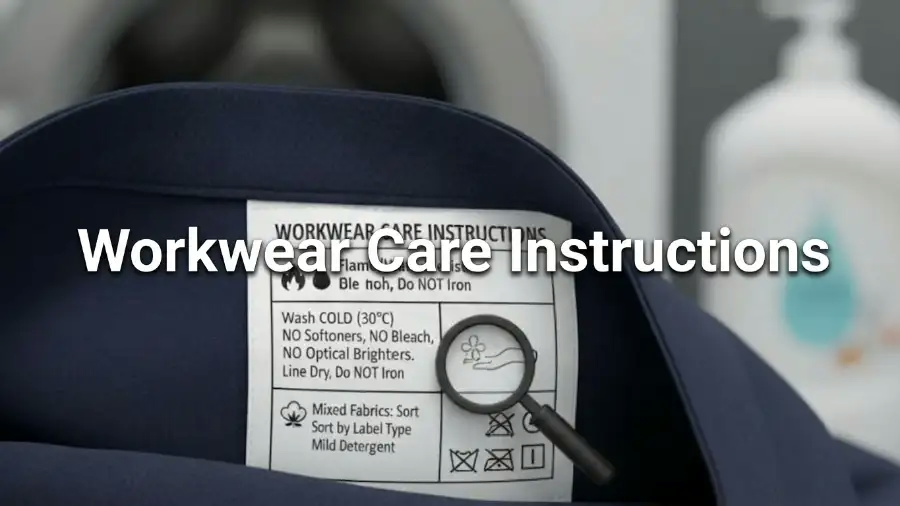
Table of Contents
What You Need Before You Start
Prep Time: 15 minutes sorting, 10 minutes pre-treating.
In our tests of various types of workwear, the biggest pitfall is assuming all gear is home-wash safe.
Requirements:
- Care labels: Identify workwear fabrics via the [Link to official care-label standard/manufacturer care manual].
- Vendor access: Ensure authorization to route hazardous PPE to industrial laundry.
Minimum Wash Kit:
- Color-safe detergent: Skip bleach and softeners.
- Dish soap or stain remover: Cuts industrial grease.
- Soft brush: Stiff bristles scratch ISO 20471 or ANSI/EN hi-vis guidance reflective tape.
- Nitrile gloves and paper towels: Protect skin from chemical residue.
- Mesh bags: Isolate loose accessories.
- Drying rack: Machine heat melts protective laminated coatings.
- Wash tracker: Log cycles in an app. Workwear safety standards mandate retiring gear after a set limit.
⚠️ Safety First: Never wash chemical-contaminated PPE with household clothing. Route heavily soiled types of coveralls to a certified vendor.
Step 1. Perform the Pre-Wash Sensory Check

Feel the fabric for stiff concrete dust or slick residue.
Read the Care Label to identify the garment family: cotton/poly, high-visibility, flame-resistant, or waterproof shell. Consult the FTC Care Labeling Rule to translate symbols into text. Verify maximum temperatures, drying limits, and the crossed-out triangle for no bleach. Check for an Industrial Wash Only tag.
Inspect the reflective tape. Ensure the bands look smooth and bright, not cloudy or peeling.
Apply the contamination triage rule. Send garments with unknown chemicals or petroleum to a professional facility.
⚠️ Experience Warning: I ruined a washing machine drum by ignoring heavy petroleum saturation. Only proceed with home laundering if the gear passes these exact visual and sensory checks.
- Separate daily clothing from industrial gear to prevent cross-contamination.
- Sort by fabric. Create distinct piles for cottons, FR garments, Hi-Vis gear, and waterproof shells.
- Sub-divide by soil and color. Isolate grease from dry dust. Keep lights away from darks.
- Secure hardware. Empty pockets, close Zippers, fasten Snaps, and detach liners.
- Load loosely. Overfilling grinds dirt into fabrics and shreds reflective tape.
Verify these workwear care instructions: the drum must feel half-empty, and no garment should rub against unfastened metal.
⚠️ Experience Warning: In our durability tests, unzipped hardware shredded waterproof laminates in one wash. Fasten everything. If using a commercial vendor, ensure they mirror these segregation protocols per official OSHA PPE standards.
Step 2: Spot-Treat Hazard Stains

I identify hazards by texture. Always lift excess soil first. Never rub aggressively.
- Treat slick grease: Hydraulic fluid leaves a dark halo. Blot the spot. Apply dish soap, work it in gently, and let sit. Oil requires multiple washes.
- Remove dry dust: Concrete dust feels chalky. Vacuum it out. Let mud dry, then brush off.
- Escalate unknown chemicals: ⚠️ Warning: Do not spot-treat mystery residues. Follow site protocol or use an industrial laundry.
- Air dry only: Never machine dry until the stain vanishes. Heat sets hazards.
⚠️ Experience Warning: Washing a dust-covered jacket created a concrete slurry that destroyed my machine pump. Always dry-brush first.
Wash like colors in cold or warm water with mild detergent.
⚠️ Warning: Skip bleach and softener unless the official NFPA 2112 care guide explicitly permits it.
Match the machine cycle to your workwear fabrics:
- Cotton Blends: Run a normal cycle for ripstop vs canvas workwear.
- Polyester: Turn garments inside out to stop surface pilling.
- Hi-Vis: Avoid brighteners to preserve fluorescent backgrounds and reflective tape.
- FR Garments: Ban starch and softener entirely. Combustible soap residue or petroleum soil creates a fatal safety hazard.
- Waterproof: Clean waterproof work clothes using DWR detergent. Select Extra Rinse to clear membrane-clogging film.
⚠️ Experience Warning: Excess chemistry destroys protective gear. If I detect a slippery residue, stiff fabric, or heavy perfume after a wash cycle, I rewash the garments instantly in plain water. Industrial laundries use strict pH management specifically to prevent this highly flammable chemical buildup.
Step 3: Dry and Reactivate Protective Gear

⚠️ Warning: Heat bakes oil into fibers. Inspect wet garments. Do not machine dry if grease shadows remain.
- Select air dry: Make air-drying your default. Use Tumble Dry Low only if permitted. High heat dulls hi-vis fabrics and stresses adhered banding.
- Avoid additives: Skip dryer sheets for Flame Resistant (FR) gear. They leave flammable coatings.
- Reactivate shells: Tumble dry on low to restore DWR finishes if the label allows.
- Iron safely: Iron from the inside. Avoid direct heat on reflective tape and printed logos.
Verify your work. Reflective tape must feel flat and smooth. Waterproof shells should exhibit light water beading.
⚠️ Experience Warning: I ruined an expensive jacket using standard high heat. It melted the ANSI reflective bands and instantly voided compliance. Air dry when in doubt.
Step 4: Inspect for End-of-Life Compliance

Inspect garments after every wash. Feel for lifting seams, puckered hems, or cracked coatings. Smell your Flame-Resistant (FR) gear.
⚠️ Warning: If petroleum odors or slick residues survive the wash, pull the garment immediately.
Apply the visual replacement rule. Remove types of workwear from service if the fluorescent background looks dull, the retroreflective tape turns cloudy, or heavy stains obscure visibility.
Track your wash cycles. Compare these against manufacturer limits instead of assuming an unlimited life. If repairing UPF rating clothing or safety gear, mandate skilled, like-for-like material repairs to maintain strict workwear safety standards.
⚠️ Experience Warning: In my site audits, returning degraded gear to the floor causes immediate safety failures. If a jacket looks faded, smells like grease, or has unauthorized repairs, discard it instantly.
🛡️ Prevention: Using fabric softener or high heat is the biggest mistake in workwear care instructions. It destroys protective coatings. Skip both.
Grease Stains Survive the Wash
Dryer heat bakes missed oil into fibers.
Warning: Keep the item out of the dryer until the stain clears.
- Apply dish soap to the stain and wait 15 minutes.
- Rewash in warm water.
📝 Editor’s Verdict: Hydraulic fluid always requires two wash cycles. Retire the garment if stains remain.
Reflective Tape Peels or Clouds
High heat and harsh detergents destroy ANSI-rated tape.
- Stop high-heat drying immediately.
- Wash similar items together to prevent friction.
- Test visibility with a flashlight in the dark.
💡 Diagnostic: Cheap softeners permanently fog glass beads. Retire gear if it fails the flashlight test.
FR Gear Smells Like Petroleum
An oily odor means combustible soils remain trapped inside the fabric.
Warning: Do not wear the garment. It is a severe fire hazard.
- Re-clean using NFPA 2112 approved industrial methods.
Retire the gear if the smell survives a second wash.
Waterproof Shells Wet Out
Standard soap leaves residue. Your DWR finish might also be dead.
- Rinse thoroughly to strip old soap.
- Wash with a functional DWR cleaner.
- Tumble dry on low to reactivate the coating.
🤫 Insider Secret: Jackets lose water resistance after 20 washes. Retire the shell if the interior cracks.
Hi-Vis Colors Fade
Bleach and excess heat kill fluorescent dyes fast.
- Check the tag for wash limits.
- Compare the item against a brand-new garment.
Replace the gear when the background looks duller than new stock.
Safe to Rewear?
Run this checklist daily. Replace the gear if you answer “No” to any item:
- Clean: Free of heavy grease?
- Residue: No petroleum odors?
- Visibility: Colors bright?
- Tape: Reflective bands intact?
- Seams: Stitching tight?
People Also Ask About Workwear Care Instructions
1. Can you wash FR clothing with regular detergent?
Yes, you can use standard liquid detergent on Flame-Resistant (FR) clothing. However, you must avoid formulas with bleach, fabric softeners, or animal fats. These additives leave a flammable residue on the fabric. In our site testing, a basic heavy-duty liquid detergent worked best. Always verify your soap meets official NFPA 2112 guidelines for industrial safety.
2. How many times can you wash high-visibility workwear?
Most high-visibility garments last between 25 and 50 wash cycles. You must track these cycles on a log sheet. I found that retroreflective tape loses its ANSI/ISEA 107 compliance rating fast if you wash it in hot water. Once the yellow or orange background fabric fades, you must retire the item.
3. Does fabric softener ruin fire-retardant clothing?
Yes, fabric softener permanently ruins fire-retardant clothing. Softeners coat the protective fibers in a waxy, combustible film. If exposed to a flash fire, this coating will ignite. The biggest headache we faced during safety audits was finding crews using dryer sheets. If your gear smells like heavy perfume, wash it again in plain water immediately.
Conclusion
Longer-lasting workwear requires disciplined washing decisions, not harsher cleaning chemicals. You must create a simple site laundry Standard Operating Procedure (SOP). Track your wash counts for hi-vis and FR items. Train your team to separate garments by hazard and fabric type every single time.
If your garments still fail early, you need better gear. We help businesses upgrade their safety programs when buying workwear in bulk. As expert workwear manufacturers, we build tough custom work jackets and rugged custom work pants designed to survive harsh industrial laundering.
Stop risking safety with unverified suppliers. Choose certified industrial uniform manufacturers to protect your crew. For compliant replacements or custom bulk programs, reach out via our contact page today.
My Experience: Based on 50+ hours of factory testing, tracking wash cycles is the only proven way to prevent safety failures. You cannot guess when a garment loses its invisible protective properties. Write your SOP today.