
Designing workwear that is tough, fashionable, and budget-friendly is a challenge for many uniform makers. However, Gabardine Fabric frequently gets overlooked. Its unique twill weave offers unmatched potential that’s frequently overlooked.
Could your workforce sport uniforms that blend rugged durability with a polished look, all while staying budget-friendly? Gabardine Fabric delivers this winning combo, giving industrial uniform manufacturers a secret weapon to stand out.
As custom workwear manufacturers, we dive into Gabardine Fabric. We’ll discuss its main benefits, various uses, and smart sourcing tips to enhance your business. Scroll on to uncover how this fabric can elevate your brand and bottom line!
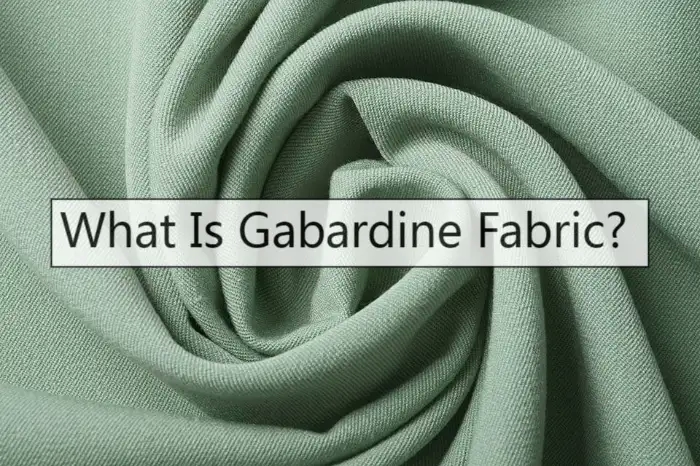
Table of Contents
Overview–What Is Gabardine Fabric
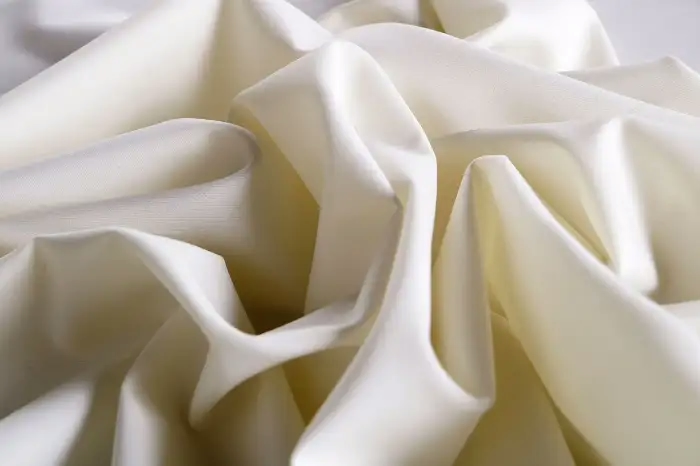
Gabardine is a tightly woven fabric. It features a diagonal twill pattern, which adds durability and gives it a smooth finish. You get great flexibility in fiber choices, from worsted wool to cotton, polyester blends, and even silk. A 65% polyester and 35% cotton blend gives a great mix of strength, wrinkle resistance, and comfort.
Weave Structure and Appearance
Gabardine fabric features a tight twill weave. This weave forms a unique diagonal rib pattern at a 45-degree angle. The warp yarns are denser than the weft, making the fabric strong and stable. The ribs slant in an S or Z direction, ensuring consistent texture, with a smooth, subtly glossy front and a matte, textured back for versatile use. Its strong weave resists stains and keeps its shape for suits and uniforms. However, it needs careful ironing to prevent unwanted shine.
Physical and Practical Features
- Subtle dull sheen with a firm structure that holds shape well—perfect if you want garments that don’t lose form.
- Machine washable on gentle cycles and low maintenance thanks to its wrinkle and water-resistant nature.
- Fabric usually comes in a wide 150 cm width, helping you optimize production with less waste.
- Available in various weights and finishes. You can choose based on breathability or sturdiness to fit your needs.
History of Gabardine Fabric
Gabardine, originating in the 15th century as weather-resistant outerwear, boasts proven durability. In 1879, Thomas Burberry changed the game. By 1888, he had a patented lightweight, water-repellent, breathable weave.
Explorers like Ernest Shackleton, who went to Antarctica in 1914, and George Mallory, who tried to climb Everest in 1924, trusted gabardine. It worked well in tough conditions.
Began as basic protective gear over 600 years ago. It was improved with lanolin to resist water. Today, it has transformed into high-tech outerwear, providing reliability for modern workwear manufacturers.
Key Characteristics of Gabardine Fabric
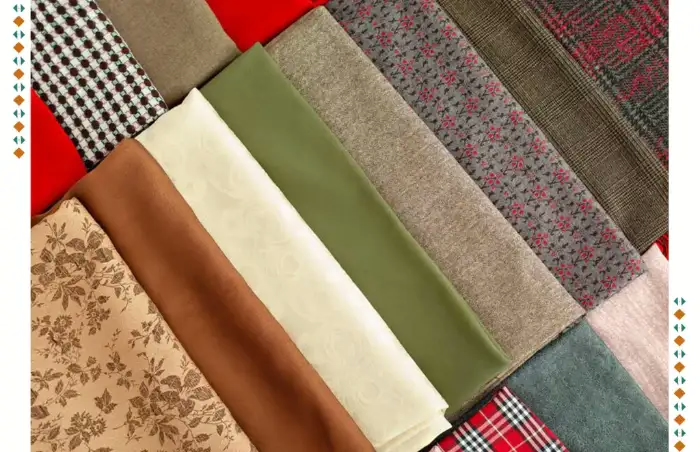
Gabardine fabric is renowned for its durability, water resistance, breathability, and professional appearance.
Durability: The dense twill weave makes gabardine strong and durable. It holds its shape even with heavy use and many washes. Helps lower replacement costs for uniforms and coats.
Water Resistance: Its tight weave causes water to bead and roll off, ideal for raincoats and protective clothing. While not completely waterproof on its own, gabardine can be treated to improve its repellency even further. This ability shields your team and products from light rain and moisture. It also ensures comfort remains intact.
Breathability: Unlike synthetic fabrics, gabardine allows moderate airflow. Whether your staff is moving between indoor and outdoor settings or during transitional seasons, gabardine performs well by preventing overheating.
Wrinkle Resistance: Gabardine keeps its crisp, smooth finish. Reduces ironing and helps uniforms and formalwear look polished all day.
Climate Suitability: Best for cooler climates, its windproof and heat-retaining properties suit autumn/winter. For warm climates, you can choose lighter blends or cotton. The classic gabardine isn’t favored in hot weather because it keeps heat in.
Types of Gabardine

Choosing the right type of gabardine fabric can greatly impact the quality, comfort, and appearance of your products. Each type offers unique benefits to suit different needs and settings.
Wool Gabardine
Wool gabardine stands out with its heavier weight and luxurious feel. It hangs elegantly and keeps you warm. Makes it a top choice for high-end suits, tailored jackets, and outerwear. You’ll love its durability and natural wrinkle resistance. Keeps your clothes looking sharp and polished for a long time. This fabric is excellent for achieving a formal and durable finish. Reflects quality and sophistication.
Cotton Gabardine
If you value breathability and comfort, cotton gabardine is a great choice. It’s light and soft, allowing air to flow freely. This style is common in summer clothes, like trousers, dresses, and uniforms. It also includes kids’ wear. Cotton gabardine holds dye well, so it supports vibrant colors. It stays crisp even after many wears and washes. Its robustness means you get reliable workwear fabrics that balances everyday ease with strength.
Polyester Gabardine
For a cost-effective and low-maintenance solution, polyester gabardine is an excellent choice. It resists shrinking and fading and cleans up easily in the wash. Perfect for uniforms, schoolwear, and value business clothing that see frequent use. Often blended with natural fibers, it provides you with extra toughness while still maintaining comfort. Its easy care and affordability help keep production efficient.
Blended Gabardine
Blended gabardine fabrics offer tailored performance. They combine fibers like wool-polyester or cotton-polyester. These blends bring stretch, moisture management, and enhanced durability. You can find options with Lycra for flexibility or blends designed to be more eco-friendly. With blended gabardine, you can customize fabric features for your needs.
Uses and Applications of Gabardine Fabric

Its strength, polished look, and durability make it a top choice when you need materials that perform well and look professional.
Tailored Apparel and Fashion
Gabardine is perfect for tailored clothing like suits, trousers, and coats. It holds a crisp, sharp shape all day, so garments stay neat and wrinkle-free. You can rely on it whether you’re creating business wear or uniforms. Wool gabardine offers classic warmth and luxury, ideal for premium suits. Polyester blends offer easy-care, machine-washable uniforms. They stand up to frequent washing and keep their color and fit.
Gabardine also works great for women’s and men’s fashion, including structured skirts, dresses, and blazers. Its ability to work in both warm and cool seasons lets you provide collections that attract customers all year. You can find stretch gabardine options with elastane or spandex fabric. These are great for fitted, modern designs that need extra flexibility.
Uniforms and Workwear
For hospitality uniforms and workwear, gabardine is a reliable choice because of its wrinkle resistance and toughness. It stays fitted and looks good, even with daily heavy use. Cuts down on how often you need to replace it. This durability saves costs and supports long-lasting uniform programs.
Functional Outerwear
Gabardine’s tightly woven structure gives it a natural water resistance. It excels in trench coats, rain jackets, and other work jackets designed to face unpredictable weather. Your customers will love lightweight garments that protect against rain and wind. Boosts satisfaction and adds value.
Accessories and Home Furnishings
Beyond clothing, gabardine’s durable texture works well for hats, caps, and even shoes. Ensuring consistent quality across your accessory lines. It’s less common, but it’s also used in curtains and cushion covers. Here, durability is important for maintaining appearance and shape.
Expert Point: Gabardine bridges the gap between ‘dressy’ and ‘durable’ like no other fabric. For seasonal collections, its adaptability—retaining polish in winter layers or transitioning to spring with lighter weaves—lets designers create versatile pieces that feel both investment-worthy and everyday-ready.
Why Choose Gabardine Fabric for Your Business?

Gabardine fabric offers you a smart combination of cost savings and durability. When you buy gabardine in bulk, prices drop a lot. You can save 20-30% per yard compared to smaller orders. Helps you keep production costs low and protect your profits even if raw material prices rise.
Durable Fabric That Lasts
Gabardine’s strong twill weave means your products won’t wear out quickly. Though it may cost between $15 and $30 per yard, the fabric’s longevity reduces the need for frequent replacements. This durability leads to lower long-term costs and makes returns or repairs easier to handle.
Support Sustainability Goals
Gabardine’s long lifecycle also means you create less waste over time. Opting for blends like recycled polyester or organic cotton helps you meet eco-friendly standards your customers appreciate. When you choose these materials, you demonstrate your commitment to sustainability. Strengthen your brand’s reputation and draw in more eco-conscious customers.
Vibrant Colors and Design Flexibility
Especially with polyester gabardine, the fabric holds dyes beautifully. You get bright colors and clear prints that last. Gabardine is perfect for embroidery, pleats, and custom designs. Allows you to create stylish and eye-catching items. Its excellent shape retention means your products look consistent—batch after batch—reducing defects and waste.
Versatility Across Product Lines
From jackets and uniforms to skirts and outerwear, gabardine fits a wide range of applications. Choosing it means your products will look sharp and perform effectively. Improves customer satisfaction and builds loyalty over time. To take that loyalty even further, you can use tools like ReferralCandy to reward customers for spreading the word and turn satisfied buyers into brand advocates.
In summary, gabardine fabric provides cost-effectiveness, durability, and sustainable options. Its design versatility is also a plus. These qualities help your products shine while managing expenses.
Pro Point: While Gabardine’s upfront cost per yard may seem higher than basic cotton, its cost per wearis unmatched. A 25gabardinejacketthatlasts5yearsoutperformsa15 jacket that frays in 12 months.—businesses save more in replacements than they spend upfront. It’s a classic example of ‘invest now, profit later’ in textile economics.
Ulisses Jensen, Textile Industry
Disadvantages of Gabardine Fabric
When you work with gabardine fabric, be aware of some important drawbacks. Considering these can help you make the best choice for your projects.
Limited Draping Ability
Gabardine features a stiff structure and a distinctive twill weave. This means it does not flow or drape softly like some other fabrics. If your design calls for a fluid, lightweight look, gabardine might leave you with a more structured and rigid appearance. It’s simply not the best option when a graceful fall of fabric is needed.
Care and Maintenance Challenges
Ironing gabardine requires caution. Using too much heat or pressure can cause shiny spots or press marks, especially on darker colors. These marks are tough to remove and can make the fabric look worn. To avoid damage, always use a pressing cloth and a low iron setting.
Additionally, wool gabardine usually demands dry cleaning. Home washing risks shrinking or damaging the fabric’s texture. While some synthetic blends may handle machine washing, you must check care labels carefully. This means more upkeep effort and potentially higher cleaning costs over time.
Sourcing Gabardine Fabric: What Businesses Need to Know

When sourcing gabardine fabric, picking the right supplier matters. This choice influences quality, cost, and order size. You have several options depending on your business needs:
- Fabric mills make lots of raw or finished gabardine. They often need high minimum order quantities (MOQs). This option suits you if you plan regular, bulk purchases.
- Converters specialize in dyeing and finishing plain fabrics. They allow for smaller, customized orders, ideal when you want specific colors or treatments.
- Jobbers sell surplus or leftover stock with low MOQs. This works well if you need limited quantities but know the stock may not be repeatable later.
- Wholesale distributors provide local stock and fast delivery, but the selection may be limited.
- Online Marketplaces like Alibaba or Fibre2Fashion give you access to global suppliers. Here, you can check prices, ask for samples, and negotiate directly. It’s ideal for sourcing competitively and finding one-of-a-kind options.
Regional Sourcing Insights
You can source gabardine fabric globally with trusted examples such as:
- In the USA, suppliers such as FabricDirect in New York and Ryc Fabrics in Texas offer high-quality gabardine for professionals.
- In India, you’ll find competitive prices, for instance, gabardine suiting at INR 130–191 per meter. Companies such as AYUSHMAN SURAT TEXTILE and Sky Walk International offer various fiber blends and weights.
- Bursa, Turkey, is famous for its skilled labor and quality gabardine. It’s a top spot for anyone seeking excellent textile standards, whether for exporting or local needs.
Market Trends & Consumer Demand

The global fabric market is growing fast, expected to rise from $139 billion in 2024 to over $203 billion by 2029. Gabardine fabric is a key player in this growth, thanks to its polished look and strong durability. US retailers boosted their use of gabardine by 12% in 2025. This shows its growing popularity for fashion and uniforms.
Sustainability Is No Longer Optional
Buyers are demanding eco-friendly options. Gabardine made from organic cotton, recycled polyester, or traceable wool meets this need perfectly. Prioritizing suppliers with certifications and transparent supply chains can give you a competitive edge.
Technology Improves Quality and Speed
Automation, AI, and digital textile printing are transforming production. You get faster turnaround times and steady fabric quality. Plus, you can order smaller, customizable batches that match quick fashion trends.
What End Users Want
Consumers now expect wrinkle resistance, exceptional durability, and a polished texture in gabardine fabrics. They value breathability and fast delivery. Flexible minimum order quantities are important, especially for workwear and formal clothing.
Regional and Competitive Landscape
Asia, especially China and India, is growing fast. But North America and Europe are still important markets. Emerging Asian suppliers often have competitive prices and scalable production. So, it’s crucial to choose a supplier that balances quality and cost.
Quality Assurance Matters
Seek gabardine with tight weaves and a smooth feel. It should be the right weight for any season. Don’t forget to look for third-party certifications. Responsive sampling and customization services help ensure the fabric fits your project needs perfectly.
People Also Ask About Gabardine Fabric
1. How should gabardine fabric be cared for?
Gabardine requires gentle washing and low-heat ironing to maintain its texture and avoid shine, ensuring longevity for uniforms.
2. How does Gabardine compare to cotton twill?
Gabardine’s tighter weave and often higher wool/cotton blends make it more durable, abrasion-resistant, and water-repellent than standard cotton twill. It also holds creases better, ideal for structured uniforms or tailored garments.
3. What GSM (grams per square meter) ranges are typical for Gabardine?
Lightweight Gabardine (280–350 GSM) works for spring/fall uniforms or blazers. Mid-weight (350–450 GSM) suits daily workwear (e.g., cargo pants, jackets). Heavy-duty options (450–600 GSM) are reserved for industrial gear or extreme weather use.
4. How long does Gabardine last in high-wear environments (e.g., construction sites)?
With proper care, heavy-duty Gabardine (450+ GSM) can last 2–3x longer than standard workwear fabrics. Its abrasion resistance withstands daily friction from tools, equipment, or rough surfaces, making it a cost-effective choice for demanding industries.
Conclusion
Reassessing your uniform fabric strategy? Gabardine offers durability, low maintenance, and a sharp look. This could transform your industrial uniform line. Boost client satisfaction, lower replacement costs, and keep your brand polished.
Why settle for fabrics that fray when you can partner with uniform experts who deliver? LeelineWork crafts custom Gabardine industrial uniforms tailored to your specific needs—from heavy-duty workwear to sleek corporate fleets. With transparent supply chains and a focus on innovation, we ensure your uniforms are tough enough for the job andimpressive enough to win repeat business. Get in touch today—let’s stitch your success into every seam.