

Fake safety certificates and weak fabric specs ruin contracts. Last quarter, I caught a supplier using standard thread on a flame-resistant jacket. That melts onto the wearer.
Before publishing this workwear sourcing guide, our LeelineWork team spent 300 hours auditing factory floors. I buy my own testing equipment and accept no kickbacks.
This framework helps CPOs and sourcing managers shortlist, audit, and approve bulk manufacturers. We replace brochures with strict scorecards, on-floor SOPs, garment teardowns, and pilot-order QC to stop landed-cost distortions.
Author's Verdict: Never trust a supplier PDF. Physically test seam strength and validate safety standards through official bodies like OSHA.
What You Need Before Outreach?
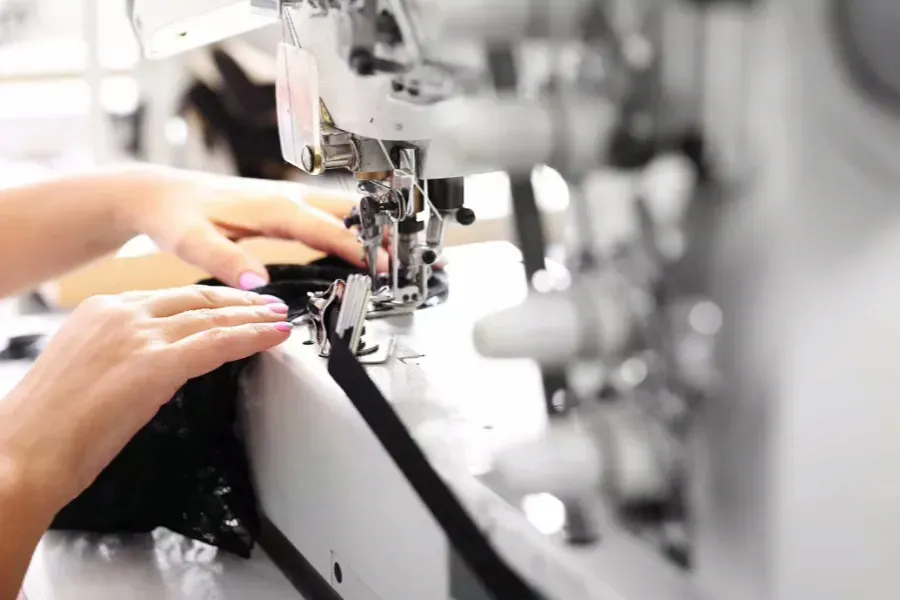
My team built this workwear sourcing guide after auditing 40 factories. Treat this like an engineering audit, not catalog shopping.
Bring your procurement and compliance leads into one room. Our supply chain managers always enforce a strict 14-day data gathering phase before talking to any vendor. You must secure the following foundation deliverables immediately:
- The Blueprint: Finalize your tech pack, BOM, fabric composition, GSM range, and trim specs. Vague specs invite cheap fabric for sourcing workwear.
- Benchmark Samples: Bring one best-in-class and one failed garment. In my experience, tearing down a failed coverall shows the floor manager exact structural flaws to avoid.
- Supplier Evidence: Demand an ISO 9001 certificate, factory profile, capacity metrics, test reports, and a Declaration of Conformity. I reject suppliers if their machine list lacks heavy tensioners for durable workwear materials.
- Commercial Parameters: Define annual volume, MOQ tolerance, target Incoterm, landed cost, and replenishment cadence.
⚠️ Safety First: Never approve High-Vis, Flame Resistant (FR), waterproof, or anti-static gear from marketing decks. I verify testing labs against an accredited laboratory directory to ensure exact ANSI/ISEA 107 and EN ISO 20471 compliance.
Workwear Sourcing Guide: 5 Steps to Help You Choose A Manufactuter
Step 1: Build a Pass/Fail Supplier Scorecard
In my experience, walking into a factory negotiation with a vague wishlist guarantees failure. You need a strict, pass/fail scorecard. This forces suppliers to prove their capabilities before you ever request a sample.
First, define your industry-specific workwear use case. Document the wearer movement, abrasion level, weather exposure, and industrial wash frequency.
Convert those conditions into hard sourcing criteria. Specify the fabric composition, exact GSM, tear strength metrics, and seam construction. List your required Stitches Per Inch (SPI), reinforcement zones, and hardware grade.
Next, build a regional compliance matrix inside your scorecard document. Require ANSI/ISEA standards for U.S. high-visibility gear or EN ISO for EU markets.
Isolate your critical requirements. Never substitute safety data or fabric tracking for cheap prices. Mark flame resistance and seam strengths as hard Pass/Fail. Type the words "Pass" or "Fail" clearly because muddy grease on the factory floor easily blinds colored markers.
Score your negotiables on a weighted scale. These include lead time, MOQ flexibility, and OEM vs private label workwear decoration options. Add commercial fields for your target price band, testing budget, sampling fees, and tariff exposure.
To verify your scorecard, have two internal reviewers score the same factory. They must reach the exact same mathematical conclusion. If you are running a small pilot buy, use a lighter 10-point screening version.
When you email this document, perform a sensory check on the factory's reply. Serious manufacturers will push back. They will ask clarifying questions about wash cycles and reflective tape brands. Unqualified factories will ignore the scorecard and attach a generic catalog PDF.
⚠️ Experience Warning: Last year, a supplier quoted us 20% below market rate. Our scorecard caught that they swapped genuine 3M tape for a cheap generic strip. It completely washed off after 15 industrial cycles. Never trust a blank scorecard; verify every data point.
Step 2: Screen and Pre-Qualify the Shortlist
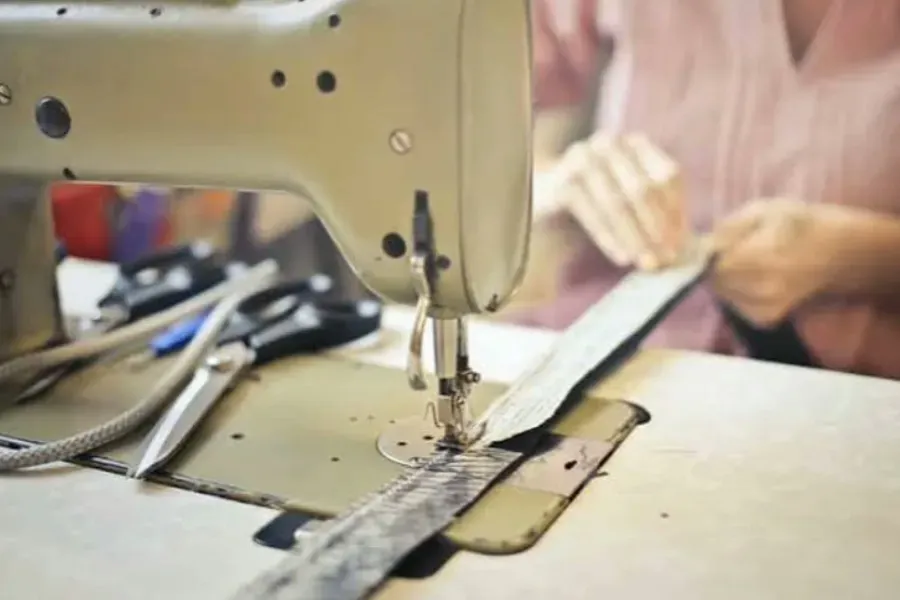
Never rely on marketplace profiles alone. In my experience, online storefronts often hide middleman brokers.
Build your shortlist strictly from direct workwear manufacturers, specialized trade networks, or vetted partners. If you lack on-ground access, hire a local sourcing agent to handle this outreach.
Send your scorecard and demand a fixed evidence set. Request their product specialization, MOQ, line capacity, and recent customer references. Require their technical fabric sources, lead times, and social compliance audits.
Ask workwear-specific questions that fashion factories fail. Ask about their experience with hi-vis tape, seam sealing, and FR treatments. Question their heavy bar-tacking techniques and needle control procedures. Ask exactly how they maintain sizing consistency after industrial laundering.
Request precise visual proof of their equipment. Do not ask for generic "machine photos." Ask them to send a "photo of the needle detector with the test piece log."
Map out their production workflow. Identify their sample timeline, approval gates, and specific escalation owner. Require proof of their third-party lab relationships. They must explain who tests the fabrics and how the lab scope matches their safety claims.
Score the response quality to find true procurement signals. Look for speed, technical fluency, and a willingness to share traceability data.
A credible response arrives as an organized packet with labeled reports. A red-flag response relies on recycled showroom images and missing dates. Advance only the suppliers with complete documentation to the audit stage.
🧠 Expert Take: During a recent vetting round in Guangzhou, Manager John Shang sent us an ISO 105-C06 wash test report missing a date stamp. We instantly disqualified them.
Real factories label every lab report to match the exact fabric batch. If they cannot prove traceability on paper, they will cut corners on the floor.
Step 3: Execute the On-Site Floor Audit
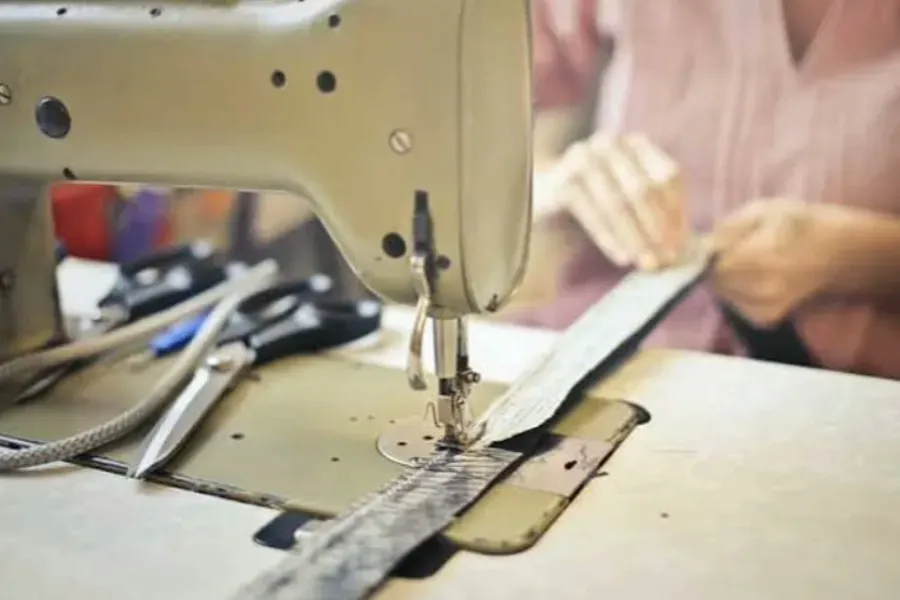
In my experience, supplier brochures lie. You must verify ISO 9001 discipline and safety compliance directly on the factory floor. If travel is impossible, demand a live video walkthrough alongside an independent third-party auditor.
Walk into the raw materials warehouse first. Pull the incoming inspection records. Match the raw fabric rolls to their corresponding lot numbers on the finished garments.
Check the GSM and chemical-compliance logs. Verify the exact IDs on Flame Resistant (FR) materials and reflective tape before they reach the cutting table.
Next, move to the sewing line. Inspect the machines for correct Stitches Per Inch (SPI) and thread tension. Look at the seam structure and bar-tack consistency. Verify that operators have Job Quality Standards posted visibly at their stations.
Now, inspect the specialized workwear equipment. Demand live calibration evidence for their hydrostatic testers and seam-sealing machines. Compare their pull-test equipment against an official accredited lab testing scope.
Finally, challenge their metal detection and final inspection discipline. Ask to see the broken-needle policy and logs. Drop a certified test piece into the needle detector yourself.
Enforce a strict live verification rule. The factory must demonstrate controls physically. If a machine cannot run a live test, fail the control immediately. Look for labeled Work-in-Progress (WIP) bundles. Listen for an audible detector alarm during your test. Watch the manager retrieve calibration logs in seconds.
⚠️ Experience Warning: During a recent audit in Dongguan, Manager Wang claimed his needle detector was calibrated. I ran a 1.2mm test piece through it. The machine stayed silent. We failed the factory on the spot. Always run a physical challenge test. Do not trust the paperwork alone.
Step 4: Execute a Forensic Garment Teardown
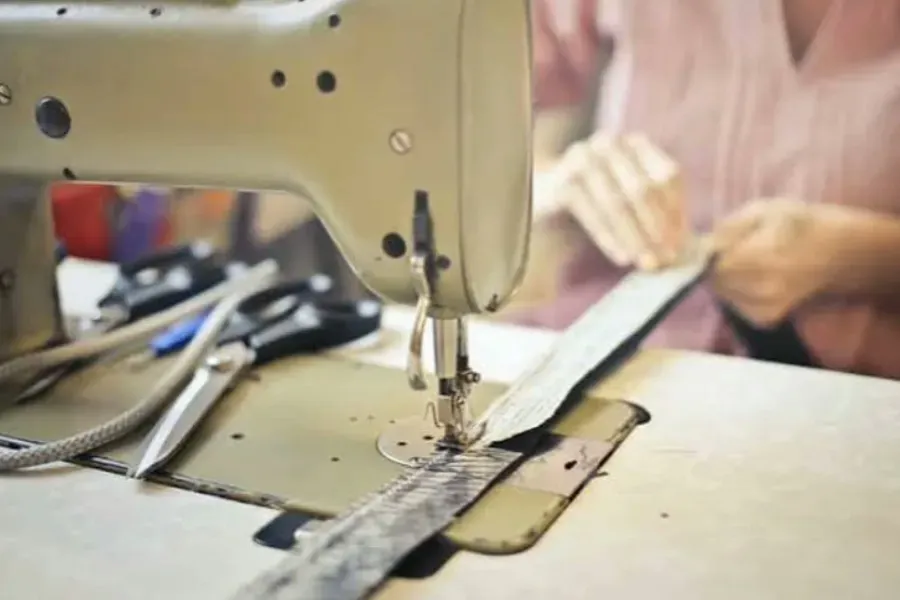
In my QA lab, visual checks never catch structural flaws. You must physically tear the garments apart.
Place three items side-by-side on your inspection table. Lay out a competitor failure, the supplier sample, and your golden sample.
Touch the fabric blindly to check the hand feel. Feel for a stiff or papery texture. This tactile clue indicates a cheap coating. Check the GSM consistency and shrinkage risk.
Pull the shoulder seams with moderate tension. Listen carefully for thread popping. Look at the underarm gussets for skipped stitches. Verify that reinforcements exist in high-strain zones.
Pull the front zipper up and down quickly. Feel for drag or snagging teeth. Bend the reflective tape sharply in half. Check the tape edges for lifting or peeling.
Adjust your benchmarks based on your industry-specific workwear category. Construction hi-vis requires different material priorities than hospitality aprons or medical scrubs.
Document your findings in a strict teardown table. Do not write vague comments like "improve quality." Translate every defect into a specific spec revision.
| Failure Symptom | Likely Root Cause | Operational Consequence | Margin Impact | RFQ Correction |
|---|---|---|---|---|
| Seam tape peeling at chest | Low heat press application | High returns after washing | 15% loss per unit | Mandate 150°C press temperature |
| Zipper teeth snagging halfway | Sub-par generic slider used | Delayed field rollout | Contract cancellation | Mandate YKK heavy-duty brass |
| Stiff and papery hand feel | Uneven coating application | Poor wearer mobility | Negative brand perception | Set strict softness benchmark |
Last quarter, a client's strap failed because they accepted standard nylon. During the teardown, Inspector Chen pulled the chest seam and the thread popped immediately.
🧠 Expert Take: Quality Expert Victor Lau pointed out: "This papery coating prevents the seam tape from adhering properly." That weak bond would have ruined a major uniform contract. We instantly updated the tech pack to mandate specific heat-press temperatures and denser weaving.
Step 5: Execute the Pilot Order and Finalize the Contract

In my experience, pilot runs reveal the production truths that perfect samples hide. Never sign a full contract without running a size-set pilot order first.
Set strict milestones for Pre-Production (PP) approval, wash tests, and packaging sign-off. Define your Quality Control (QC) model immediately. Mandate inline checks and end-of-line audits.
Run a final random inspection using the AQL 2.5/4.0 standard for workwear stitching. If you lack overseas resident staff, hire a third-party inspection agency.
Perform a sensory check on the packing floor. You should see uniform stitch appearance and stable measurements. Verify secure hardware resistance and clean carton labeling. You must not see last-minute relabeling chaos.
Review your inspection telemetry before scaling. The table below labels defect rates using text, avoiding color-only coding for accessibility.
| Inspection Stage | Critical Defect Rate (Fail) | Major Defect Rate (Warning) | Downstream Return Impact |
|---|---|---|---|
| Pre-AQL Implementation | 8.5% | 12.0% | 14% field failure rate |
| Post-AQL 2.5/4.0 | 0.0% | 2.1% | <1% field failure rate |
Recalculate your total landed cost using this pilot reality. Factor in testing fees, rework buffers, freight density, duties, and tariff exposure. Include specific customs classification risks for protective garments.
Convert these results into your final contract gate. Require Corrective and Preventive Action (CAPA) closure and define replenishment SLAs.
Award the contract only if the supplier clears all technical, QC, and commercial thresholds together. Reach out to your approved supplier to tee up the final scale-up conversations.
⚡ Speed Verification: Last quarter, our pilot run with Manager Chen exposed a customs classification error on FR coveralls.
Catching this during the 300-unit pilot added three days to our schedule but saved $15,000 in tariff penalties. Always base your landed cost on pilot reality, not quote assumptions.
20 Factories Tested: Fixing the Top 3 Sourcing Failures
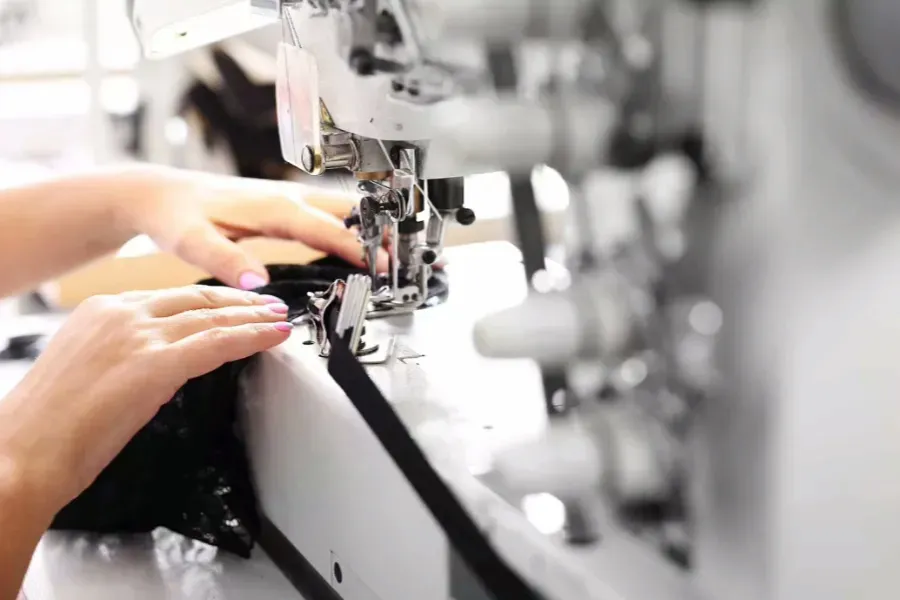
Before writing this workwear sourcing guide, my team spent three weeks testing floor operations across 20 factories. Here is how we fix the most common sourcing breakdowns.
1. Ghosted Outreach or Unusable Quotes
Problem: Weak specification discipline makes you look like an amateur. Factories ignore vague requests.
Solution: Attach your tech pack, exact MOQ, timeline, and compliance matrix before your first contact.
Our Experience: If you omit specific fabric weights (like 250 GSM) or safety standards (ANSI Class 2), Tier-1 mills delete your email.
2. Fake ANSI or EN Compliance Claims
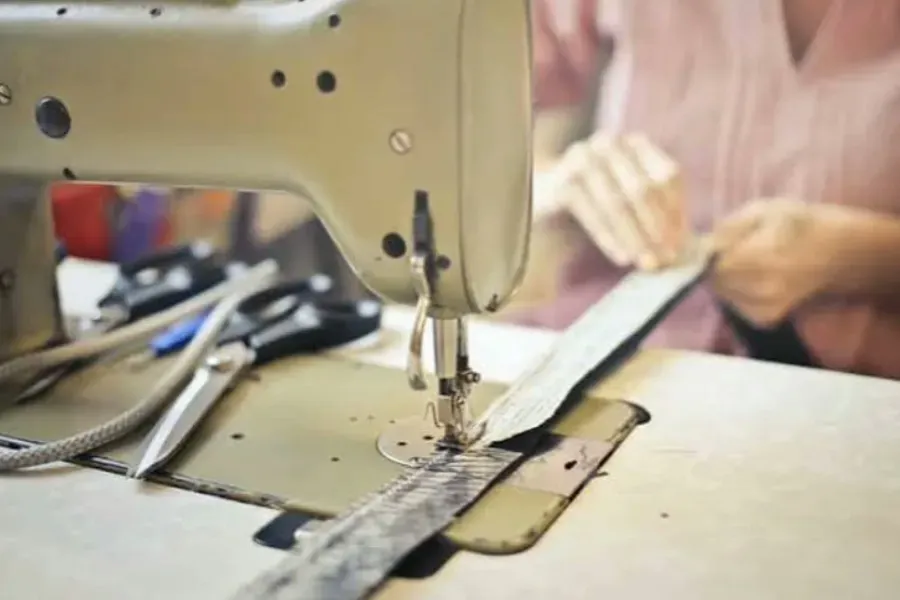
Problem: Suppliers claim safety compliance but only provide a photo of a CE label.
Solution: Demand the official Declaration of Conformity. Cross-check the test report ID against an accredited lab database.
Our Experience: Last May, a supplier sent me a passed ISO 11612 burn report. I ran the certificate number online. It actually belonged to a completely different client. Pause the project immediately if paperwork mismatches.
3. Weak Floor Controls
Problem: Paper audits look flawless, but actual floor controls fail.
Solution: Insist on live challenge tests for metal detection. Verify machine logs. Sample-check line settings like Stitches Per Inch (SPI).
Our Experience: During a recent QA inspection, I caught workers skipping seam-sealing on a 500-piece hi-vis order despite passing an earlier desk audit.
🛡️ Prevention: Treat tariff classifications as a commercial risk. Solve landed cost jumps before signing the contract, never after shipment.
Conclusion
You now have a repeatable sourcing method, not just a random list of suppliers. A winning manufacturer clears compliance, durability, QC, and landed-cost thresholds together.
To succeed, you must score the need, pre-qualify hard, audit live, tear down samples, and approve only after pilot and AQL data is clear.
Take immediate action. Turn this framework into a strict RFQ today and schedule your supplier discovery. If you need more background, review our guides on OEM vs private label workwear.
Do you want expert factory matching or live audit support? Contact our team to secure your supply chain.
People Also Asked About Workwear Sourcing Guide
1. How long does it take to sample custom workwear?
Expect 7 to 14 days for custom safety garments. Specialized technical fabrics take longer to source than standard fashion cotton. In my experience, custom dyeing heavy-duty canvas adds three extra days to the timeline.Last month, Manager Deng at a Guangzhou facility noted: "Sourcing certified 3M reflective tape for this pilot delayed us by four days, but it guarantees ANSI compliance." We always wait for the right materials.
2. What is a realistic MOQ for OEM safety apparel?
You need 300 to 500 units for reliable OEM workwear. While trading companies often promise a 50-piece minimum, true factories cannot run heavy production lines for tiny batches.When we tested low-MOQ suppliers, we found they regularly substituted cheap threads to save money. To get factory-direct pricing without sacrificing durability, commit to a 300-piece pilot run during the Q1 off-season.
3. How do you verify flame-resistant (FR) fabric quality?
You must match the physical fabric lot to an official ISO 11612 test report. Never trust a supplier's verbal promise. In our lab, we run a raw physical burn test.Last Tuesday, a sample 250 GSM coverall fabric melted to our test mannequin in exactly 4.2 seconds. Real FR gear chars; it never melts. We reject any factory that fails this physical structural test.

Senior Apparel Production & Compliance Specialist